

Cats love heat. But it shouldn’t come as a surprise that too much heat can be just as dangerous for your pets as it is for you. While more common in dogs, heat exhaustion and even heat stroke in cats is a real concern in the summer, particularly with certain kitties. Find out what the signs are and how to cool down a cat during these hot months.
First, how do cats sweat?
 obese cats are more likely to suffer heat stroke. Cats with underlying medical conditions such as heart disease, kidney disease, and asthma are also at an increased risk.
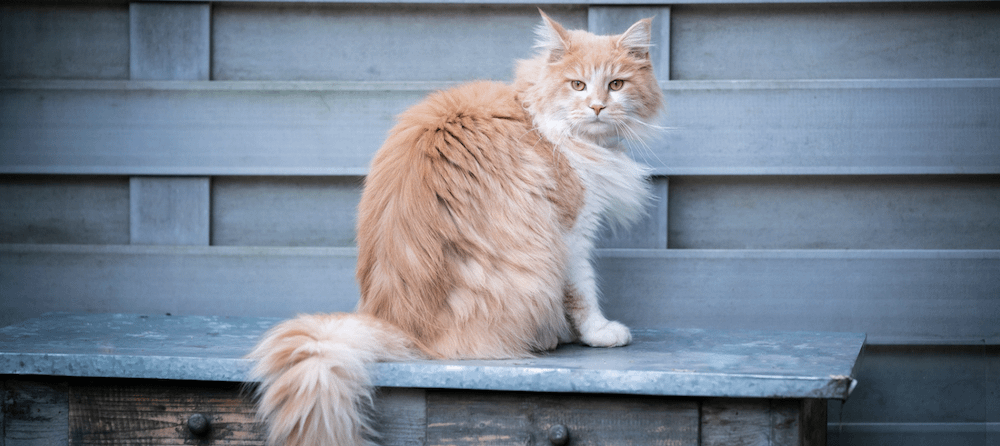
Furthermore, flat-faced breeds (brachycephalics) such as Persians, Himalayans, Scottish Folds, and British Shorthairs have respiratory systems that contribute to these issues. Finally, long-haired cats and cats with dark fur are more likely to overheat due to their insulating coats.
Signs of heat exhaustion or heat stroke
The early signs that your cat may be experiencing distress from heat include:
- Restless behavior
- Slight panting
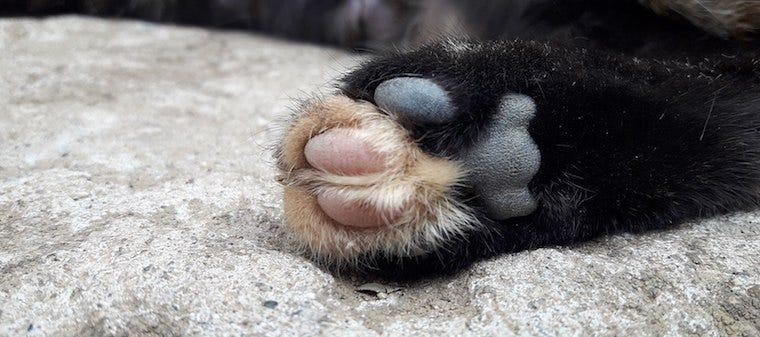
- Sweaty paws
- Drooling
- Excessive grooming

Once you know the likely causes of heat stroke in cats, you can work backward to prevent them:
- Place fresh, cool water throughout the house.
- Keep your cat indoors on hot days—and if this isn’t possible, make sure they have access to plenty of cool water outside and shaded or temperature-controlled areas.
- Always check the clothes dryer to make sure your cat isn’t inside.
- Frequently check outdoor sheds, sunrooms, or other confined spaces where your cat could be trapped.
- Never leave your cat inside a parked car without air conditioning.
- If your cat is in a cage, avoid putting them in direct sunlight for too long.
With these practical tips in mind, preventing heat stroke in cats isn’t too challenging. But if you ever suspect your cat might be having a bad reaction to the heat, make sure to contact your veterinarian or local animal hospital right away.