
Giving your cat medicine at home sounds straightforward until you're standing in a pharmacy aisle wondering if the children's version is okay, or Googling whether dogs and cats can share flea treatment. (Hint: they can't! More on that below.)
This guide covers which cat medicines are safe to give at home, which over-the-counter options actually work, what requires a prescription, and how to actually get your cat to take it.
In this article
- Before You Give Any Cat Medicine
- Cat Medicine Chart: Over-the-Counter vs. Prescription
- Cat Allergy Medicine
- Cat Flea Medicine
- Cat Tapeworm Medicine and Cat Worm Medicine
- What Needs a Vet Diagnosis
- Why Flea Control Matters for Tapeworms
- Metamucil for Cats: Is Plain Psyllium Husk Safe?
- Ronidazole for Cats
- How to Give a Cat a Pill
- How to Give a Cat Liquid Medicine
- When to Call the Vet Right Away
Before You Give Any Cat Medicine
Let’s talk about a few things that matter before anything else.
Cats are not small dogs, and they're not small humans either.
Their livers process medications differently than most other species, which means drugs that are safe for people or dogs can be genuinely dangerous, and sometimes fatal, for cats. Acetaminophen (Tylenol) is an important example. Even a small dose can cause life-threatening red blood cell damage in cats. Ibuprofen, aspirin, and most other over-the-counter pain relievers are also off the table because they’re unsafe in cats.
Dosage matters too and it's almost always weight-dependent. A medication that's appropriate for a 12 pound cat may be too much for a 6 pound cat. Never eyeball it, and never assume the human or dog dose translates.
One other consideration is your cat’s age. For example, neonate kittens are not developed enough to take many medications that could be safe for adult cats.
Before giving your cat anything, even something labeled as safe, it's worth knowing which common medications are toxic to cats so you're not caught off guard.
Cat Medicine Chart: Over-the-Counter vs. Prescription
|
Medication |
OTC or Rx |
Notes |
|
Benadryl (diphenhydramine) |
OTC |
Antihistamine; Weight-based dosing; avoid formulas with other active ingredients |
|
Cerenia (maropitant) |
Rx |
Anti-nausea; prescription only |
|
Capstar (nitenpyram) |
OTC |
Fast-acting flea pill; short duration |
|
Revolution, Bravecto, Credelio |
Rx |
Prescription flea/parasite prevention |
|
Praziquantel (tapeworm) |
OTC and Rx |
Some OTC options available; Rx needed for full deworming |
|
Pyrantel pamoate (roundworm) |
OTC |
Limited use; vet diagnosis recommended first |
|
Metamucil (plain psyllium husk) |
OTC |
Fiber for constipation; specific dosing only |
|
Ronidazole |
Rx |
Prescription only; not a DIY medication; Limited use |
|
Gabapentin |
Rx |
Prescription only; used for pain and anxiety |
|
Antibiotics |
Rx |
Always prescription; never use leftover human antibiotics |
These vary depending on which country you reside in. When in doubt, call your vet before giving anything. A quick call saves a lot of trouble.
Cat Allergy Medicine
Benadryl for Cats
Benadryl, the active ingredient diphenhydramine, is one of the few over-the-counter antihistamines considered relatively safe for cats when used correctly. It's most commonly used for mild allergic reactions, insect stings, or as a mild sedative for travel.
How much Benadryl can you give a cat? The standard dosing guideline is about 1 mg per kilogram of body weight, given every eight hours as needed. The challenge is that most Benadryl tablets come in 25 mg, far more than a cat needs. It also has a bitter taste. Liquid children's formulas are easier to dose accurately, but check the label carefully. You want plain diphenhydramine only. Avoid anything that contains decongestants, alcohol, or xylitol.
Benadryl won't do much for cats with chronic environmental or food allergies. Those need a proper diagnosis and a long-term management plan. It's also not always appropriate for cats with glaucoma, urinary issues, or certain heart conditions. If you're not sure whether it's safe for your cat, ask before giving it.
If sneezing is the main symptom you're trying to address, this article on what to give a cat for sneezing is worth reading first. The root cause is most important to identify before treating.
Cat Flea Medicine
Over-the-Counter vs. Prescription Flea Medicine for Cats
There are over-the-counter flea options for cats, and they're not all equal. Capstar (nitenpyram) is a fast-acting oral tablet that kills adult fleas within hours. It's safe, effective, and available without a prescription. The catch is that it doesn't last. It's a good option for a quick knockdown, not a prevention strategy. Fleas could come back the next day or two.
Prescription flea preventatives like Revolution, Bravecto, and Credelio offer broader, longer-lasting protection and often cover additional parasites like ear mites, heartworm, and intestinal worms depending on the product. If your cat goes outside or lives with other pets, a prescription product is usually the better choice.
Why Dog Flea Medicine Is Dangerous
Never use a dog flea product on a cat. Many dog flea medications contain permethrin, a pyrethroid insecticide that cats can’t metabolize. Permethrin toxicity in cats is serious and can be fatal. It doesn't matter if the dose seems small. Keep dog flea products away from cats entirely, including during application on your dog. Cats that groom dogs or sleep with them can be exposed secondhand.
When Fleas Mean You Also Need Worm Treatment
If your cat has fleas, there's a reasonable chance they also have tapeworms. Cats get tapeworms by ingesting infected fleas during grooming. It's one of the most common routes of transmission and easy to miss because cats are efficient groomers. If you're treating for fleas, check for tapeworms at the same time. They’re often visible near the rectum and look like tiny rice granules.
More detail on both topics: the best flea and tick medicine for cats and how to get rid of fleas in the house.
Cat Tapeworm Medicine and Cat Worm Medicine
What You Can Buy OTC
Praziquantel is the active ingredient in most tapeworm treatments and is available over the counter in some formulations. Bayer Tapeworm Dewormer for cats is a common example. It works specifically against tapeworms and is generally safe when dosed correctly by weight.
What Needs a Vet Diagnosis
Here's the problem with deworming on your own: different worms require different medications. Praziquantel treats tapeworms but does nothing for roundworms or hookworms. Pyrantel pamoate covers roundworms and hookworms but not tapeworms. If you're not sure what you're dealing with, you may treat for the wrong thing entirely.
A fecal test from your vet identifies exactly what's present and lets you treat it specifically. It's faster and more effective than guessing. It can also guide your vet in which long-term preventive medications to prescribe.
Why Flea Control Matters for Tapeworms
Treating tapeworms without addressing fleas is a temporary fix. Your cat will likely reinfect themselves by ingesting fleas. Flea control and worm treatment need to happen together. For a full breakdown, this guide to worms in cats covers the different types and what to do about each.
Metamucil for Cats: Is Plain Psyllium Husk Safe?
Plain psyllium fiber, the active ingredient in unflavored Metamucil, is sometimes recommended for cats with mild digestive or hairball issues. The key word is plain. Flavored Metamucil products contain artificial sweeteners and additives that aren't safe for cats.
A commonly cited starting dose is about 1/4 teaspoon mixed into wet food once daily, but confirm this with your vet before starting, especially if your cat has any underlying health conditions.
Fiber helps move things along, but it's not a solution for a cat who has a more serious cause of diarrhea or who has a history of chronic constipation. If your cat hasn't had a bowel movement in more than 48 hours, is straining without producing anything, or seems uncomfortable, that's a vet visit, not a fiber supplement situation.
How to deal with chronic cat constipation and how long a cat can go without pooping are both useful reads if this is an ongoing issue.
Ronidazole for Cats
Ronidazole is a prescription antiprotozoal medication used to treat Tritrichomonas foetus, a parasitic infection that causes chronic large bowel diarrhea in cats, particularly in young cats or those from multi-cat environments like shelters or catteries.
It is prescription-only for good reason. Ronidazole has a narrow therapeutic window, meaning the difference between an effective dose and a toxic one is smaller than with many other medications. Neurological side effects including tremors and ataxia can occur if the dose is too high or the medication is given for too long. This is not something to source online and administer without veterinary oversight.
If your cat has persistent diarrhea that hasn't responded to other treatment, ask your vet about testing for Tritrichomonas specifically. It requires a particular type of fecal PCR test and is often missed on routine fecal exams. This article on chronic vomiting and GI symptoms has useful context.
How to Give a Cat a Pill
Pill Pockets for Cats and Hiding Meds in Food
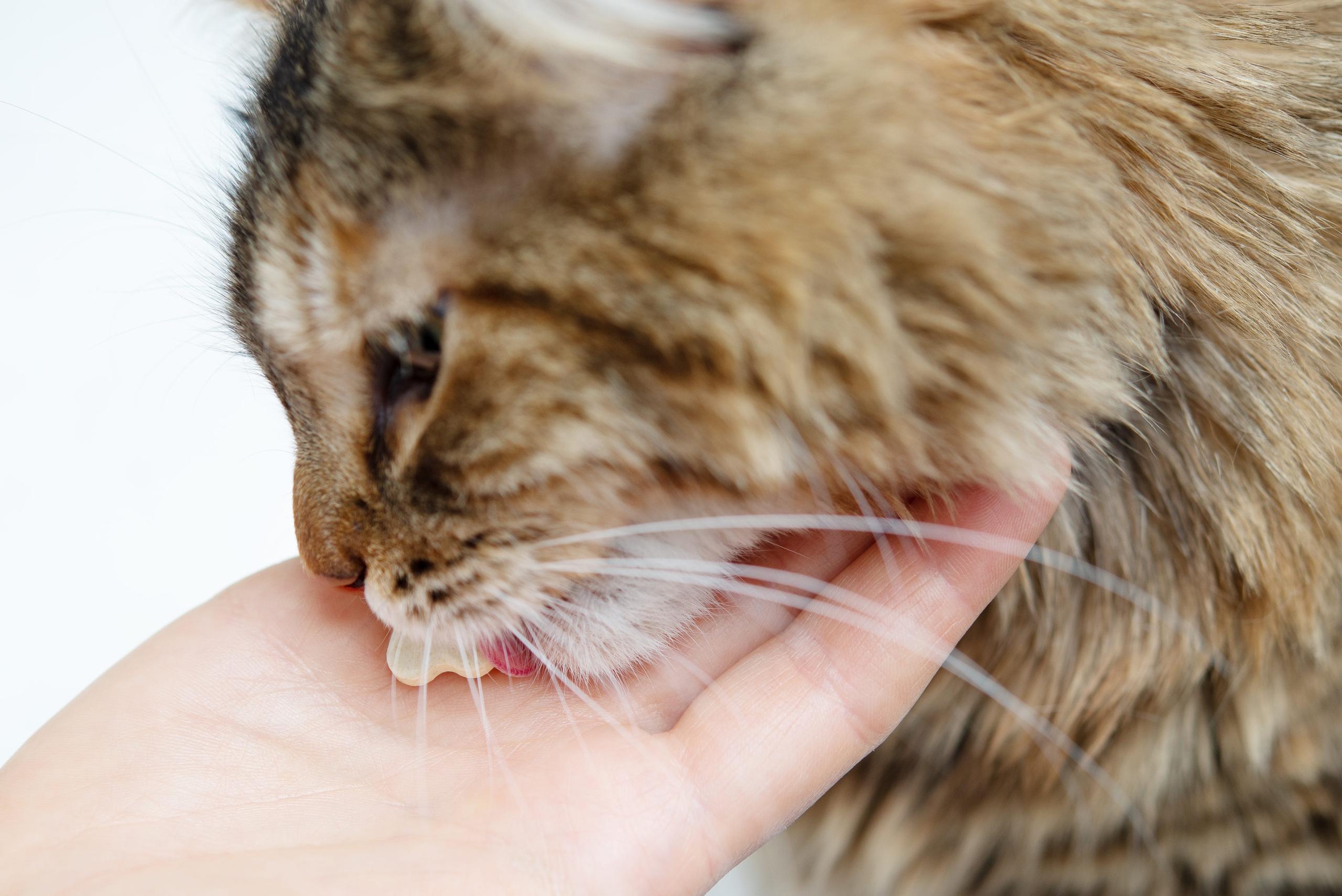
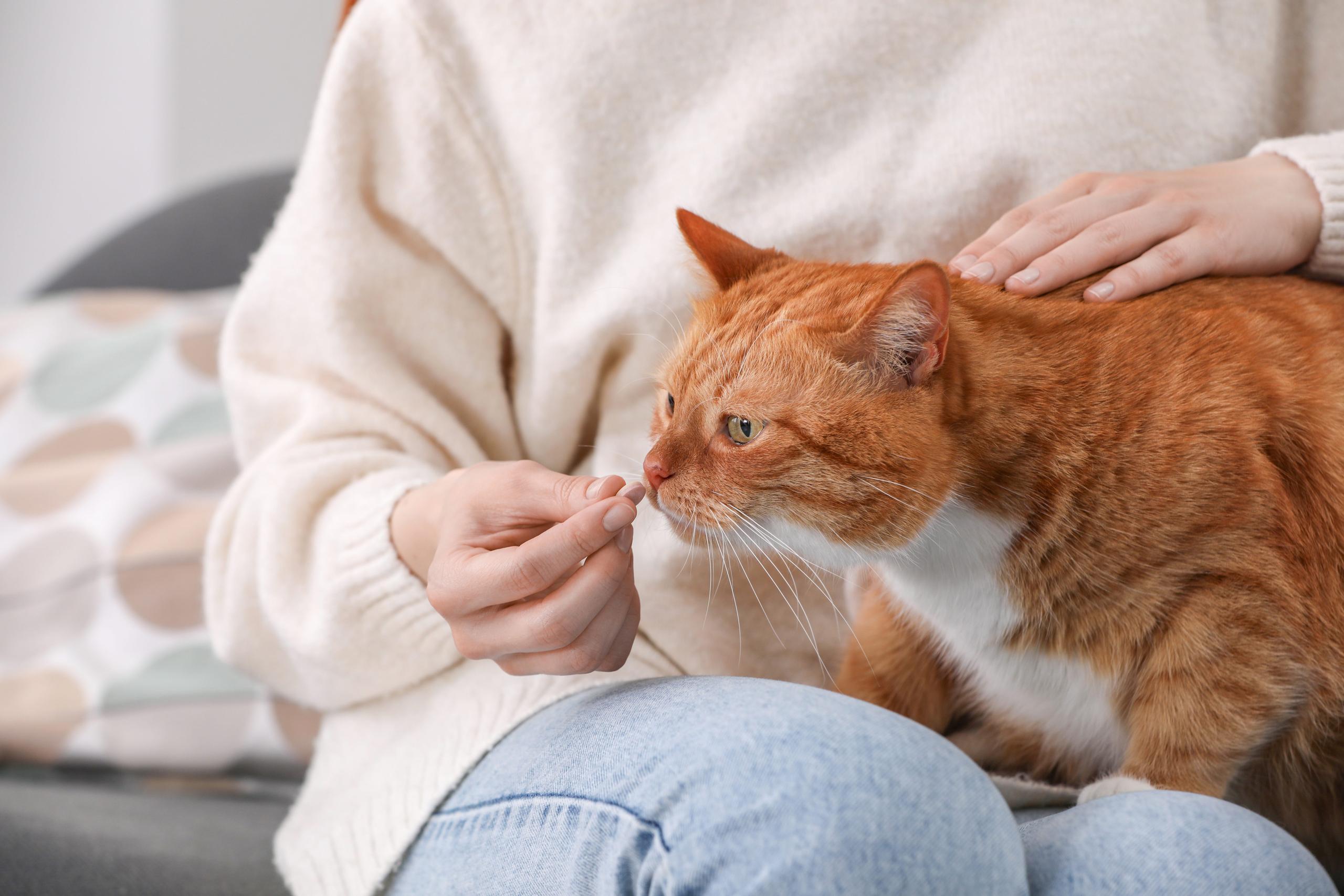
Pill pockets, the soft treats designed to wrap around a tablet or capsule, work well for many cats and make the process easier for everyone. Greenies Pill Pockets are the most widely available. A small amount of soft food, a piece of turkey, or a Churu treat squeezed around the pill works just as well. Sometimes wet food or canned tuna juice can mask the smell and taste of pills as well.
The trick is to give a plain treat first, then the treat with the pill, then another plain treat immediately after. It keeps your cat engaged and less suspicious.
Direct Pilling
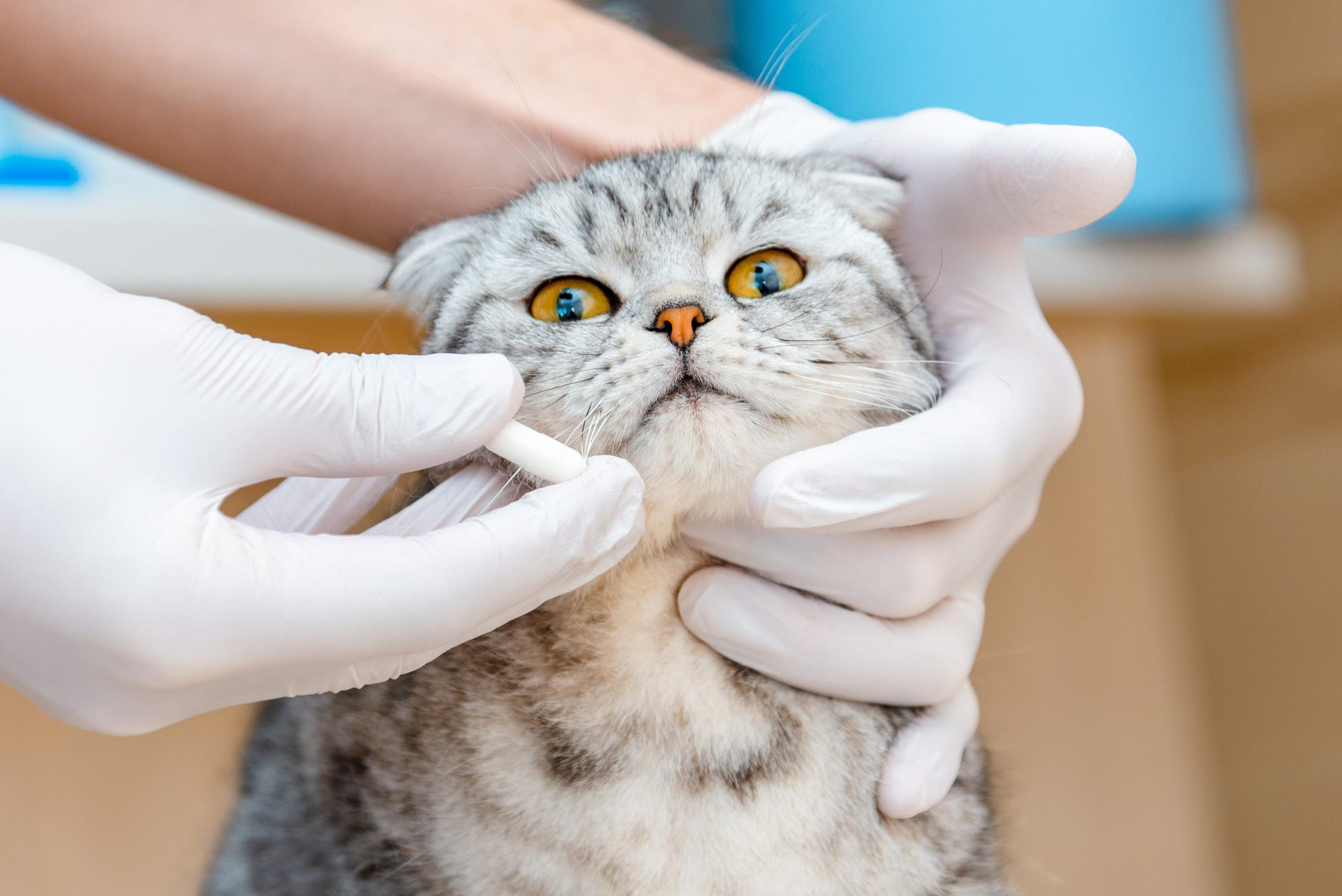
If your cat has figured out the food trick, direct pilling is the backup. Hold your cat securely, ideally wrapped in a towel if they're wiggly. Tilt their head back gently to open the mouth, place the pill as far back on the tongue as you can, close the mouth, and stroke the throat or blow gently on the nose to encourage swallowing. Follow immediately with a small syringe of water to make sure the pill doesn't sit in the esophagus. But be sure to ask your vet or vet tech to show you how to do this and not cause choking or aspiration.
Stay calm. Cats read tension fast, and a tense owner makes a tense cat.
Getting a Cat to Swallow Safely
Always follow a pill with water or a small amount of wet food. Dry-pilling, giving a tablet without any liquid, can cause esophageal irritation or in some cases esophageal stricture. It's an avoidable complication worth knowing about.
How to Give a Cat Liquid Medicine
Syringe Method
Draw the medication into the syringe and approach from the side of the mouth, not straight on. Slide the tip into the gap between the cheek and the back teeth and deposit the liquid slowly in small amounts. Give your cat a moment to swallow between squirts. Going too fast leads to sputtering, spitting, and a cat who won't let you near them tomorrow.
Mixing with Food
Some liquid medications can be mixed into a small amount of wet food. Check with your vet or pharmacist first. Not all medications are stable in food, and some lose effectiveness if mixed. If mixing is allowed, use a small enough portion that you can confirm your cat ate the whole dose.
If Your Cat Spits Out the Liquid Medicine
Try again with a smaller amount at a time. If a significant amount came back out, let your vet know. They can advise whether a partial dose is okay or if you need to re-administer. Some medications can be compounded into a transdermal gel applied to the ear flap if oral dosing consistently fails.
When to Call the Vet Right Away
If your cat shows any of the following after receiving medication, don't wait:
- Vomiting, especially repeated
- Tremors, twitching, or loss of coordination
- Difficulty breathing or open-mouth breathing
- Extreme lethargy or collapse
- Excessive drooling
These can be signs of a toxic reaction, an overdose, or a wrong product given in error. If you suspect your cat got into something they shouldn't have, call your vet or ASPCA Animal Poison Control (888-426-4435) immediately. Time matters.
The bottom line: some things are safe to handle at home, and some things aren't. When you're not sure, a quick call to your vet is always faster than dealing with the consequences of getting it wrong.