


In Collaboration with Truth Initiative
If you or someone you live with smokes or vapes, please keep in mind that it’s not just two-legged folks in your household who are harmfully exposed. Cats, dogs, birds, and small pets are all exposed to what lingers in a home, and because of how cats groom, they may ingest more of it.
The good news is that a few practical changes make a real difference. Quitting, which is the biggest change you can make, helps every living thing in your home at once.
In this article
- Secondhand smoke vs. thirdhand smoke
- Why cats are especially vulnerable
- What secondhand smoke does to cats
- Is vaping around cats bad?
- Can cats get high from secondhand cannabis smoke?
- Nicotine and cannabis products cats can swallow
- Signs of nicotine poisoning in cats
- What about dogs, birds, and small pets?
- Prevent your pets from being exposed
- Quitting helps your cat, too
- Frequently asked questions
Secondhand smoke vs. thirdhand smoke
These two terms get used interchangeably, but they describe different exposures, and both matter for pets.
By now we’re all very familiar with the dangers posed by secondhand smoke. Secondhand smoke refers to any smoke that is inhaled by non-smokers in the vicinity. According to the CDC, 2.5 million non-smokers have died from health problems caused by exposure to secondhand smoke since 1964. In children, exposure to secondhand smoke is attributed to ear infections, asthma attacks, respiratory infections, and more. In adults, secondhand smoke can cause heart disease, lung cancer, and stroke.
Thirdhand smoke is smoke residue that attaches to indoor surfaces like furniture, carpets, and walls. This residue builds up over time, and can’t be eliminated by simply airing out the room or opening windows. Thirdhand smoke is especially problematic in households with infants, young children, and pets, who are more likely to mouth objects and touch affected surfaces.
Why cats are especially vulnerable
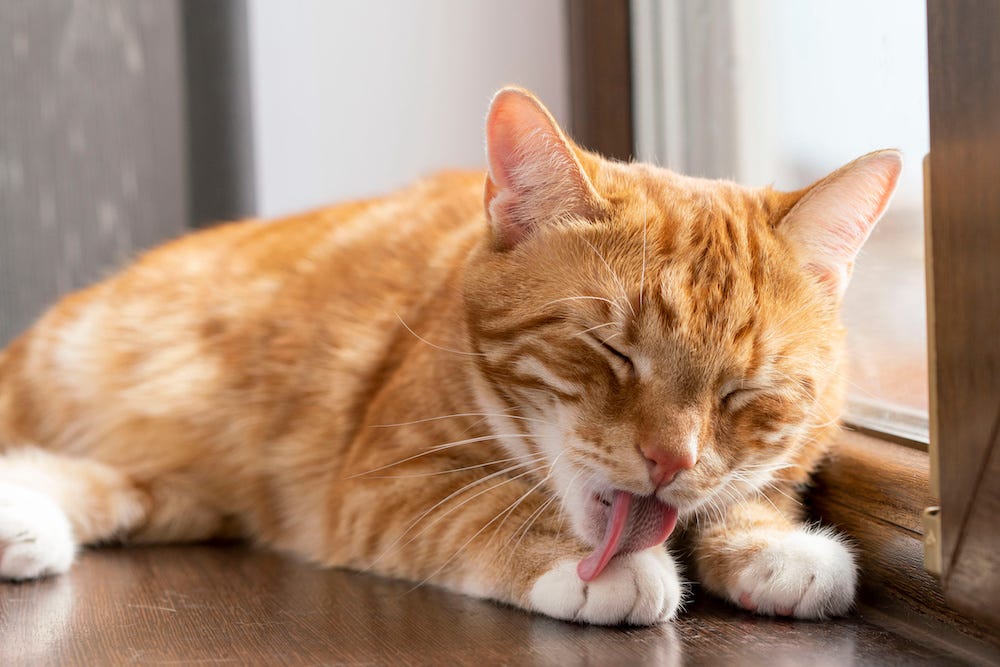
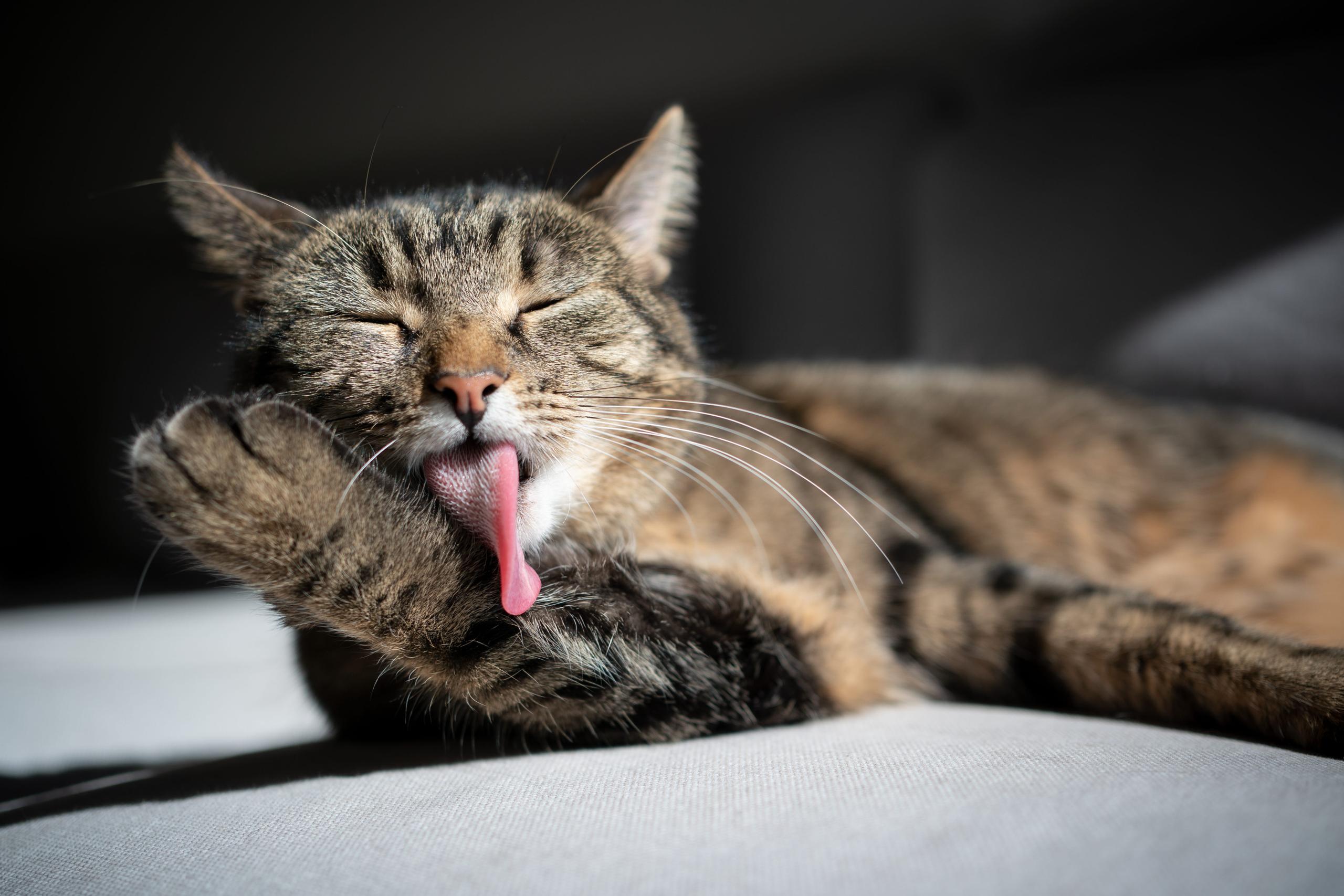
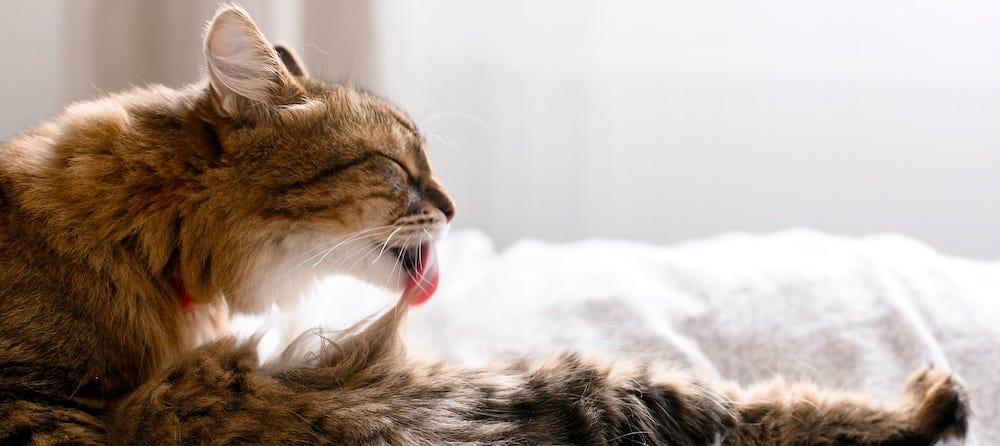
Cats are fastidious groomers. A cat living in a smoking household is much more likely to have thirdhand smoke residue all over their coat and paws, which they swallow every time they groom themselves. Over months and years of your cat ingesting the residue off their own fur, that repeated exposure can have a real impact.
What secondhand smoke does to cats
The FDA provides an in-depth look at the specific harm secondhand and thirdhand smoke may cause different species. For cats, the findings are sobering:
- Cats living in smoking households have a two- to four-times increased risk of developing an aggressive mouth cancer called oral squamous cell carcinoma. Fewer than 10% of cats survive a year after diagnosis.
- Cats that live with someone who smokes more than one pack a day have three times the risk of developing lymphoma, a cancer of the immune system.
- Smoke is a respiratory irritant, so cats who already have asthma or other breathing issues can see their symptoms worsen. If your cat has started breathing heavily, coughing, or wheezing, smoke in the home is worth mentioning to your vet.
Is vaping around cats bad?
A lot of pet parents may assume vaping isn’t a problem for air quality in their house like cigarettes. Unfortunately, vape aerosol isn't clean air, either.
E-cigarette aerosols can carry toxic metals and carcinogenic molecules, along with added flavorings that enter a pet's body easily, especially when someone vapes indoors, in the car, or in any enclosed space. According to the Pet Poison Helpline, vape aerosol can also irritate an animal's airway and cause wheezing, coughing, and trouble breathing.
There's a second problem that's unique to vaping: the devices themselves can be appealing to cats. Vapes are often sweet or fruity smelling, small enough to bat off a counter, and easy to chew. A cat who gets hold of a pod, cartridge, or bottle of nicotine liquid is at risk of nicotine poisoning and possible injury from chewed plastic, glass, or battery components that can irritate the mouth and digestive tract or create a choking hazard.
Can cats get high from secondhand cannabis smoke?
Cats can absolutely be affected by secondhand cannabis smoke, and they react to THC differently than people do. Cornell's College of Veterinary Medicine notes that pets are considerably more sensitive to small amounts than humans are, which means an exposure that would barely register for a person can genuinely make a cat sick.
A cat who has inhaled cannabis smoke or swallowed a cannabis product may show:
- Lethargy or unusual sleepiness
- Wobbling, stumbling, or loss of coordination
- Dribbling urine or loss of bladder control
- Dilated pupils, sensitivity to light, or a glazed, unresponsive look
- Vomiting, low body temperature, or a slowed heart rate in more serious cases
It’s also important to note that packaging that's childproof is not necessarily cat-proof, and an edible delivers a far larger dose than ambient smoke. If your cat gets into one, call your vet or an animal poison control line right away.
Nicotine and cannabis products cats can swallow
Products left out around the house, the car, or the yard are an ingestion risk for a curious cat. The items that most often cause trouble include:
- Cigarette butts
- Vape pods, cartridges, and bottled nicotine liquid
- Smokeless tobacco such as chew, dip, or snuff
- Nicotine pouches
- Nicotine gum and patches
- Cannabis edibles, tinctures, concentrates, joints, and tablets
Nicotine is genuinely potent in small amounts. There is no antidote for nicotine poisoning, which makes prevention incredibly important. It's the same principle behind keeping toxic houseplants and other common household poisons out of reach.
Signs of nicotine poisoning in cats
Symptoms can often appear within 15 to 30 minutes. Watch for:
- Vomiting, drooling, or diarrhea
- Agitation, restlessness, or weakness
- Tremors, stumbling, or loss of coordination
- Elevated heart rate or breathing rate
- Seizures, collapse, or cardiac arrest in severe cases
If you suspect your cat has swallowed nicotine or is showing any of these signs, contact your veterinarian immediately. Don't wait for symptoms to worsen, and don't try to treat it at home.
What about dogs, birds, and small pets?
Cats aren't the only ones affected, and households rarely have just one kind of pet.
Dogs
Secondhand smoke is the bane of dogs living in a smoking household. Dogs that already have asthma or respiratory issues will experience worsening symptoms after inhaling secondhand smoke. The risk for cancer is also increased, depending on the dog breed:
-
Long-nosed dog breeds like Greyhounds, Borzois, and Doberman Pinschers that are exposed to tobacco smoke have a doubled risk of nose cancer.
-
Short- and medium-nosed breeds like Pugs, Bulldogs, and Beagles have a higher risk of lung cancer.
Birds
Birds are extraordinarily sensitive to anything airborne because their respiratory systems move air through the body far more efficiently than mammals do, so irritants reach them quickly, even at low levels. They also groom or “preen” themselves like cats. Therefore, pet birds that live in a smoking household can develop irritated sinuses, pneumonia, allergies, lung cancer, feather plucking, heart problems, and more.
Guinea pigs
Guinea pigs exposed to secondhand smoke have an increased risk of developing emphysema, pulmonary hypertension, and decreased weight gain due to toxic effects on their metabolism. There’s a fair chance that hamsters, gerbils, and other “pocket pets” will experience these same issues when around smoke.
Reptiles and amphibians
Reptiles typically live in enclosures with limited airflow, so smoke and residue can linger and settle on bedding and water dishes. Amphibians are especially vulnerable because their skin absorbs substances from the environment.
Fish
Finally, even pet fish can experience the harmful effects of secondhand and thirdhand smoke. How? Nicotine dissolves easily in water; it can eventually end up in a fish tank’s water and poison the fish inside it.
Prevent your pets from being exposed
If you must keep your pet in a household where someone smokes or vapes, please take care to prevent them from exposure. A few tips include the following:
- Never smoke or vape around your pets.
- Smoke or vape outside; never smoke or vape in your house, garage, or car.
- Wash your hands after smoking or vaping and before you touch your pet.
- Store everything securely; keep cigarettes, vapes, cartridges, nicotine liquid, pouches, gum, patches, and cannabis products latched away and well out of reach. Secure your trash cans, too.
- Clean more than you think you need to; wipe down hard surfaces, wash bedding and blankets regularly, and replace pet beds and pillows that have had long exposure.
- Bathe your pets regularly or wipe them down with a wet paper towel to remove smoke residue.
- Don’t let your pet sleep on your coat, clothes, or other items that have come in contact with smoke.
Quitting helps your cat, too
Quitting smoking or vaping has countless short- and long-term benefits for you, some of which begin almost immediately. What's easy to overlook is that your cat gets a smoke-free home out of it at the same time.
If you're thinking about quitting, EX Program by Truth Initiative is a free digital quit program developed with Mayo Clinic. It offers a customized quit plan, advice from researchers and specialists, personalized text message support, access to the country's most established online community of people quitting, and a savings calculator that shows exactly what you'd be keeping.
Your cat won't know you did it for them. But they'll be breathing easier either way.
Frequently asked questions
Is secondhand smoke bad for cats?
Yes. Cats in smoking households have a two- to four-times higher risk of aggressive mouth cancer, and cats living with someone who smokes more than a pack a day have triple the risk of lymphoma. Because cats groom constantly, they also swallow smoke residue that settles on their fur.
Is it safe to vape around cats?
No. Vape aerosol can contain toxic metals and carcinogens and can irritate a cat's airway, causing coughing, wheezing, and difficulty breathing. Vape pods and nicotine liquid are also a serious poisoning risk if a cat chews or swallows them.
Can cats get high from secondhand weed smoke?
Yes. Cats are more sensitive to THC than people are, and secondhand cannabis smoke can cause lethargy, loss of coordination, loss of bladder control, and vomiting. Contact your vet or animal poison control if you notice these signs.
What are the signs of nicotine poisoning in cats?
Vomiting, drooling, diarrhea, agitation, weakness, tremors, stumbling, a racing heart or breathing rate, and in severe cases seizures or collapse. Symptoms often appear within 15-30 minutes. Call the Pet Poison Helpline at 855-764-7661 or your vet immediately.
Does thirdhand smoke affect cats?
Yes, and cats are unusually exposed to it. Thirdhand smoke residue settles on fur, bedding, and furniture, and cats ingest it while grooming. Airing out a room does not remove it.
Sources:
- FDA
- UK BREATHE
- Pet Poison Helpline
- Riney Canine Health Center at the Cornell College of Veterinary Medicine
- UC Davis
Truth Initiative is a national nonprofit public health organization committed to a future free from lifelong addiction, fostering healthier lives and a more resilient nation. Its mission is to prevent youth and young adult nicotine addiction and empower quitting for all. Through its evidence-based, market-leading cessation intervention, EX® Program, and national public education campaigns, Truth Initiative leads the fight against youth and young adult tobacco use. Learn more at truthinitiative.org.
EX® Program is a proven-effective tobacco cessation program, developed by Truth Initiative with Mayo Clinic, that brings together the best evidence-based quitting approaches, interactive digital quitting programs, and the most established online quit community. EX Program has helped millions of youth and adults develop the skills and confidence on their journey to quit nicotine. Truth Initiative research has shown that EX Program text messages can increase the odds of quitting by up to 40%. To learn more, visit exprogram.com.