
Urinary issues are one of the most common things I see in cats, especially in the ER. And if you’ve ever had a cat with urinary problems, you know how stressful it can get.
One of the first questions I get is: “What’s the best cat food for urinary health?”
The answer is nuanced. Diet plays a meaningful role, but it’s not a cure-all. The goal is to support the urinary system, reduce risk, and catch problems early.
What urinary cat food actually does
Urinary cat food is designed to support the environment of the bladder and urine. It’s not magic, but it’s very helpful when used appropriately.
Here’s what it does:
1. Increases hydration
This is the biggest one. More water = more dilute urine = lower risk of crystal and grit accumulation and stone formation.
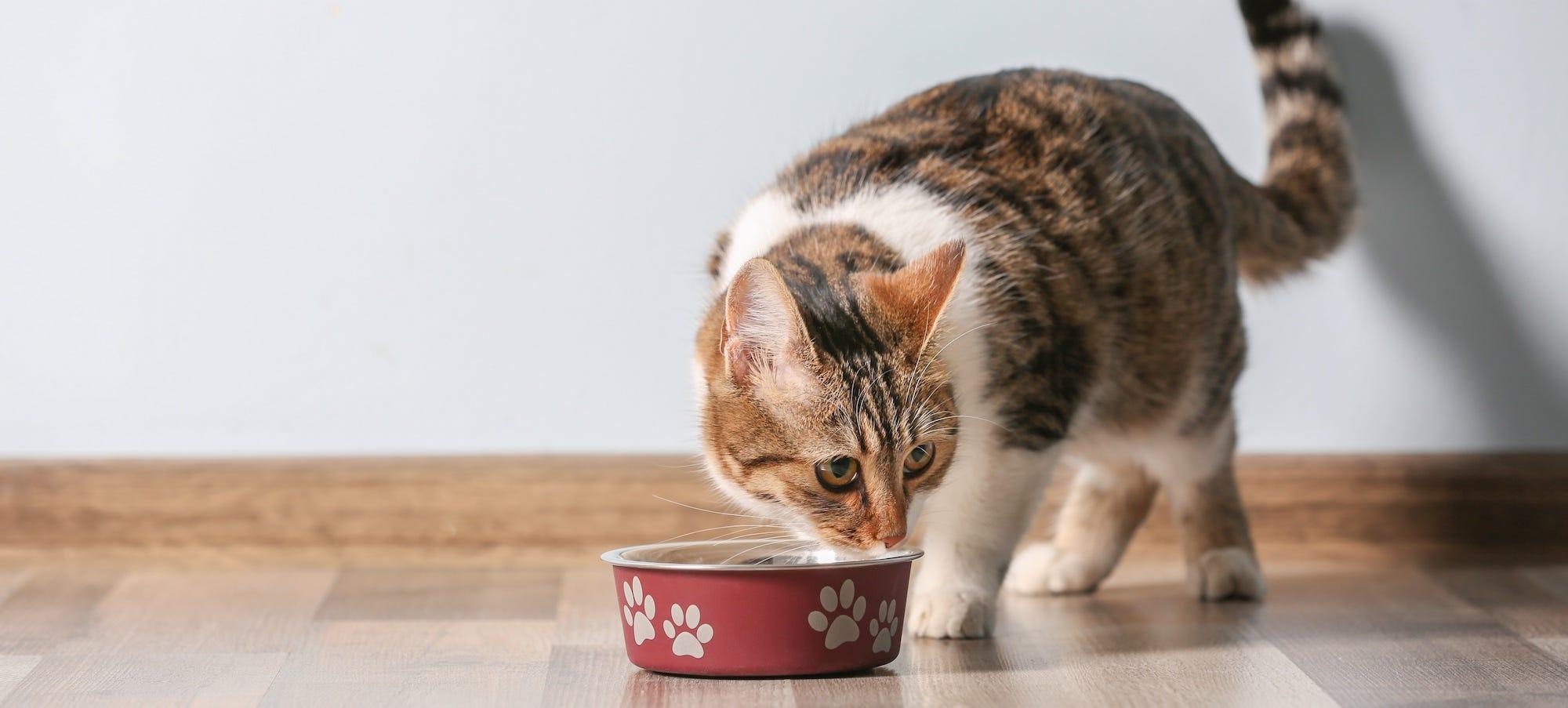
This is why wet food is often recommended, or why I’ll have clients add water to meals. Hydration is most important in urinary health.
2. Controls mineral precursors
Urinary diets are formulated to manage levels of minerals like magnesium, phosphorus, and calcium. These minerals can contribute to crystal formation. The goal is not to eliminate them, it’s to balance them appropriately.
3. Supports urine environment
Some diets are designed to balance urine pH depending on the condition. For example: if your cat has struvite crystals, they will often benefit from urine that is slightly more acidic. This is why diet should match the specific diagnosis from a veterinary urinalysis, not just the symptoms.
What urinary cat food can’t do
This part is just as important. Urinary diets are supportive, but they do not replace medical care.
They cannot:
- Treat a urinary obstruction (this is a life-threatening emergency)
- Replace a proper diagnosis via urinalysis
- Cure an active urinary tract infection
- Dissolve large urinary stones
When to see a vet (don’t wait)
Urinary issues can escalate quickly, especially in male cats due to their narrow urethra.
If you see:
- Straining in the litter box
- Crying while trying to urinate
- Blood in the urine
- Frequent trips with little or no output
These are all urgent matters that require veterinary attention.
If you’re unsure what’s normal vs not, these are helpful resources:
- How many times a day should a cat poop?
- Urinary blockage in cats: Signs & emergency treatment
- Cat keeps going to the litter box? Here's why
A blocked cat is a true emergency. Diet will not fix that.
What to look for on the label
Cat food marketing is incredibly confusing, so here’s what actually matters.
Moisture comes first
Higher moisture = better urinary support. Wet food is ideal. You can also add water to kibble.
Don’t chase “low ash”
This is outdated marketing and not recommended by veterinarians. Instead of focusing on “low ash,” think: Is this diet appropriate for my cat’s specific condition? Most likely, this needs to be a conversation between you and your veterinarian.
Mineral strategy should be intentional and diagnosis-driven, not generic. Otherwise, it can make the problem worse.
Your cat has to eat it
Palatability matters more than people think. Cats can be picky eaters. A perfect diet that your cat refuses to eat is useless. Also be sure it’s safe for your other cats if you have a multi-cat household and cannot separate their food.
Best cat food for urinary health
Best prescription urinary diets
These are my veterinary-recommended go-tos for many cases:
- Hill’s c/d
- Royal Canin Urinary SO
- Purina UR
These are specifically formulated by veterinary nutritionists for conditions like struvite crystals and are backed by significant amounts of clinical data. If your cat has been diagnosed with a urinary problem, like FLUTD or FIC, chances are that your vet will recommend one of these diets for life. They come in both wet and dry formulations.
Best non-prescription options
If prescription isn’t an option, look for:
- High moisture content
- High protein, moderate fat
- Minimal fillers
- High-quality veterinary nutritionist-recommended
Some solid over-the-counter options include:
- Purina Pro-Plan Urinary Tract Health
- Royal Canin Feline Urinary Care
- Hill’s Science Diet Urinary Hairball Control
These won’t actively dissolve crystals, but they can support hydration and overall urinary health, especially in wet formulations.
Best cat food for confirmed urinary crystals
If your cat has confirmed crystals, especially struvite, prescription diets are the safest and most effective option. Non-prescription foods can support hydration but won’t reliably manage or dissolve crystals. This can increase the risk of urinary obstruction.
Best cat food for kidney disease
This is where things get tricky because urinary diets and kidney diets are not the same. Kidney diets focus on:
- Lower phosphorus
- Controlled protein
- High moisture
Sometimes there’s overlap, but sometimes the goals conflict. If your cat has both urinary concerns and kidney disease confirmed by a veterinarian: they should always be on a vet-guided diet plan for life. Avoid trying to adjust minerals or pH on your own.
Home setups that support urinary health
Diet is part of the picture for overall urinary health. Your home setup matters more than you think.
Cats are very particular about their litter box. If they don’t like it, they may hold urine, which can contribute to urinary issues. They may not “like” their litter box if it’s dirty, in a high traffic area, or if other cats have used it.
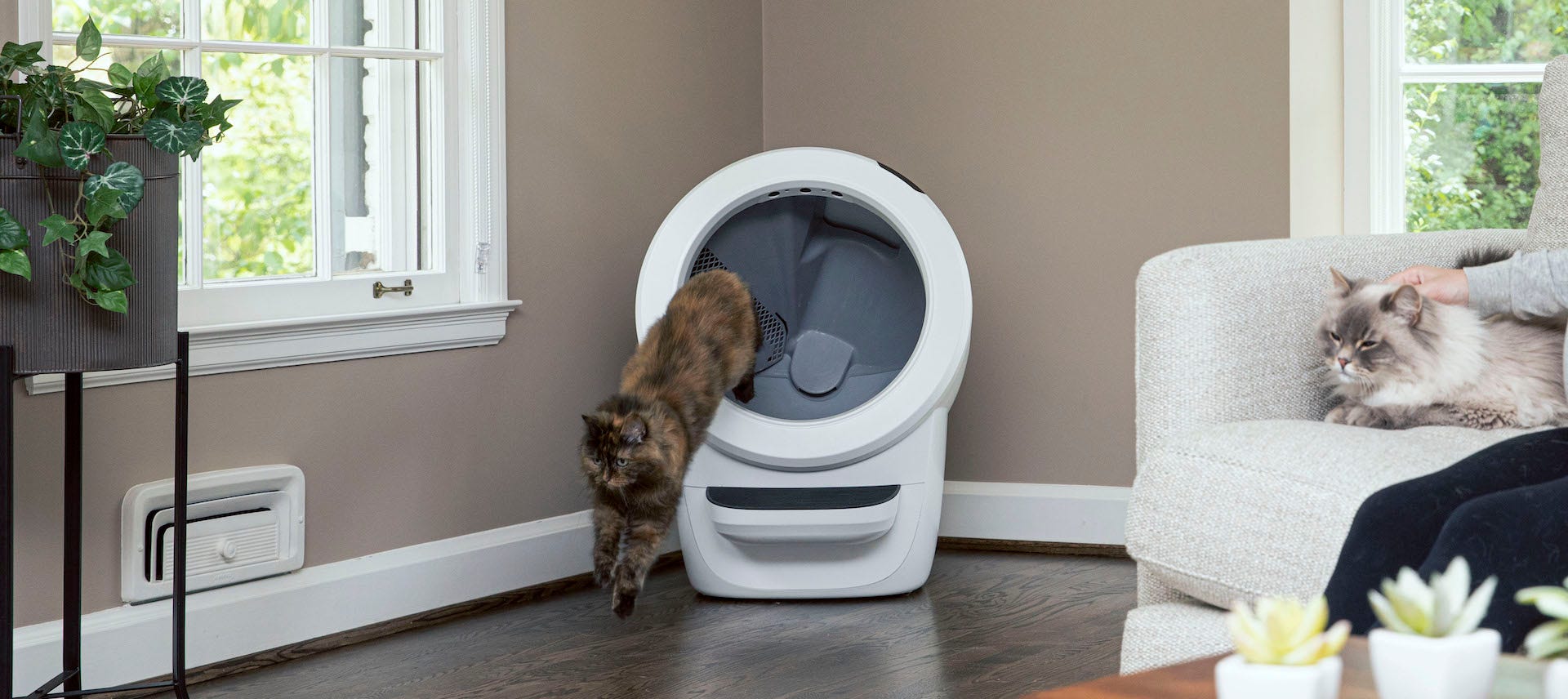
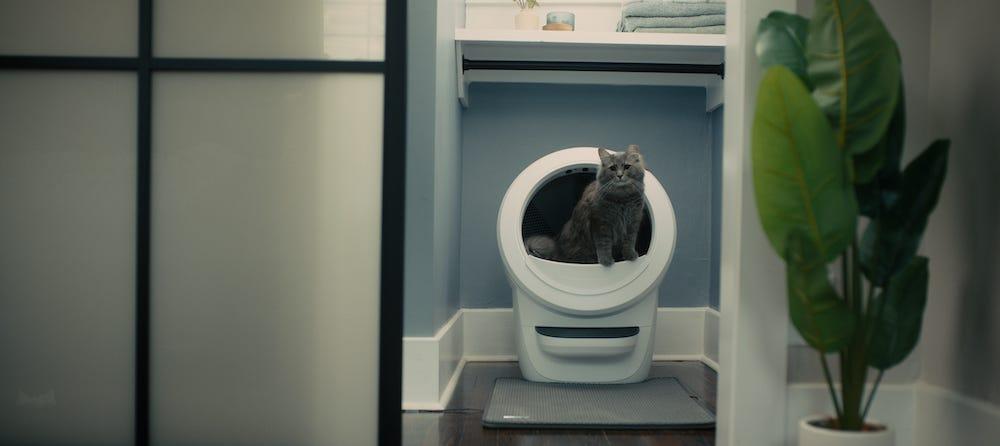
Keeping the litter box clean—by scooping daily or using a self-cleaning litter box—and accessible, and promoting a low-stress environment helps support normal habits and lets you catch changes early.
This is a great breakdown on why a clean litter box is essential to good cat health.
FAQ
Is wet food better for urinary health?
Yes, in most cases. More moisture = more dilute urine = lower risk of crystals, grit, and inflammation.
Wet vs dry food - do cats need wet food?
They don’t need it, but most cats benefit from it, especially for urinary health. If feeding dry, I almost always recommend adding water.
How can I increase my cat’s water intake?
- Add water to meals
- Use water fountains
- Place multiple water bowls around the house
- Flavor water with vet-approved options (like low-sodium broth)
Does “UTI cat food” cure a UTI?
No. UTIs (urinary tract infections) require medical treatment with antibiotics. Diet can support recovery but does not replace antibiotics when needed.
How fast can diet changes help urinary issues?
Some changes, like improved hydration, can help quickly. But true urinary conditions require the right diagnosis, the right diet, environmental adjustments to decrease stressors, and oftentimes medication in the short-term.
Final thoughts
When it comes to urinary health, the goal isn’t just picking the “best” cat food, it’s picking the right food for your cat’s specific situation.
Hydration, consistency, and early detection matter just as much as the diet itself.
And if something feels off, especially with litter box usage, don’t wait to see a vet.
Urinary issues are one of the few things in cats that can go from mild to emergency very quickly. The sooner you catch it, the better the outcome.