

As a veterinarian, I’ve seen the full spectrum of cat body types. Some cats are “big boned,” while others are “skin and bones.” While it’s far more common for cats to struggle with extra weight, there are rare but important situations when a cat truly needs help putting on some weight. If you’ve been wondering how to get your cat to safely and effectively lose weight, you’re in the right place. Whether it’s due to a medical condition, a picky eater, or a stressful environment, here’s everything you need to know about helping your cat reach a healthier weight.
Is my cat too skinny?
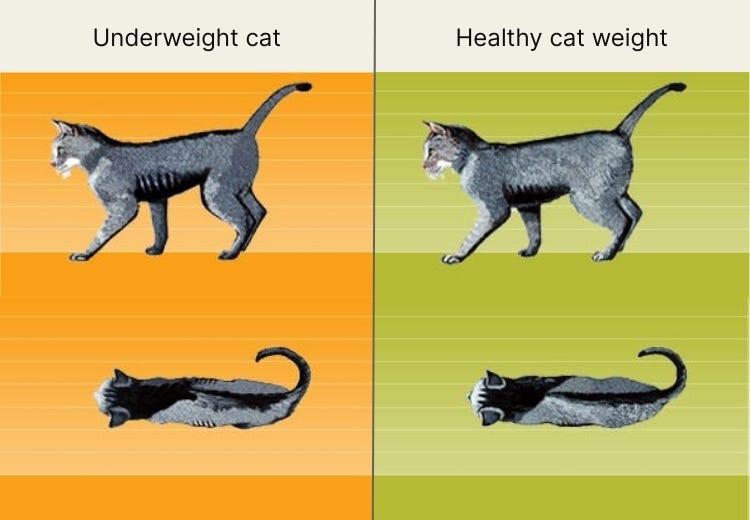
Before you start adjusting your cat’s meals, it’s important to determine if your cat actually needs to gain weight.
Many well-meaning pet parents mistake a lean, muscular cat for an underweight one.
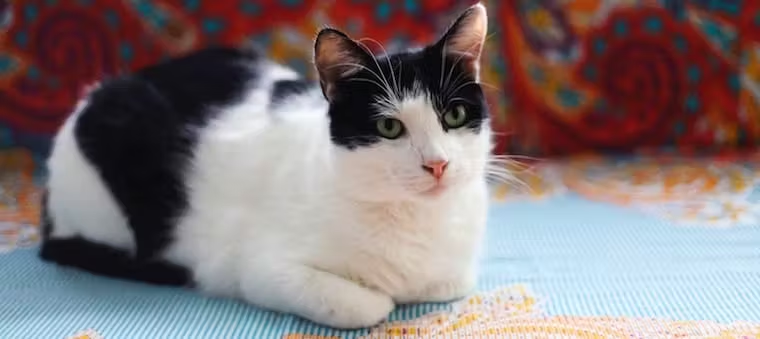
Start by checking your cat’s body condition score (BCS). This is a hands-on assessment that veterinary professionals use that helps determine whether your cat is underweight, ideal, or overweight. A healthy cat should have a visible waist when viewed from above, a tummy tuck from the side, and ribs that are easy to feel but not sticking out. This can be tricky to visualize with long-haired cats, so use your hands to do an exam.
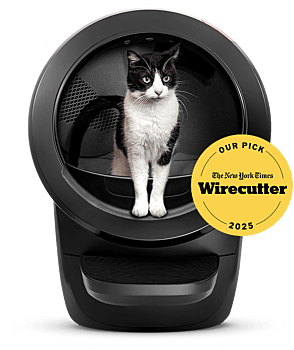
If you’re unsure, ask your veterinarian for a physical exam and ideal weight estimate. For cats on the borderline, it’s also a good idea to weigh them weekly or monthly at home using a digital scale and track any trends. Litter-Robot automatically does this when your cat uses the bathroom.
Why your cat might be underweight

If your cat is truly underweight, it’s essential to look at why before jumping into solutions. Common causes include:
-
Medical conditions like hyperthyroidism, kidney disease, or cancer
-
Stress or anxiety, especially in sensitive cats or after big life changes (moving, construction, a new pet)
-
Food competition in multi-cat homes (some cats get bullied away from the bowl)
-
Dental disease or mouth pain making it difficult to eat
-
Picky eating or food aversions
-
Poor quality food or low calorie content not meeting their energy needs
If your cat has always been on the slim side but recently started losing more weight, a vet visit is non-negotiable.
Bloodwork and a physical exam can help rule out serious underlying causes.
How to help a cat gain weight
Once medical issues are ruled out or treated, you can focus on helping your cat gain weight safely and gradually. Here’s three tips to remember:
-
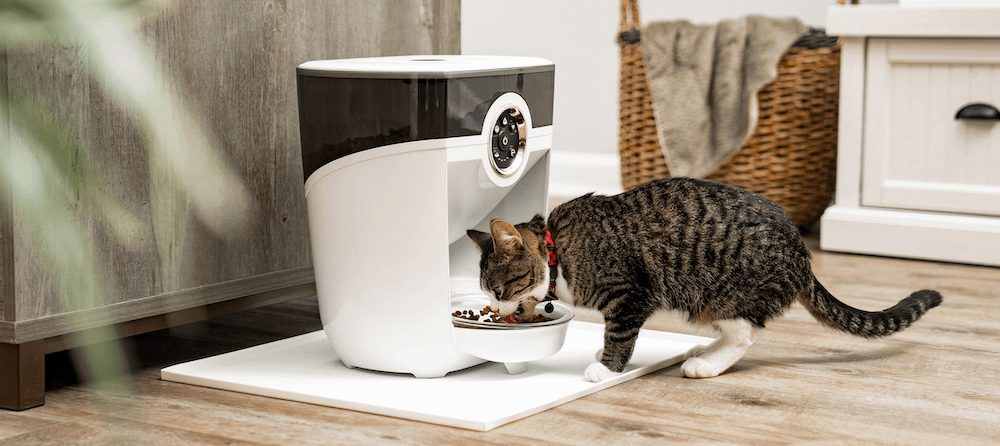
Offer more frequent meals: Instead of feeding once or twice a day, split meals into three to four smaller portions. This approach is easier on digestion and more appealing for cats who prefer grazing.
-
Incorporate wet food: Wet food is typically more calorie-dense, aromatic, and easier to eat than dry kibble. It’s also higher in moisture, which supports hydration. Choose a high-quality wet food that lists real meat as the first ingredient.
-
Reduce stress: A stressed-out cat won’t eat well. Try:
-
Creating calm, quiet feeding areas away from other pets
-
Offering vertical space and cozy hideouts
-
Using feline pheromone diffusers to promote relaxation
Feeding schedule and portion control
Believe it or not, consistency matters more than simply adding more calories. Erratic feeding schedules can stress cats and disrupt appetite. Most cat parents know that cats are naturally routinized and start meowing for food at a similar time each day.
Here’s a sample feeding schedule:
| Time | Feeding |
|---|---|
| 7:00 AM | Small meal (wet food) |
| 12:00 PM | Snack (kibble or high-calorie treats) |
| 5:00 PM | Larger meal (wet food) |
| 9:00 PM | Final light snack or treat |
Stick to the same times each day and monitor how your cat responds. If their appetite improves with smaller, more frequent meals, you’re on the right track.
High-calorie cat treats and toppers
Some cats love a good treat. This can help increase daily calorie intake. When you’re searching for the right treat, look for:
-
Treats with added fat or protein
-
Soft treats or paste-like products that are easy to digest
-
Veterinary appetite stimulants or nutritional supplements (ask your vet first)
-
You can also add toppers like boiled chicken, a cooked egg, bone broth (low sodium), or kitten food to meals for an extra boost.
Best high-calorie cat food for weight gain
When shopping for high calorie cat food, prioritize quality over quantity. Look for the following:
-
High protein content (from named meat sources)
-
Moderate fat content
-
Limited fillers or artificial additives
-
Formulas designed for kittens or recovery (which are often higher in calories)
Reliable (and vet-friendly) snacks to consider:
-
Hill’s Prescription Diet a/d (requires vet approval)
-
Royal Canin Recovery RS (requires vet approval)
-
Tiki Cat After Dark (higher in fat and protein)
Always transition slowly when introducing new food to avoid stomach upset.
When to see a vet
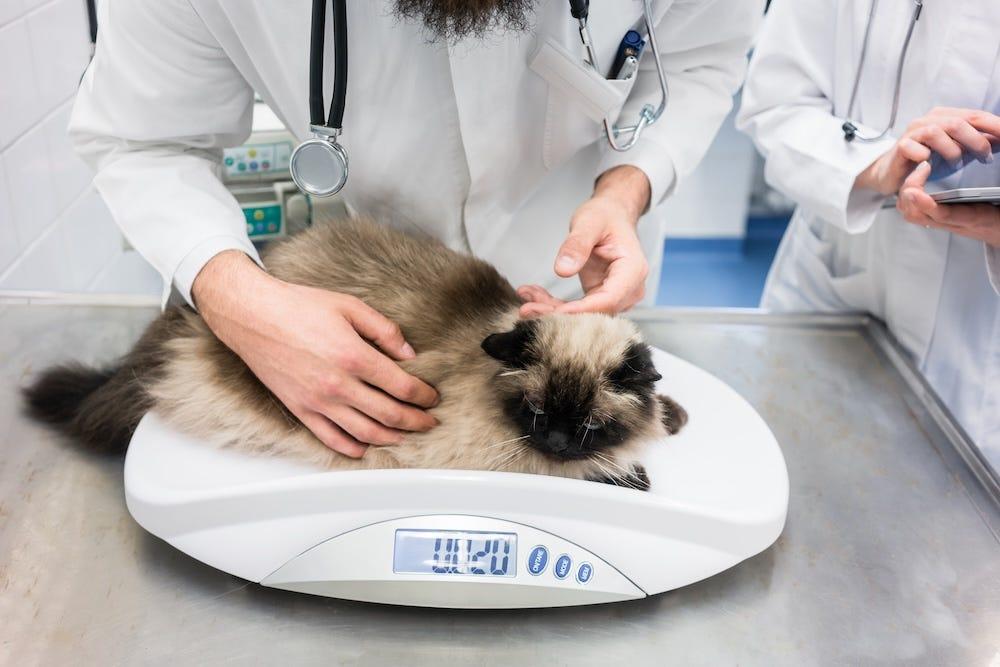
Not all weight loss is nutritional. Often, there’s an underlying health condition. You should see your vet if:
-
Your cat is eating but still losing weight
-
You notice muscle wasting, dull coat, or bad breath
-
Vomiting or diarrhea is frequent
-
Your cat stops eating for more than 24 hours
-
You suspect dental pain or digestive issues
Your vet may recommend bloodwork, dental exam, or imaging to rule out serious conditions like hyperthyroidism, kidney disease, or cancer.
Cat weight gain mistakes to avoid
Helping your cat gain weight is not just about piling on calories. Avoid these common pitfalls:
-
Skipping exercise. Movement helps stimulate appetite and maintain healthy muscle mass. Have areas for your cat to climb, toys for their enrichment, or walk them on a leash!
-
Feeding one large meal. Cats prefer smaller, frequent meals and may not eat enough at once.
-
Ignoring the root cause. Weight loss is often a symptom. Without addressing why, weight gain strategies won’t stick
-
Overfeeding low-quality food. Extra calories won’t help if they’re empty ones. They’ll hurt.
Conclusion
While most cats are at risk of gaining too much weight, a cat that’s truly underweight deserves just as much attention. Whether your cat’s been diagnosed with a medical condition or is simply a picky eater, weight gain should always be approached thoughtfully and with your vet’s support. Focus on consistency, quality nutrition, and creating a stress-free environment to help your cat regain a healthy weight and thrive.
If you’re ever unsure, reach out to your veterinarian. A little early intervention can go a long way toward your cat’s long-term health.