


In this article
A heightened sense of smell is incredibly common during pregnancy. Studies suggest that more than half of pregnant people experience increased smell sensitivity, especially in the first trimester — and for some, it can be intense enough to trigger nausea or headaches.
From coffee and cooking smells to less-than-pleasant odors like cat urine, hyper-aware noses can make everyday life feel overwhelming. The good news? There are ways to manage it.
What is hyperosmia?
Hyperosmia is the medical term for an increased sensitivity to smells.
It doesn’t just mean noticing odors more — it means smells can feel stronger, sharper, and sometimes unbearable.
When can hyperosmia happen?
While hyperosmia is often linked to pregnancy, it can also occur due to:
- Hormonal changes
- Migraines
- Certain neurological conditions like Parkinson’s, epilepsy, Alzheimer’s, and multiple sclerosis
- Medications
- Anxiety or stress
- Autoimmune diseases like systemic lupus erythematosus
- Lyme disease
Common symptoms of hyperosmia
- Smells feeling unusually intense
- Nausea or gagging triggered by odors
- Headaches caused by strong scents
- Feeling overwhelmed or irritated by everyday smells
Heightened sense of smell during pregnancy
Why does it happen?
The most likely culprit is hormonal shifts, particularly increases in estrogen and human chorionic gonadotropin (hCG). These hormones can affect how the brain processes sensory information — including smell — essentially turning up the volume on your nose.
Some experts believe this heightened sense may even be protective, helping pregnant people avoid spoiled food or harmful substances.
When does it start and how long does it last?
For many people, smell sensitivity:
- Starts early in the first trimester
- Peaks alongside nausea and morning sickness
- Improves in the second trimester
That said, some people notice heightened smell throughout pregnancy and everyone’s timeline is a little different.
Common smells that trigger hyperosmia
Certain odors tend to be especially problematic during pregnancy. Common hyperosmia triggers include:
- Cat urine. Ammonia-based smells, like cat urine, are a common trigger. Even a slightly used litter box can suddenly feel overpowering — which is tough for cat parents who are already being extra cautious during pregnancy.
- Cooking smells (especially meat, onions, or garlic)
- Coffee
- Garbage or food waste
- Cleaning products
- Perfumes and scented candles
- Cigarette smoke
Managing hyperosmia: practical ways to cope

You may not be able to turn your sense of smell off, but you can make it more manageable.
- Keep windows open whenever possible to improve airflow
- Use odor-neutralizing products instead of heavily scented ones
- Switch to unscented cleaning supplies
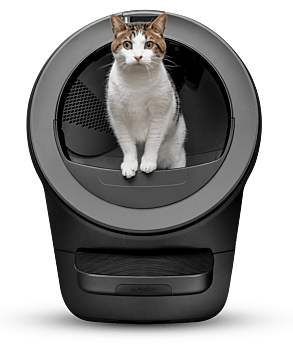
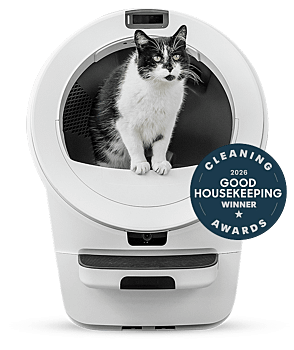
- Keep the litter box extra clean — many cat parents find that a self-cleaning litter box helps minimize lingering odors
- Keep snacks handy to ease nausea triggered by smells
- Choose cold or room-temperature meals, which release less aroma
- Use air purifiers to reduce airborne odors
- Wear a mask when dealing with unavoidable smells (like cleaning or taking out the trash)
Hyperosmia vs. dysosmia vs. phantosmia
These smell-related terms can sound similar, but they’re not the same:
- Hyperosmia: Smells are stronger than normal
- Dysosmia: Smells are distorted or unpleasant (things smell “off”)
- Phantosmia: Smelling odors that aren’t actually there
Hyperosmia is the most commonly associated with pregnancy, while the others may point to different underlying causes.
A heightened sense of smell during pregnancy can be uncomfortable, exhausting, and sometimes downright nauseating, but it’s also very common and usually temporary. Understanding what’s happening and making a few targeted adjustments can help you breathe a little easier (literally).
If smell sensitivity becomes severe, lasts beyond pregnancy, or starts interfering with daily life, it’s always worth checking in with a healthcare provider. In the meantime, fresh air, gentle routines, and minimizing strong odors can go a long way toward making things more manageable.