

If you’re thinking about adopting a cat, or adding a second one to your home, you’ve probably wondered: is it better to have two cats or one? The honest answer is that it depends on your cat’s personality, your living space, and how much time you can dedicate to enrichment and care.
Some cats thrive as the center of attention in a single-cat household, while others benefit from having a feline companion to play, groom, and socialize with.
Understanding the pros, potential challenge, and signs your current cat might want a friend can help you decide what’s best for your household.
In this article
Is it better to have 2 cats or 1? (The real answer)
In general, one cat can be perfectly happy if they get enough playtime, stimulation, and interaction with their humans.
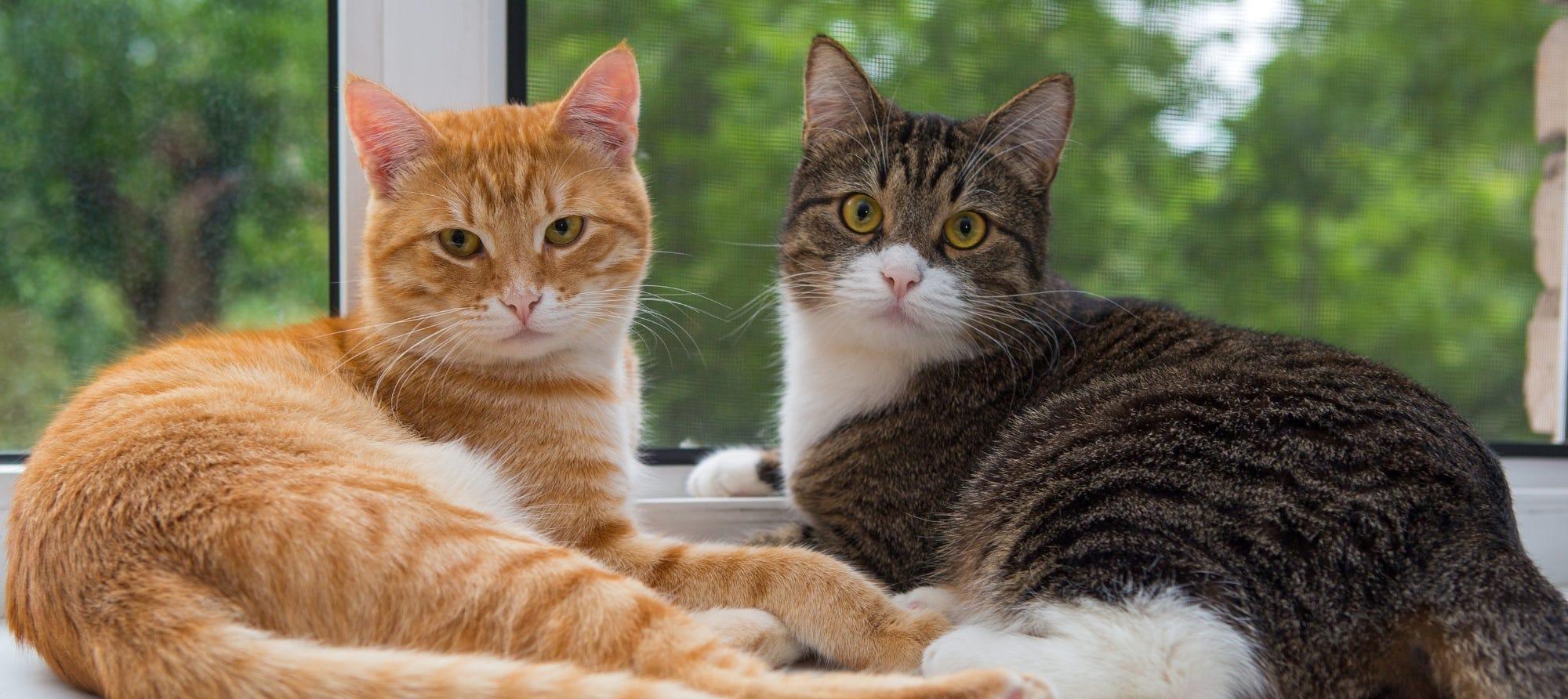
Two cats can be beneficial if they’re well matched in personality and energy level. But, poorly matched cats can lead to stress, territorial behavior, or conflict.
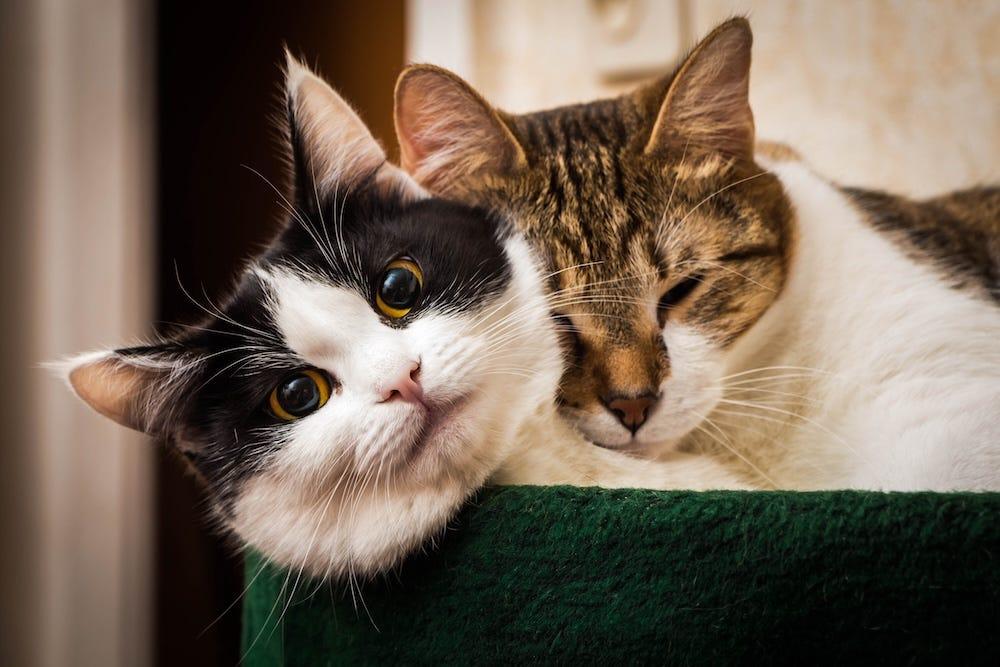
When adopted at the same time, two kittens can more easily form a bonded pair and develop a deep emotional attachment to each other. Bonded pair cats frequently sleep together, groom each other, and may even call out to one another when separated. That's why separating bonded pairs during adoption is not advisable.
There isn’t a universal rule that every cat needs a companion. Some cats are naturally social, while others are more independent or territorial. The goal isn’t simply “more cats,” but rather to create an environment where every cat feels secure, stimulated, and comfortable.
Pros and cons of having two cats
If your cat shows signs that they are lonely, you might think adding another cat is an easy solution, but it can bring its own set of challenges. So should you get a second cat? Let's walk through the pros and cons.
Here’s a quick overview:
| Potential benefits | Potential downsides |
|---|---|
| Built-in playmate and companionship | Higher food, vet, and litter costs |
| Reduces boredom when you're away | Possible territorial conflicts |
| Social grooming and bonding | More litter boxes and resources needed |
| Encourages natural play behaviors | Introduction period can take time |
Potential benefits
Two compatible cats can entertain each other in ways humans simply can’t replicate.
- More play and stimulation. Cats can chase, wrestle, and explore together.
- Less loneliness. Especially helpful for cats who spend long hours alone.
- Social behavior. Grooming, sleeping together, and gentle play are common in bonded cats.
- Reduced boredom. Helps curb destructive behaviors caused by understimulation.
Potential downsides
- More expenses. Food, litter, and vet care add up.
- Territorial issues. Some cats dislike sharing space.
- Long introductions. Can take weeks or months.
- Resource competition. Guarding food, toys, or litter boxes.
Signs your cat wants another cat
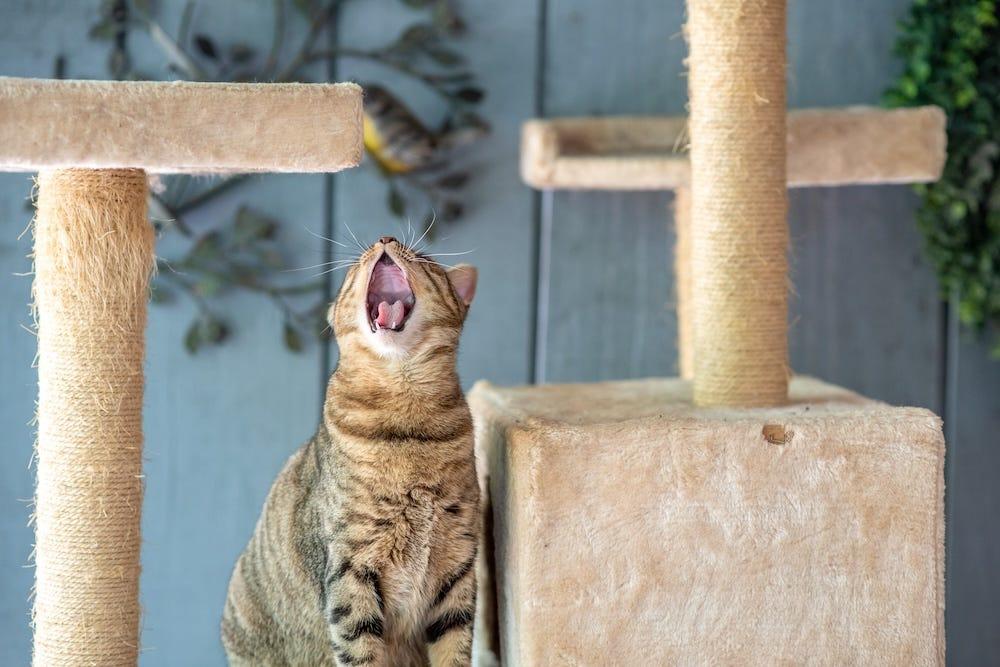
- Boredom behaviors. Destructive play or excessive zoomies may indicate boredom.
- Attention seeking. Constant demands for interaction like frequent meowing, walking in front of you, or waking you up at night.
- Restless energy. Especially in younger cats but also in many high-energy cat breeds. The key might be more consistent playtime.
- Meowing when leaving. Vocalizing when alone is not only a sign of separation anxiety, it might also indicate loneliness.
Signs another cat might be a bad idea
- Strong territoriality. Guarding spaces or resources. Territoriality can also present itself with litter box behaviors like peeing outside the litter box or marking.
- Stress around other cats. Hiding, hissing, aggression – if your cat shows signs of any of these, they may not be ready for another companion yet.
- Resource guarding. Blocking access to food or water stations, even from you, can be a sign of resource anxiety.
- History of fighting. Prior conflicts could be indicated by past shelter records or scars.
Signs of bonded pair cats
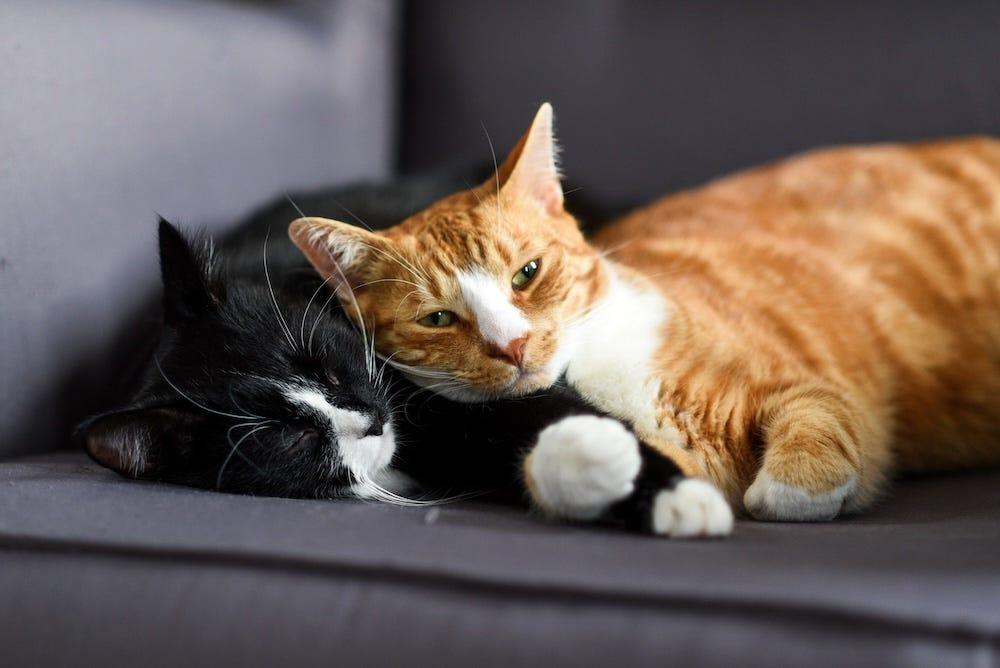
Although cats can be very solitary, they can sometimes form strong bonds with each other, relying deeply on each other for comfort and companionship.
Signs of bonded cats include:
- Sleeping together
- Grooming each other
- Eating together
- Playing together
- Showing distress when separated from one another
Adopting a bonded pair is often easier than introducing two unfamiliar cats.
If you're considering adopting a bonded pair from your local animal shelter or humane organization but already have a cat at home, note that adopting a single cat out of the pair may not be possible.
Separating bonded cats often causes profound stress, leading to depression, anxiety, behavioral issues, or a failure to thrive.
Common reactions include searching for the missing companion, excessive vocalization, loss of appetite, hiding, or hiding, with some cats never fully recovering from the trauma.
Should I get a second cat?
When all is said and done, should you get a second cat? There's hardly a blanket answer to that question, but start by asking yourself the following questions:
- Do I have the budget for a second cat and their expenses?
An indoor cat costs between roughly $445 and $1,270 per year between food, veterinary care, and cat essentials (beds, scratchers, toys...). Multiply that by two!
Most cats thrive with around 18 to 20 square feet of personal space, so plan 35-45 square feet of functional space for cat essentials. Don't forget that you will need multiple litter boxes.
- Will I be able to keep up with litter box maintenance?
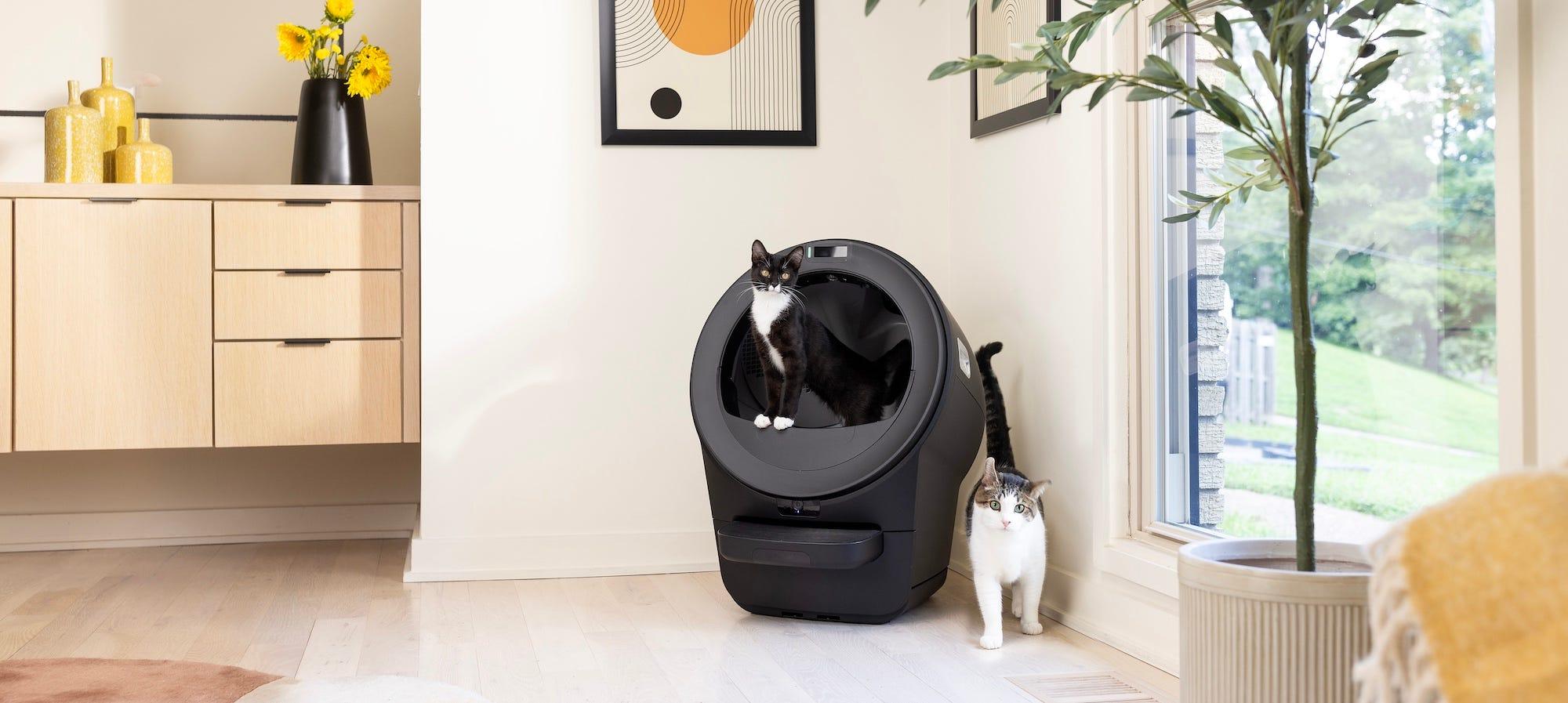
Double the cats, double the waste, and double the poop scooping. Plus, the litter box will need to be scooped every day to reduce other cats' scents, or you might have territorial issues on your hands. Alternatively, you may consider a self-cleaning litter box like Litter-Robot.
- Will I have enough time to provide them with enrichment?
You should plan to play with your cat for at least 30 minutes per day.
- Will my current cat get along with the new cat?
For that last question specifically, our cat experts have crafted a cat matching guide so you know what to look for in a potential second cat.
Resident cat match guide
| Resident Cat | Best Match |
|---|---|
| Energetic kitten | Another playful kitten |
| Young active cat | Similar energy level |
| Calm adult cat | Gentle companion |
| Senior cat | Calm adult |
Compatibility tips
- Match energy levels
- Look for compatible personalities
- Avoid extreme mismatches
Readiness checklist
Budget
Expect doubled ongoing costs and plan for emergencies.
Space & territory
Provide vertical space and separate resting areas.
Resource math
Follow the rule: one per cat, plus one extra.
Time commitment
Introductions take time and patience.
Backup plan
Be prepared if cats don’t bond.
What to watch out for in a first meeting
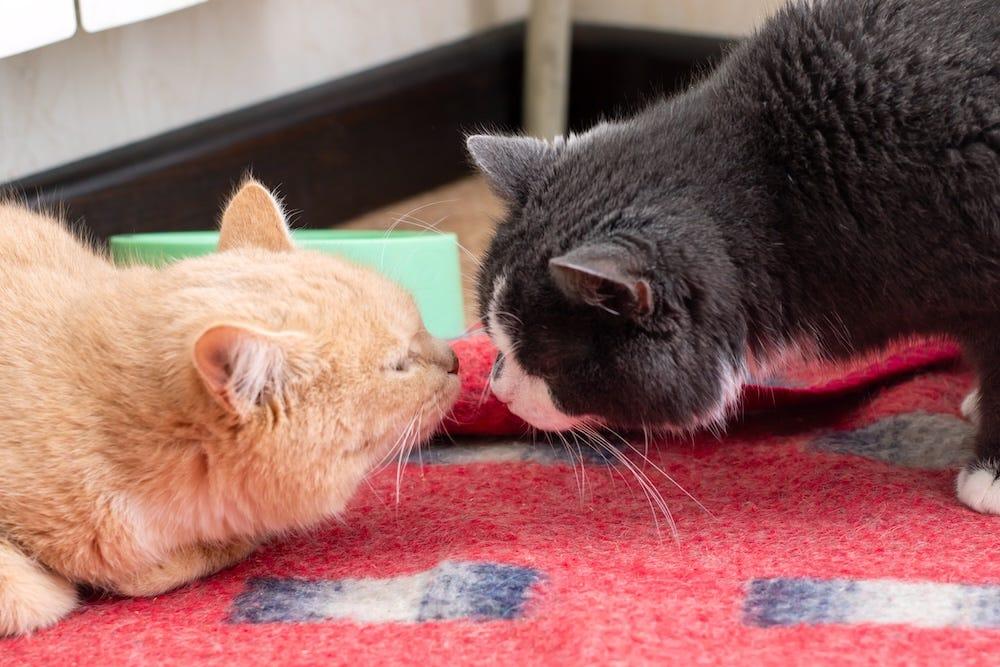
Depending on where you adopt from, you may be able to introduce the two cats before adoption. If that's the case, make sure you watch out for signs cats may or may not get along like:
Positive signs
- Curious sniffing
- Relaxed body language
- Playful behavior
- Calm disengagement
Red flags
- Persistent hissing
- Stalking behavior
- Resource blocking
- Escalating aggression
Slow introductions dramatically improve success rates.
Ultimately, whether one or two cats is better depends on personality, environment, and proper matching. With patience and the right setup, a multi-cat home can be incredibly rewarding.