

Worried your cat is looking a little too thin?
While some cat breeds are naturally slender, sudden or noticeable weight loss in a cat can be a sign that something’s off. Whether you’ve just noticed sharper ribs or your cat’s usual appetite has disappeared, it’s worth paying attention.
Here’s how to tell if your cat is too skinny, what might be causing it, and how to help your cat get back to a healthy weight.
In this article
How to tell if your cat is too skinny
The easiest way to assess your cat’s weight is by feel and sight. If you can clearly see or feel your cat’s ribs, spine, or hip bones without pressing much, that’s a red flag that your cat may be underweight.
Use a feline body condition score (BCS) chart as a guide. These charts help you gauge your cat’s weight on a scale from too thin to overweight based on visual and physical cues.
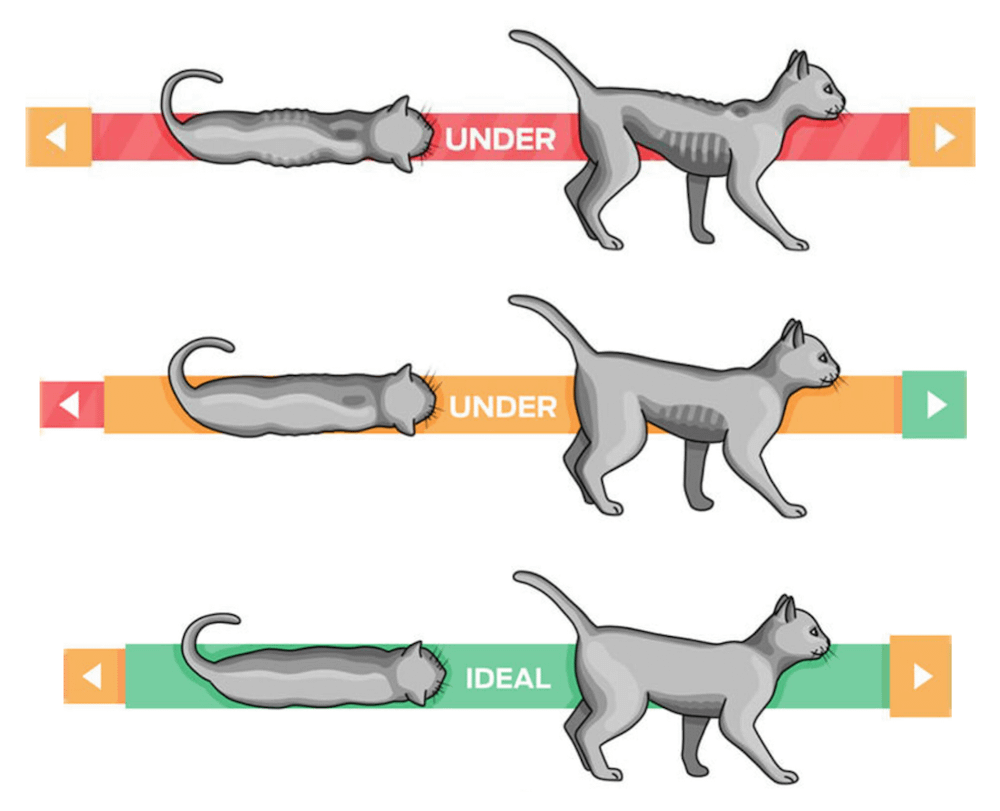
For comparison, a healthy-weight cat should have:
- A visible waist when viewed from above
- A slight tummy tuck when viewed from the side
- Ribs that can be felt but not easily seen
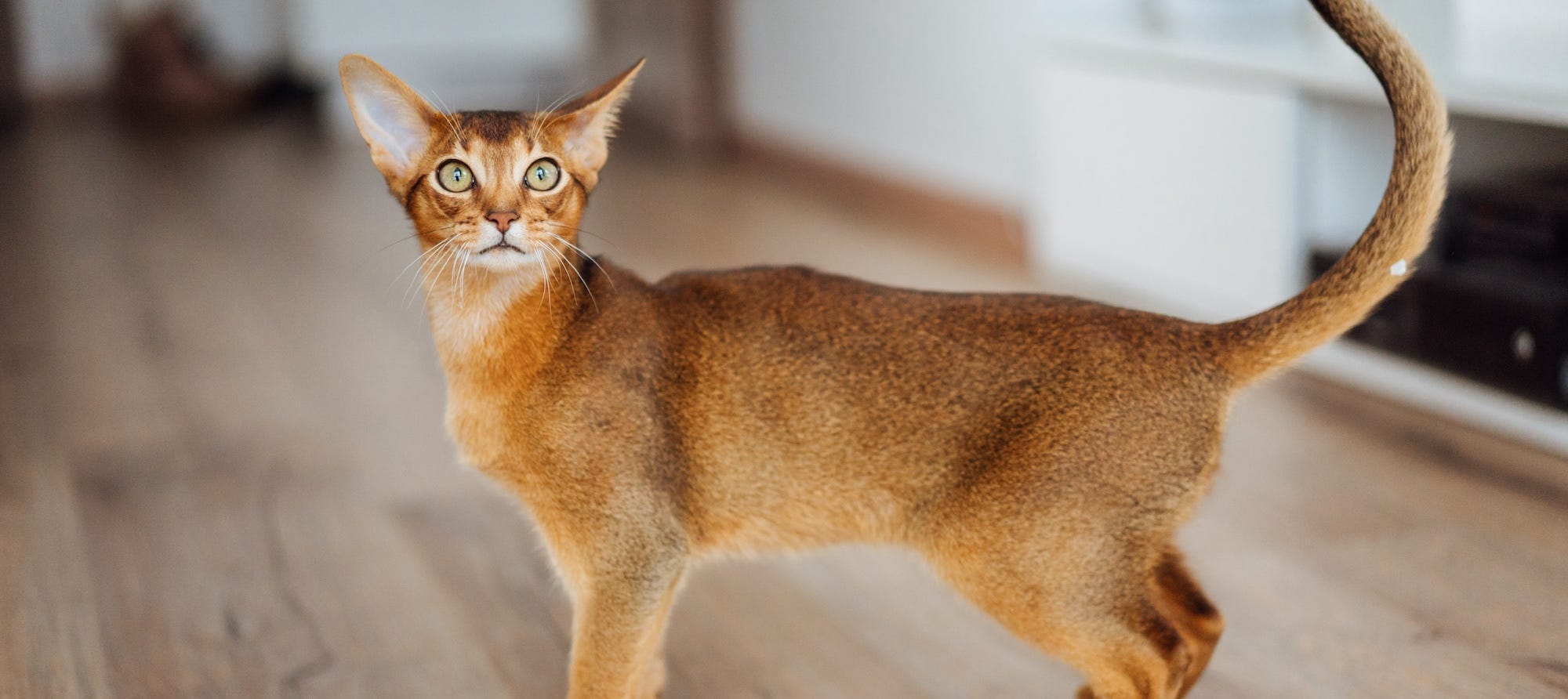
That said, not all slim cats are unhealthy. Some breeds, like Oriental Shorthairs, Abyssinians, and Siamese cats, tend to be naturally lean, even when perfectly healthy.
It’s also important to know that many cats will have a primordial pouch (a saggy skin flap below the stomach made up of fat and fur) that may make them look fat, but it’s a normal finding and shouldn’t be included when assessing your cat’s body condition score. While veterinarians don’t know for sure why cats have primordial pouches, having them does not automatically mean that your cat is overweight. Thin cats often still have a primordial pouch.
Common reasons your cat might be underweight
If you’ve ruled out breed-related leanness, there are several common reasons a cat may be too skinny:
- Not eating enough: Picky eating, food aversions, or stress can lead to reduced calorie intake.
- Health issues: Conditions like hyperthyroidism, diabetes, intestinal parasites, kidney disease, or IBD (inflammatory bowel disease) can all cause weight loss.
- Dental pain: Cats with dental disease may avoid eating because it hurts to chew.
- Chronic illness or aging: Older cats or those with ongoing medical conditions may lose weight over time.
- Stress: A move, a new pet, or a change in routine can reduce appetite.
- Low-calorie or low-quality food: Some cats simply aren’t getting enough calories from their diet, especially if they’re very active.
When to see the vet
If your cat is suddenly dropping weight or showing other changes, like eating less, vomiting, having diarrhea, or using the litter box differently, it’s time to call the vet. Even if your cat seems otherwise fine, unexplained weight loss can be a sign of an underlying health issue that needs professional attention.
Lethargy, weakness, or any dramatic shift in behavior are also red flags. And if you’re ever unsure, it’s always better to play it safe with a vet visit. Catching a potential issue early can make a big difference in your cat’s recovery.
Another scenario that is often missed by well-intentioned pet parents is accepting the weight loss as a long-overdue change. If your cat is historically overweight and suddenly loses weight without you facilitating the change, it is best to visit the veterinarian.
How to help a skinny cat gain weight
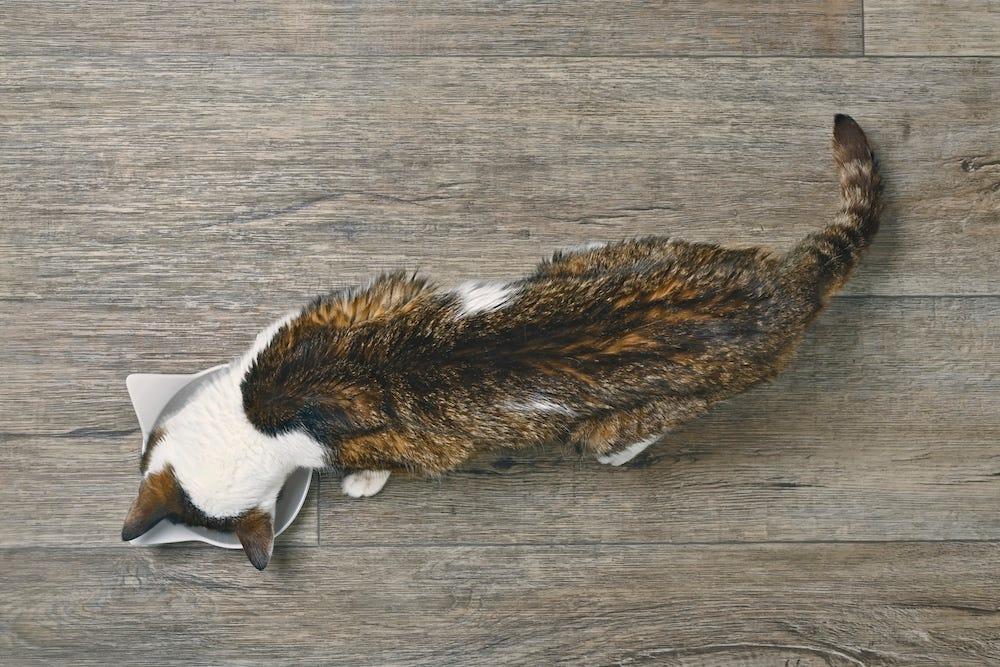
If your vet gives you the green light to start helping your cat put on weight, here are some simple yet effective strategies.
- Switch to a high-calorie or nutrient-dense cat food: Ask your vet for recommendations or look for formulas made for weight gain or recovery.
- Feed smaller, more frequent meals: This can be easier on your cat’s digestive system and more appealing overall.
- Warm up wet food: A little heat brings out the aroma and can entice picky eaters.
- Add toppers or broths: Tuna juice, bone broth, or wet food toppers can increase appeal and calorie intake. (Consult with your veterinarian prior to adding any human food to your cat’s diet.)
- Use a private feeding station: Giving your cat a quiet, stress-free area to eat (such as in a separate room) can make a big difference.
- Treat any underlying medical conditions first: Weight gain won’t happen if your cat is still sick.
Weight gain can be difficult and frustrating for both cats and their parents, so keeping an open line of communication with your veterinarian can be extremely helpful in trying to promote weight gain.
How to monitor your cat’s weight at home
Keeping tabs on your cat’s weight doesn’t have to be complicated. A simple method is the bathroom scale trick: weigh yourself, then weigh yourself again while holding your cat, and subtract the difference. Try to do this once a week and jot the number down to track any changes over time.
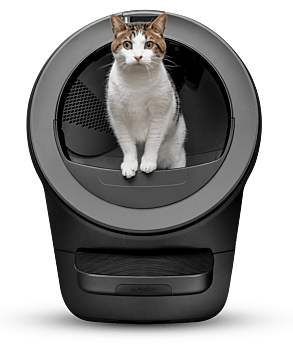
Self-cleaning litter boxes like Litter-Robot include a built-in weight scale that can help you track each of your cat’s weights with every visit. Using the Whisker app, even subtle changes in weight are detectable.
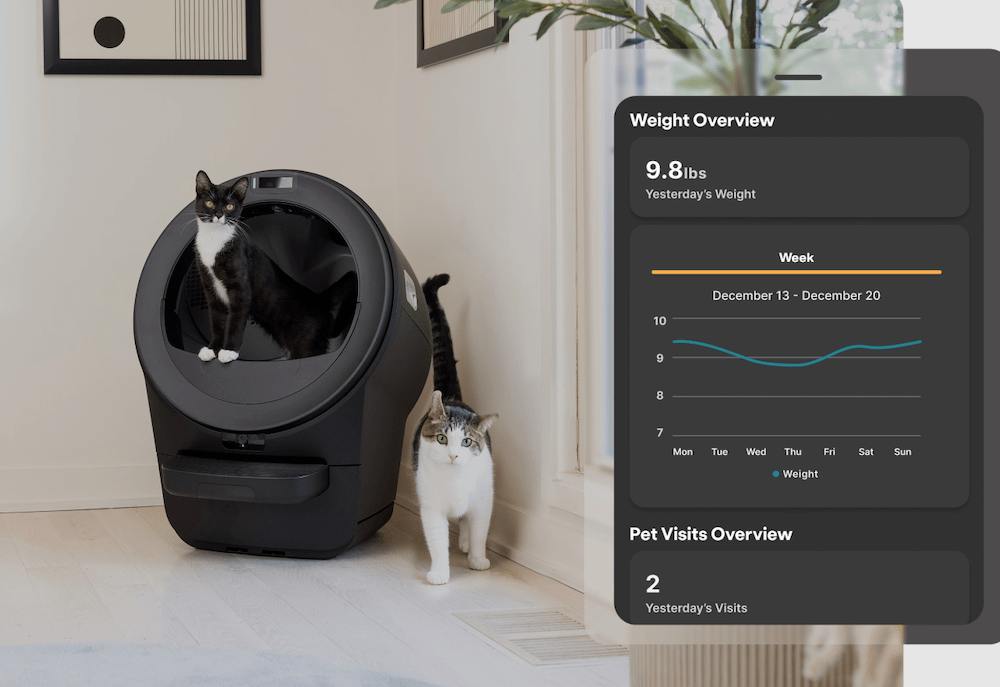
It also helps to monitor your cat’s daily eating habits with a smart automatic pet feeder like Feeder-Robot. Feeding history in the Whisker app, photos, or short videos can give you a helpful visual record of how your cat’s body is changing, plus these can be helpful to show your vet. Sometimes it’s easier to spot subtle differences when you look back over time.
Final thoughts
A slim cat isn’t always an unhealthy one, but if you’re wondering why your cat is losing weight or if your cat is too skinny, it’s time to take a closer look.
With a little detective work, dietary changes, and working closely with your vet, you can help your cat feel better, gain weight safely, and get back to their curious, confident self.
FAQ
How do I know if my cat is too skinny or just lean?
Feel your cat’s body. If ribs, spine, and hip bones are extremely prominent with little to no padding, your cat may be underweight. Breed and natural build matter too.
What should I feed a skinny cat?
Look for high-calorie cat food or vet-prescribed diets. Wet food tends to be more palatable and hydrating, especially for cats with poor appetites.
Can stress make a cat lose weight?
Yes. Cats are sensitive to change, and stress can affect appetite, digestion, and overall behavior, leading to weight loss in some cases.