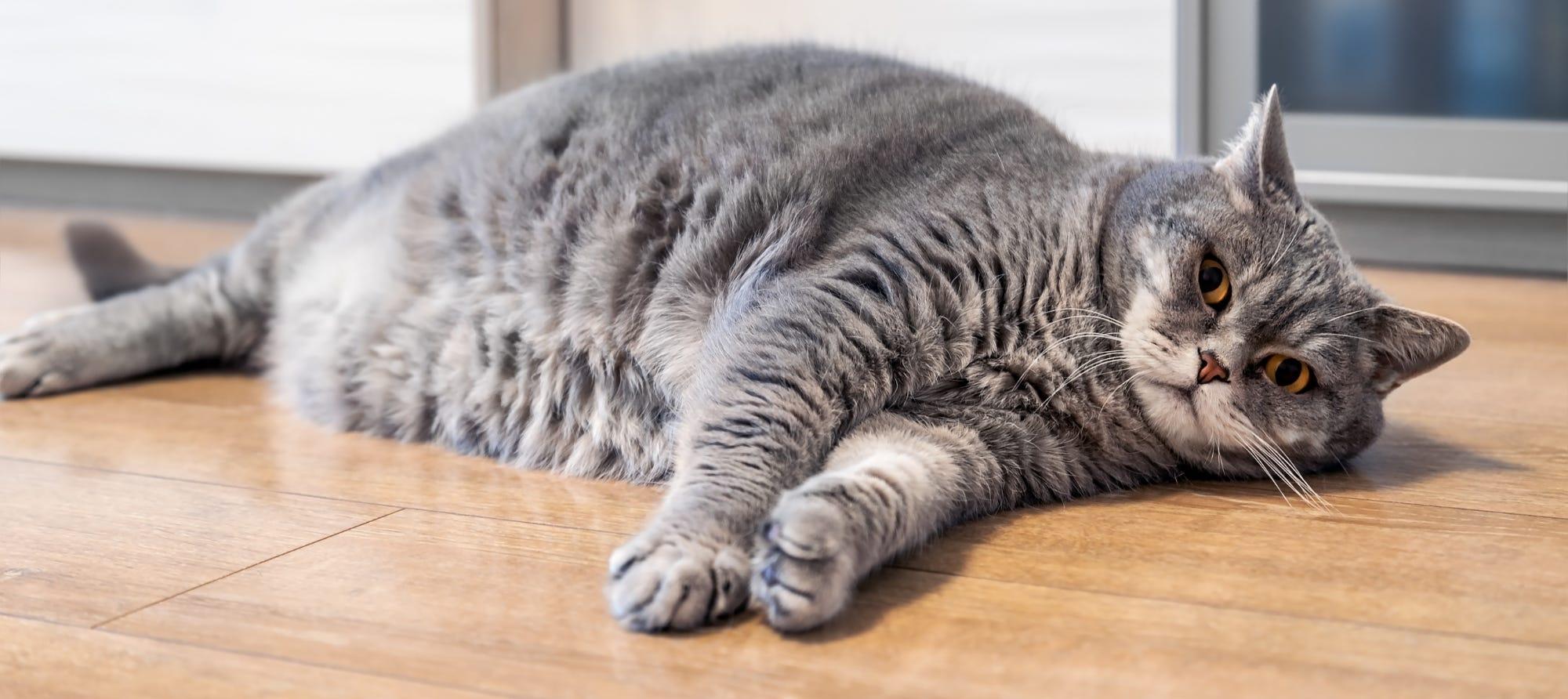


If you feel like more and more cats are a little rounder these days, you’re not imagining it. Recent surveys suggest that in the U.S.,
over half of cats (and dogs) are overweight or obese and many owners don’t even realize it.
We’re not here to shame chunky kitties. But cat obesity is a real health issue, and understanding it is one of the best ways to help your furry friend live a longer, happier life.
Did you know? The “fattest cat” in modern records weighed over 46 pounds — and no, that’s not a goal for anyone’s pet. Even the largest breeds shouldn’t carry extra weight that impacts their health.
So when is a cat considered obese and how can you help a cat lose weight? Our cat experts & veterinarian Dr. Laria Herod tell you everything you need to know.
In this article
How much should a cat weigh?
There’s no one magic number — ideal weight depends on breed, frame, age, and body condition — but
many domestic cats fall in the ballpark of 8 to 10 pounds when healthy.
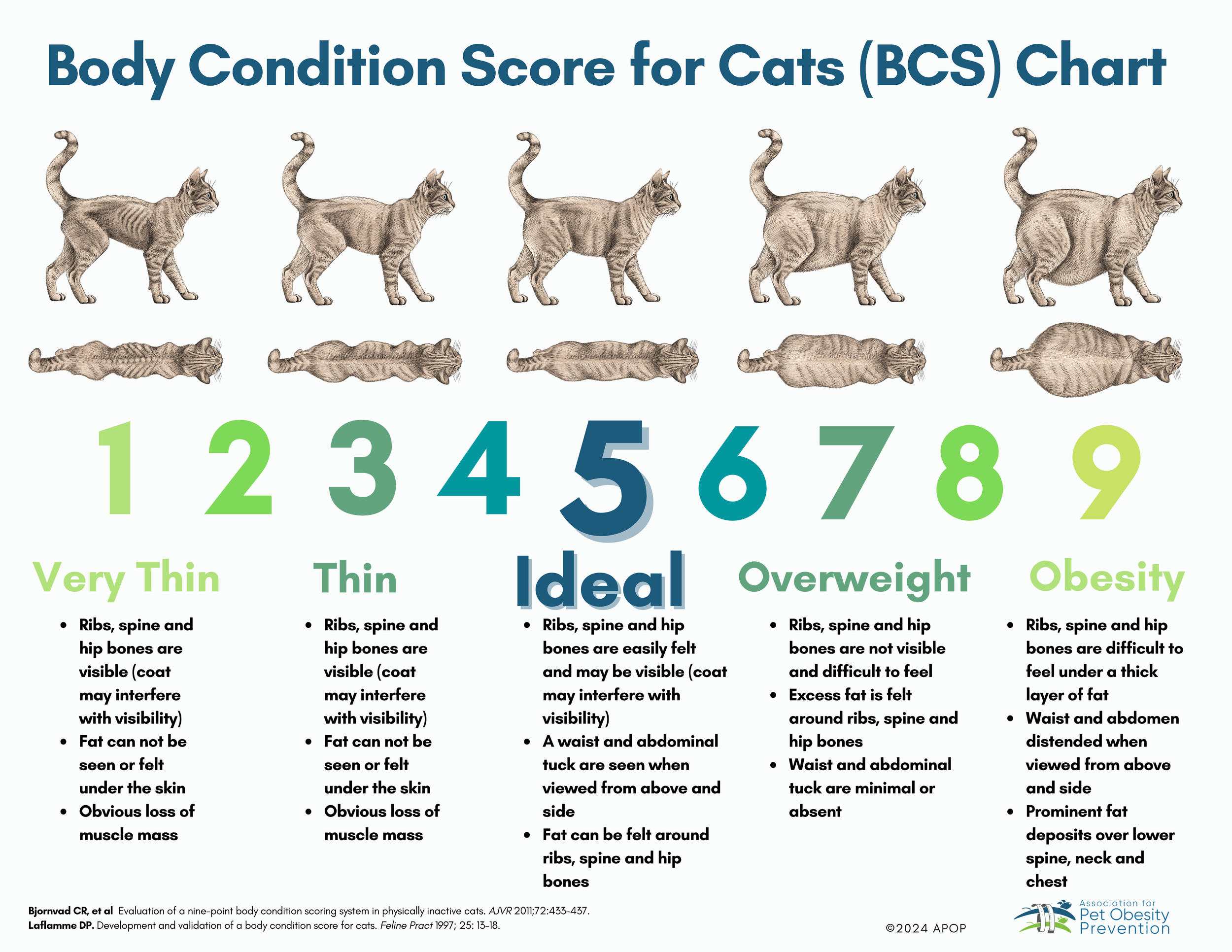
Instead of obsessing over a scale, vets use a body condition score (BCS) to judge whether a cat is underweight, ideal, overweight, or obese. A cat in the middle of that scale usually has:
-
A visible waist when viewed from above
-
Ribs you can feel under a thin layer of fat
-
No obvious bulging belly
This kind of visual and hands-on check often tells you more than a number on a scale.
Signs of cat obesity (beyond just weight)
Weight is just part of the story. Look for:
-
No visible waistline
-
Harder to feel the ribs
-
Less interest in jumping, playing, or climbing
-
Difficulty grooming, especially around the back and belly
-
Trouble with stairs or the litter box
Dangers of cat obesity
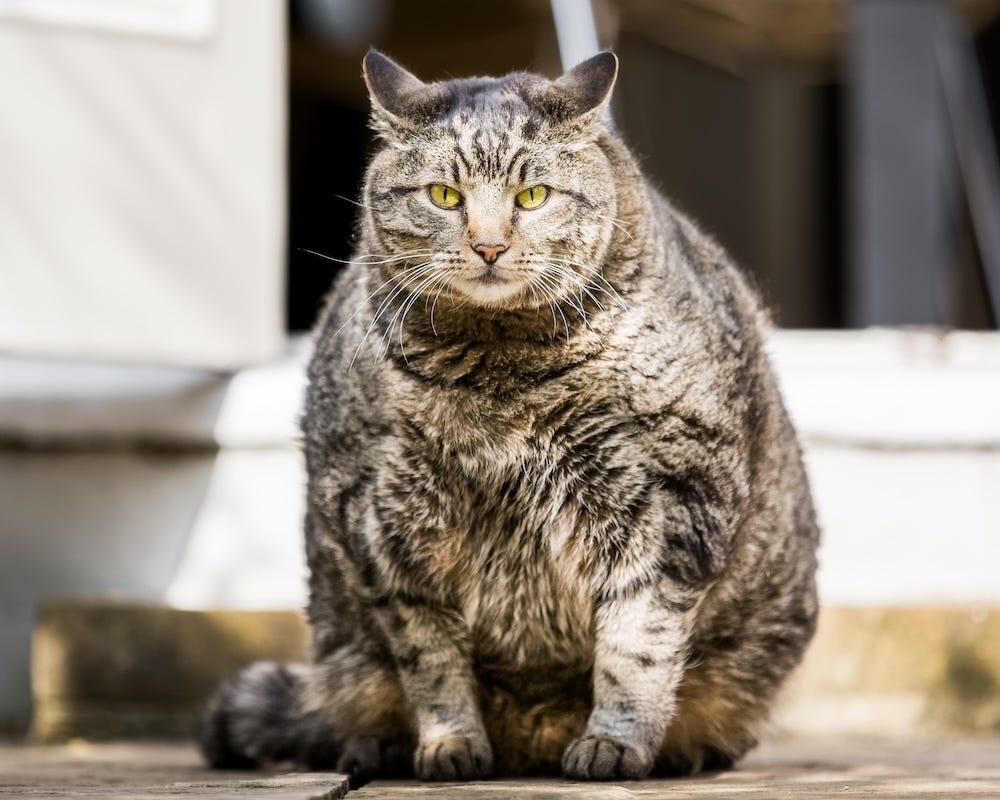
Being overweight might look cute, but it’s not benign.
Extra pounds put real stress on a cat’s body and can contribute to serious health problems like:
-
Osteoarthritis and joint pain
-
Heart and respiratory strain
-
Cancer
-
Skin problems
In this day and age, it is more appropriate to think of obesity as a chronic, low-level inflammatory condition; and having a chronic condition like this unchecked can likely shorten your feline family member’s life.
How to help your cat lose weight
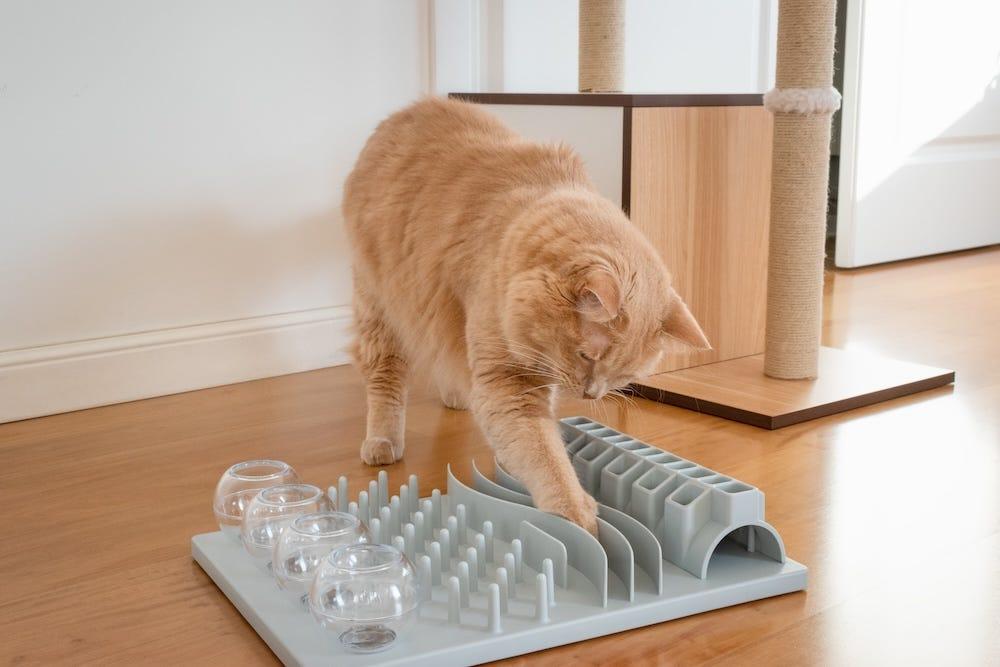
A safe, successful weight-loss plan for cats isn’t about starvation, it’s about steady changes that support long-term health. Here’s how to get started:
1. Portion control
Free-feeding (food out all day) is one of the biggest reasons cats overeat. Measure their meals and stick to a daily calorie plan.
You don’t want to abruptly drop your cat’s food intake because it may put your cat at risk for a life-threatening liver condition called hepatic lipidosis.
2. Scheduled feedings
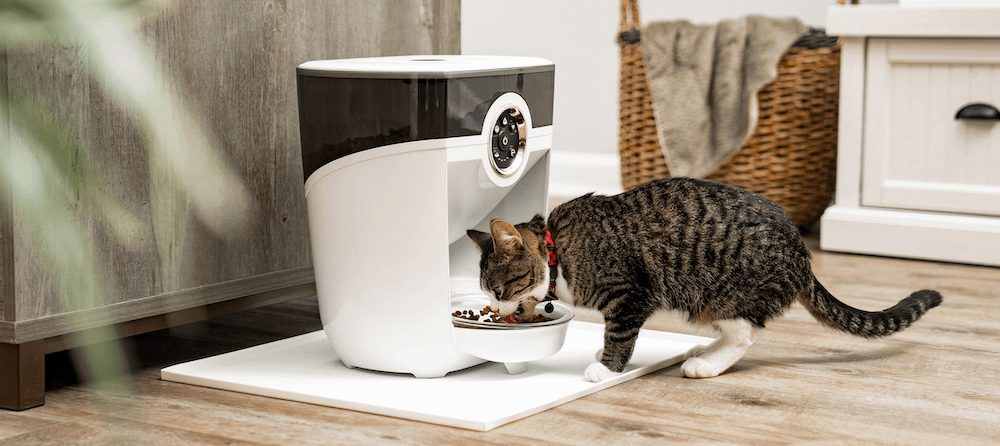
Gradually adjust their food intake with the guidance of your veterinarian. Split their food into multiple small meals per day (or use an auto feeder) instead of one big bowl — this can help control hunger and mimic natural feeding patterns. Slow feeders can also help ensure your cat takes more time to eat and truly feels full.
3. Choose the right food
Look for weight management cat food that’s high in protein and fiber yet lower in calories. These formulas help cats feel full without extra pounds. While there are over the counter “weight management” diets available to try, some cats need prescription grade to obtain their weight loss goal. One must be open minded and willing to try new things.
4. Increase activity
Interactive play sessions (15 to 30 minutes a day) make a huge difference.
Wand toys, laser pointers, and climbing spaces tap into your cat’s natural hunting instincts.
5. Track progress
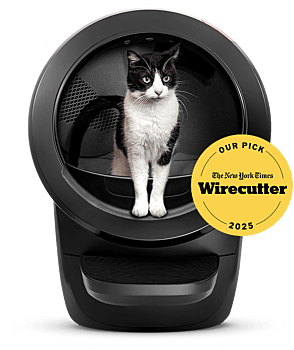
Weighing your cat weekly and tracking changes helps you adjust feeding and activity in real time. Having a scale at home or a weight-tracking smart litter box like Litter-Robot® is essential in ensuring progress is being made.
Since Litter-Robot 5 can identify individual cats based on weight and the Whisker app provides a 7-day weight history, it is useful to track results over time, especially in multiple-cat households.
6. Treat wisely
Treats should be a tiny part of a cat’s daily calorie intake.
Limit treats to less than 10% of their daily calories.
Consider using a bit of their regular kibble as “treats” to avoid extra calories.
Things to avoid
Even small habits can undermine weight loss. Here are some things to avoid when on a kitty weight loss journey:
-
Rich human foods (like dairy, leftovers, fatty snacks)
-
Constant grazing/free-feeding
-
High-calorie treats
-
Crash diets — rapid weight loss is dangerous and can trigger fatty liver disease in cats
Your vet can help tailor a plan that avoids these pitfalls safely.
Helping an obese cat reach a healthier weight isn’t an overnight project. With patience, consistency, and the right tools, it’s absolutely achievable. The goal isn’t a “skinny cat,” it’s a happier, healthier companion who’s here for more years of purring, play, and snuggles.