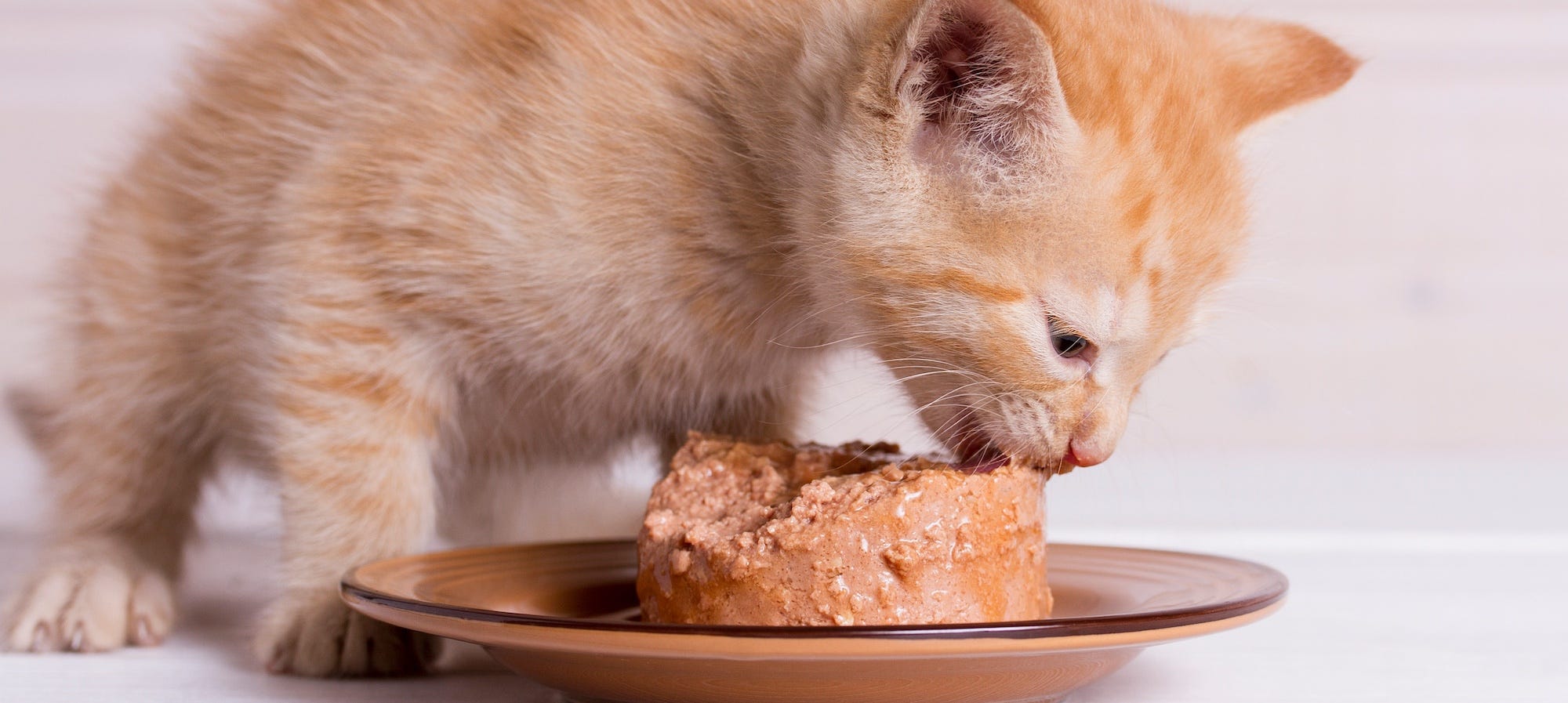


Bringing home a kitten is an exciting time filled with tiny paws, playful chaos, and plenty of questions—especially about feeding. One of the most common questions new pet parents have is: When can kittens start eating wet food? The answer depends on your kitten’s age, development, and readiness to transition from milk to solid food.
When can kittens eat wet food?
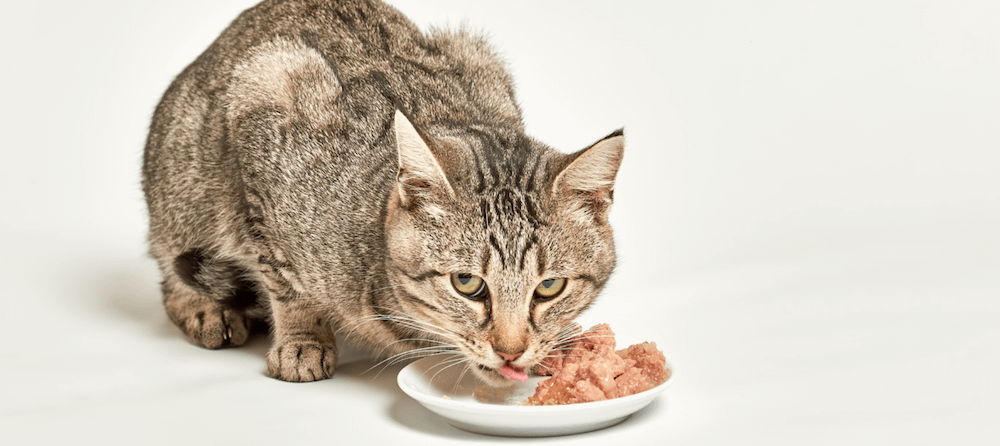
Most kittens can begin eating wet food around 3 to 4 weeks of age, when they start weaning off their mother’s milk or kitten formula. At this stage, their teeth are just starting to emerge, and soft wet food is easier for them to lap up and digest.
Here’s a general timeline for feeding during early development:
-
0–3 weeks: Nursing or bottle-feeding only.
-
3–4 weeks: Introduce wet food mixed with kitten formula to form a soupy consistency.
-
5–6 weeks: Primarily wet food, with milk or formula as a supplement. Introduce solid kitten food either moistened or as an addition.
-
8+ weeks: Fully weaned and eating solid kitten food.
By 8 weeks, most kittens should be comfortable eating on their own. Continue offering wet food formulated for kittens — it’s rich in calories, protein, and moisture to support rapid growth.
When can kittens eat dry food?
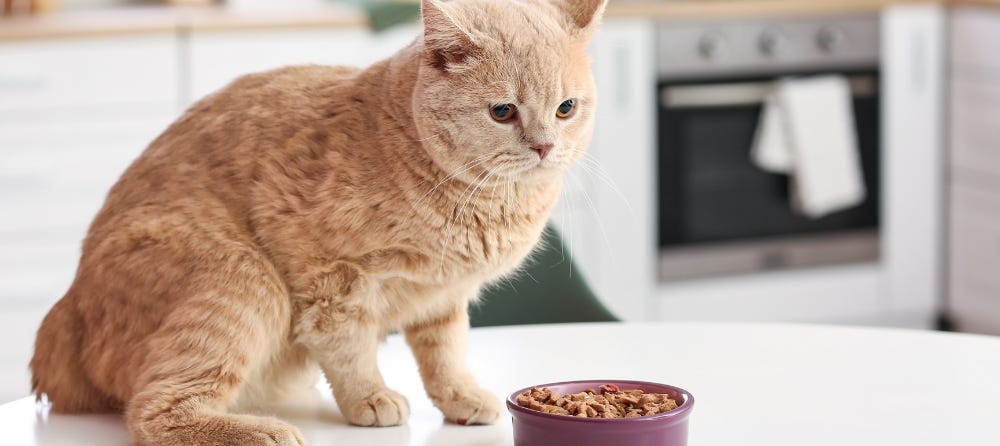
Kittens can usually start trying dry food around 5 to 6 weeks of age, but their tiny teeth and sensitive gums mean it’s best to make it easier to chew at first. Their pre-molar baby teeth should be in by about 6 weeks of age, so you can start by mixing dry kibble with wet food or add a little warm water to soften it.
When transitioning from wet to dry food, do it gradually. Start by mixing a small amount of dry food into their wet meals, and increase the ratio over a week or two. This helps prevent digestive upset and allows your kitten time to adjust to the new texture.
How much food should you feed a kitten?
Because kittens grow quickly and burn energy fast, they need more frequent meals than adult cats. Use the feeding guidelines on your kitten food’s packaging as a starting point, then adjust based on your kitten’s appetite, size, and vet’s advice.
|
Kitten age |
Type of food |
Meals per day |
Portion size |
Notes |
|
0–3 weeks |
Mother’s milk or kitten formula |
Every 2–3 hours |
~2 tsp per feeding |
No solid food yet |
|
3–4 weeks |
Wet food mixed with formula |
4–6 small meals |
~1–2 tbsp each |
Start weaning |
|
5–8 weeks |
Wet food (optional dry mix-in) |
4 meals |
~2–3 tbsp each |
Fully weaning |
|
2–3 months |
Wet and/or dry kitten food |
3–4 meals |
~½ can wet or ¼ cup dry total per day |
Growing quickly |
|
3–6 months |
Wet and dry kitten food |
3 meals |
~¾ can wet or ⅓ cup dry |
Adjust by weight |
|
6–12 months |
Wet and dry kitten food |
2–3 meals |
~1 can wet or ½ cup dry total |
Transition to adult food around 12 months |
Kitten feeding schedule
A consistent schedule helps regulate digestion and build healthy habits. Here’s a simple example to follow:
-
Morning: Wet food meal.
-
Midday: Small wet or dry snack.
-
Evening: Wet food meal.
-
Before bed (optional): Small dry food portion to tide them over overnight.
Kittens under 6 months should be fed multiple times per day. As they grow, you can slowly reduce feeding frequency while keeping portion sizes appropriate for their weight and energy needs.
Best kitten food options
When choosing food for your kitten, look for products labeled as “complete and balanced for growth.” These formulas are specifically designed to support healthy development. While “all life stages” foods aren’t great for adult or senior cats, they tend to be okay for kittens, as they are supposed to be formulated with the needs for growth in mind.
Wet food should be soft, room temperature, and moisture-rich to aid digestion and hydration. Wet cat food doesn’t last long once it’s out of the can or pouch. After about 1 to 2 hours at room temperature, it can start to spoil. Dry food should have small, easy-to-chew kibble that’s nutrient-dense.
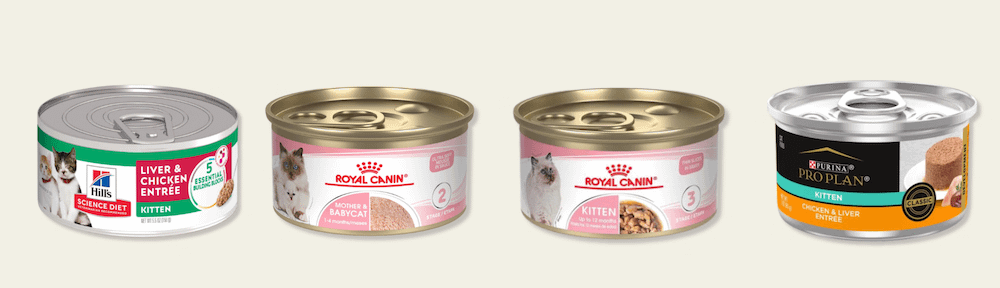
The best wet food options for kittens include:
-
Purina Pro Plan Kitten
-
Royal Canin Kitten
-
Hill’s Science Diet Kitten
All of these brands offer kitten-specific recipes that balance protein, fat, and essential nutrients.
Common feeding mistakes to avoid
Even with the best intentions, some feeding habits can slow your kitten’s progress or upset their stomach. Avoid these common pitfalls:
-
Overfeeding or free-feeding too early can lead to weight issues.
-
Offering adult cat food to kittens who have different nutritional needs.
-
Switching foods too quickly, always transition over at least a week.
-
Skipping meals or leaving long gaps between feedings.
-
Not providing enough hydration, especially if your kitten eats mostly dry food.
Feeding your kitten the right way sets the foundation for a lifetime of good health. Start with wet food around 3 to 4 weeks old, introduce dry food gradually around 5 to 6 weeks, and stick with a consistent feeding schedule. Pairing balanced nutrition with plenty of playtime and affection will help your kitten grow into a happy, healthy cat.