


Yes, cats make great pets for many people! They can be affectionate, adaptable, and relatively easy to fit into a wide range of lifestyles. While cats aren’t necessarily better than dogs for everyone, they can be a good match for people who want companionship without the constant hands-on care that some other pets require.
Cats thrive in apartments, small homes, and busy households. They can provide comfort, routine, entertainment, and emotional connection while still maintaining a level of independence that many pet owners appreciate.
The key is finding a pet whose needs match your lifestyle. For millions of people, that’s exactly why cats make such great companions.
In this article
- Benefits of having a cat
- Do cats love their owners?
- Why cats make such good pets for busy people
- Why are cats better than dogs for some people?
- Cats can love you without being clingy
- The emotional benefits of having a cat
- Cats are especially good pets for kids, older adults, and first-time pet owners
- What cat affection actually looks like
- When cats may not be the best pet choice
- How to make cat ownership even easier
Benefits of having a cat
There are plenty of benefits to having a cat, especially if you're looking for a pet that offers companionship without requiring your entire daily schedule to revolve around them.
Cats are easier to care for in small spaces
Cats generally adapt well to apartments, condos, and smaller homes. Unlike dogs, they don't need a backyard or multiple daily walks to stay happy and healthy.
Many indoor cats live full, enriched lives with climbing spaces, scratching posts, toys, and regular interaction with their owners.
Cats are generally more independent
One reason cats are such popular pets is their independence. While they still need attention, enrichment, and affection, they're often comfortable spending portions of the day entertaining themselves.
That doesn't mean cats don't bond with their owners. It simply means they're often less demanding of constant interaction.
Cats can fit busy schedules
Many adults juggle work, family responsibilities, school, and social commitments. Cats can often adapt more easily to these schedules than pets that require frequent outdoor trips or constant supervision.
As long as their basic needs are met, many cats are content with predictable routines and quality interaction when you're home.
Cats provide companionship and comfort
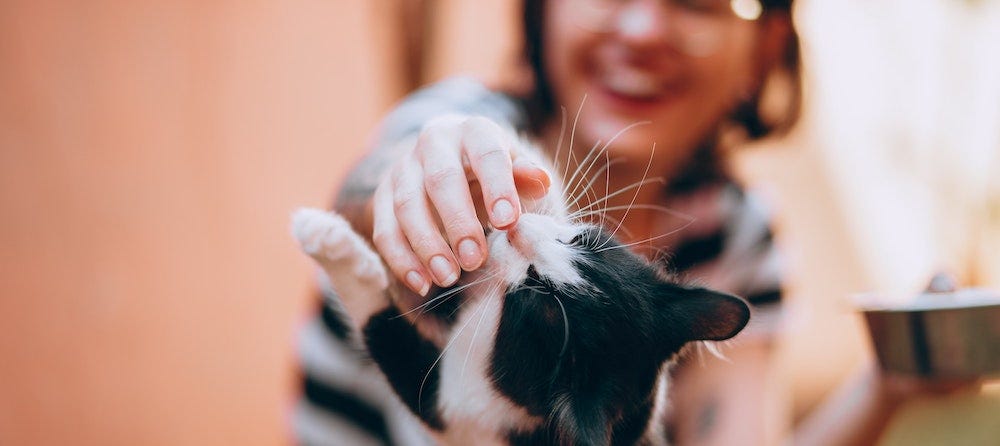
Cat owners often describe their pets as calming, comforting presences in their lives. Whether your cat curls up beside you while you read, follows you around the house, or greets you at the door after work, those small interactions can create a strong emotional bond.
Cats can add routine and joy to everyday life
Feeding times, play sessions, grooming, and other daily care tasks can help create structure and consistency. Many cat owners find that caring for a pet adds purpose and positive moments to their day.
Do cats love their owners?
Absolutely, cats can and do form strong bonds with their owners.
Research from Oregon State University found that many cats display secure attachment behaviors toward their caregivers, similar to those seen in dogs and even human infants. That means cats often look to their trusted humans for comfort and security.
The challenge is that cats tend to show affection differently than dogs.
Instead of excited greeting or constant attention seeking, cat affection often appears in more subtle ways:
- Slow blinks
- Purring
- Head bunting
- Following you from room to room
- Kneading
- Sleeping nearby
- Choosing to sit beside you
If your cat regularly seeks out your company, relaxes around you, or shows these behaviors, there's a good chance they're expressing affection.
Why cats make such good pets for busy people
For people with demanding schedules, cats often strike a nice balance between companionship and independence.
Unlike dogs, cats odn't require outdoor bathroom breaks several times a day. Many can comfortably spend reasonable periods alone while their owners work, attend classes, or run errands.
Other reasons busy people often choose cats include:
- No daily walks required
- Lower grooming needs for many breeds
- Less space required
- Easier apartment living
- Flexible schedules
- Independent personalities
That combination makes cats particularly popular among students, professional, shift workers, and people living in urban environments.
Why are cats better than dogs for some people?
The question isn't really whether cats are better than dogs overall, but rather whether they're a better fit for a particular lifestyle.
For some people, cats have several advantages:
- Lower day-to-day maintenance
- Can be left alone for longer periods
- Naturally use a litter box
- Generally quieter than dogs
- Excellent for apartment living
- Typically require less outdoor time
- Often provide affection without constant attention demands
Cats are also meticulous self-groomers, which many owners appreciate.
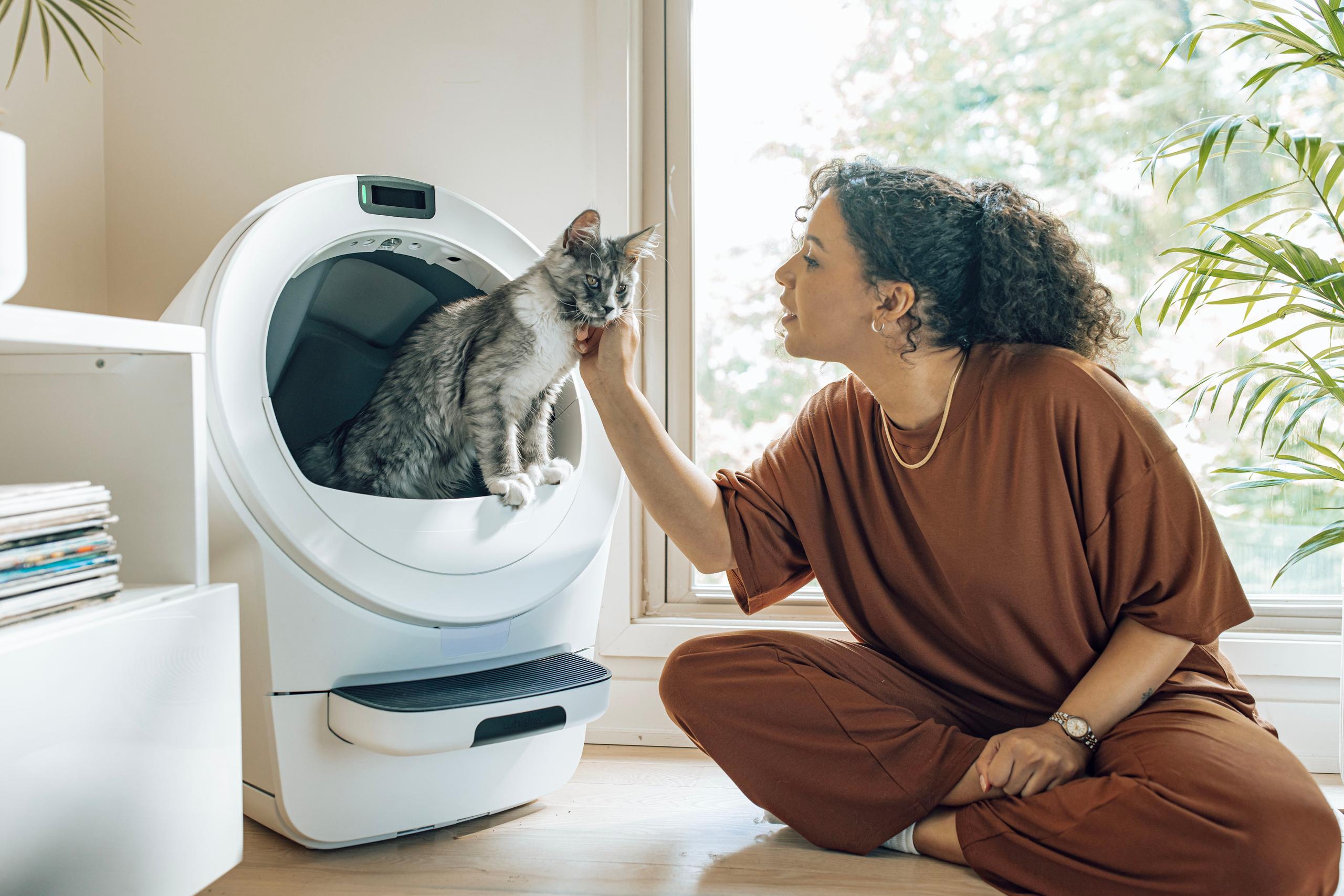
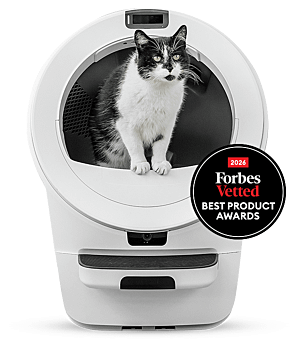
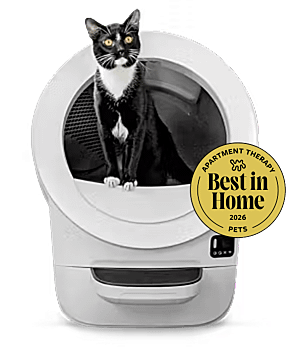
Modern conveniences like self-cleaning litter boxes can further reduce daily maintenance, making cat ownership even easier.
Of course, dogs may be a better choice for people who enjoy outdoor activities, training, hiking, or highly interactive companionship. If you're transitioning from dog ownership to cat ownership, understanding those differences can help set realistic expectations.
Cats can love you without being clingy
One of the things many cat owners appreciate most is what could be called "quiet companionship."
Cats often want to be near their people without demanding constant interaction. They may nap nearby while you work, sit beside you while you watch TV, or quietly follow you around the house.
For many people, this balance feels right. You get emotional connection and companionship without feeling responsible for entertaining your pet every waking moment. Their affection may be subtle, but that doesn't make it any less meaningful.
The emotional benefits of having a cat
For many people, cats contribute positively to emotional well-being. While cats aren't a substitute for professional mental health care, many owners report feeling calmer, less lonely, and more relaxed when spending time with their pets.
Potential emotional benefits include:
- Reduced feelings of loneliness
- Increased sense of companionship
- Improved daily routine
- Comfort during stressful periods
- Positive social and emotional interactions
Research on human-animal interactions has also found associations between pet ownership and reduced stress markers, although these benefits can vary from person to person.
Cats are especially good pets for kids, older adults, and first-time pet owners
For kids
Cats can help children learn empathy, responsibility, and respect for animals. Many cats enjoy gentle interaction and can become beloved family companions.
For older adults
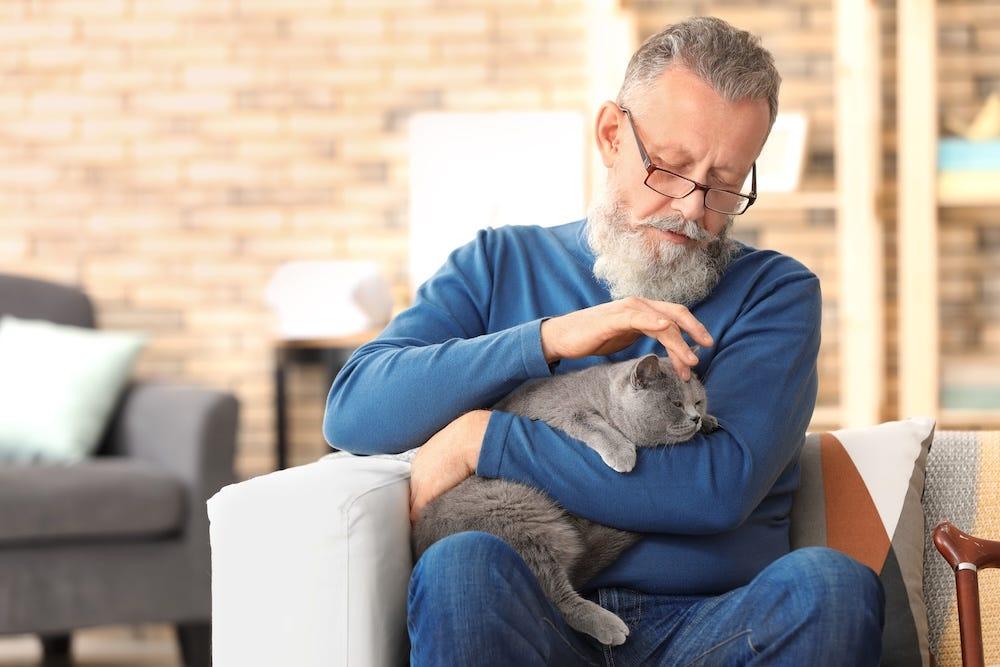
Cats often provide companionship, routine, and emotional support without requiring extensive physical activity. Their relatively low-maintenance care needs can make them a good fit for many older adults.
For first-time pet owners
Many first-time pet owners find cats easier to manage than dogs because they generally require less training, less space, and fewer daily time commitments.
That said, cats still require veterinary care, enrichment, attention, and long-term commitment.
What cat affection actually looks like
If you've ever wondered whether your cat loves you, these common behaviors often indicate trust and affection.
Slow blinks
Often called a "cat kiss," slow blinking is a sign that your cat feels relaxed and safe around you.
Head bunting
When cats rub their heads against you, they're depositing scent and marking you as part of their trusted social group.
Kneading
That rhythmic paw-pushing behavior often reflects comfort and contentment.
Following you from room to room
Many cats enjoy being near their favorite people, even if they aren't actively seeking attention.
Sleeping nearby
Cats are vulnerable when they sleep. Choosing to rest near you can be a strong sign of trust.
Sitting on or next to you
Whether they're curled up in your lap or simply sharing the couch, many cats show affection by simply choosing your company.
When cats may not be the best pet choice
Cats aren't the perfect pet for everyone. You many struggle with cat ownership if:
- You want a highly trainable companion
- You dislike litter box maintenance
- Pet hair bothers you
- You want a pet that enjoys outdoor adventures
- You dislike nighttime activity or occasional zoomies
Some people simply prefer the personality and lifestyle that comes with dog ownership, and that's perfectly okay.
How to make cat ownership even easier
Much of the enjoyment of having a cat comes from creating systems that make daily care simple and stress-free. Some ways to make life easier include:
- Keeping feeding routine consistent
- Providing plenty of enrichment and play opportunities
- Creating comfortable resting areas
- Maintaining regular veterinary care
- Using appropriate scratching surfaces
- Keeping litter boxes clean and accessible
Many owners also find that upgrading their litter box setup can dramatically reduce one of the least enjoyable parts of cat ownership. The easier daily care becomes, the easier it is to focus on the companionship and benefits of having a cat.