

It’s not uncommon for pet parents to want to bring their cat with them when they travel. Some, however, worry that travel might be stressful, or even cruel, for their feline friend.
In short, traveling with a cat isn’t automatically cruel. That said, many cats find the unfamiliar motion, noises, carriers, and changes to their routine stressful. For some cats, staying home with a pet sitter, an automatic feeder, and a reliable litter box set up may actually be the kinder option.
The main question isn’t, “is it cruel to travel with a cat?” It’s whether this specific trip is appropriate for your specific cat. This guide can help you decide.
In this article
- Is it cruel to travel with a cat?
- How to tell whether your cat should travel or stay home
- How to travel with a cat
- Traveling with cats in car long distance
- Is it cruel to take a cat on a plane?
- When leaving your cat at home is the kinder choice
- A simple rule of thumb: move with your cat, vacation without them
- If you do need to travel with your cat, make the trip as stress-free as possible
Is it cruel to travel with a cat?
No, it’s not inherently cruel to travel with a cat.
Some cats adapt surprisingly well to road trips, hotel stays, and even air travel when they’re properly prepared. Others become extremely anxious, refuse to eat, get motion sick, or struggle to recover from the stress of travel.
Whether travel is appropriate depends on several factors, including:
- Your cat’s temperament
- Age and health
- Previous travel experiences
- Length of the trip
- Type of transportation
- The environment at your destination
For example, moving across the country with your cat is usually unavoidable and worth preparing for. Bringing a cat on a three-day vacation simply because you don’t want to leave them home may not be in their best interest.
How to tell whether your cat should travel or stay home
Before making plans, ask yourself a few questions about your cat.
Your cat may be a good travel candidate if:
- They’ve tolerated carrier rides well in the past
- They recover quickly after car trips
- They’re confident and curious in new environments
- The destination will be quiet, safe, and pet-friendly
- The trip is necessary, such as a relocation
Your cat may be better off staying home if:
- They panic in a carrier
- They drool, vomit, or vocalize excessively during car rides
- They hide for hours or days after stressful events
- The trip is short and optional
- A trusted sitter can provide consistent care at home
When working through your options, try to focus on your cat’s welfare rather than your own desire to keep them with you.
How to travel with a cat
If you decide travel is the right choice, preparation can make a world of difference.
Start with carrier training
Many cats only see their carrier when it’s time to visit the vet, which can create negative associations.
Leave the carrier out year-round with comfortable bedding inside. Offer treats, meals, and toys near or inside the carrier so your cat begins viewing it as a safe space rather than a warning sign.
Practice short trips first
Before a long journey, take your cat on several short drives.
Start with trips around the block and gradually increase the duration. This helps your cat build confidence while allowing you to identify potential issues such as anxiety or motion sickness.
Keep your cat securely contained
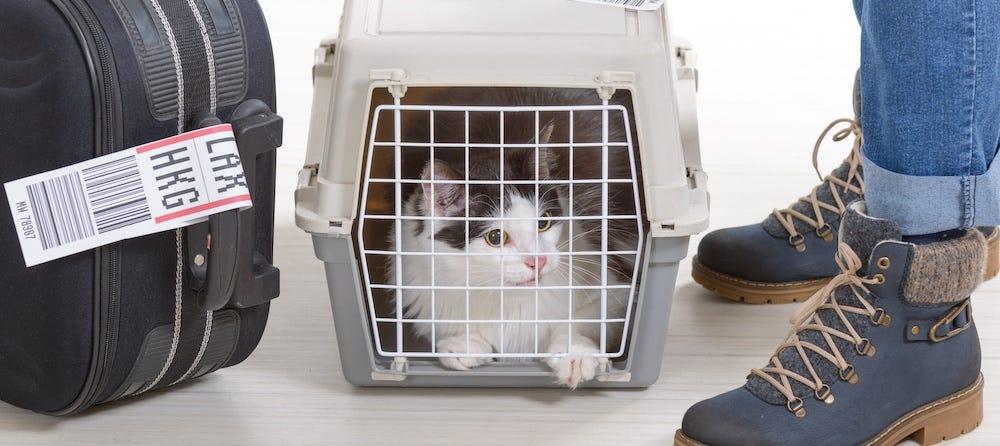
Cats should always travel inside a secure carrier. Allowing a cat to roam freely inside a vehicle creates safety risks for both the cat and the driver.
Bring familiar scents
Pack familiar bedding, blankets, toys, or clothing that smells like home. Familiar scents can help reduce anxiety in unfamiliar environments.
Plan ahead for food, water, and bathroom breaks
Think through your route and accommodations before you leave. Make sure you have a plan for:
- Feeding schedules
- Fresh water access
- Litter box breaks
- Overnight accommodations
- Emergency veterinary care if needed
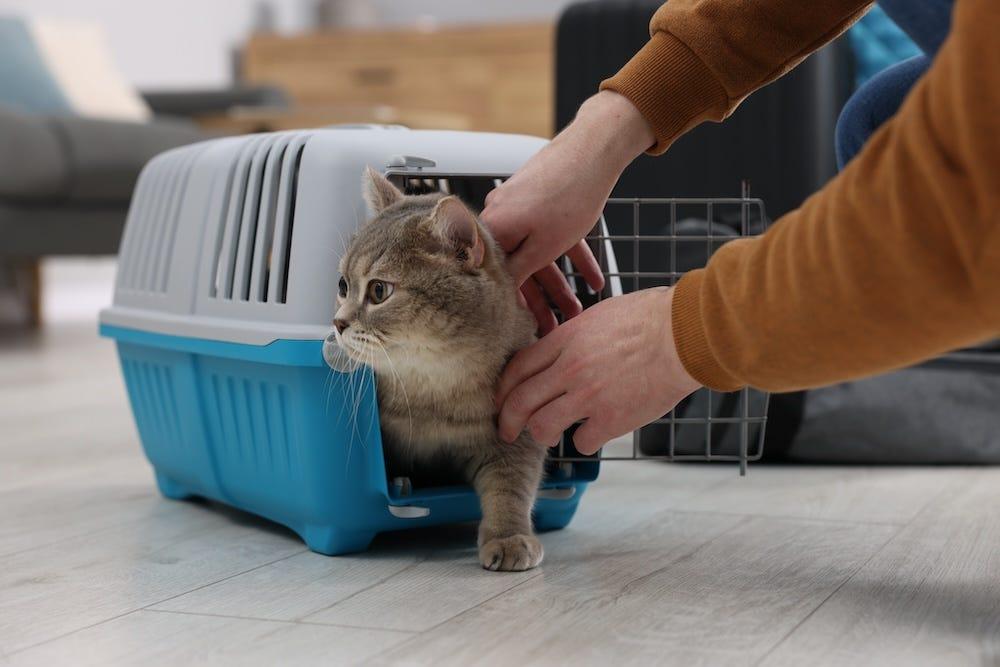
Traveling with cats in car long distance
Long-distance car travel is often easier for cats than air travel, but it still requires preparation.
Your cat should stay securely contained throughout the trip, even during rest stops. Opening a carrier outside can create escape risks.
Other tips for long road trips include:
- Test-drive your setup before travel day
- Keep the vehicle at a comfortable temperature
- Secure the carrier so it won’t slide around
- Minimize loud music and sudden movements
- Plan safe rest stops when needed
Most importantly, never leave a cat unattended in a parked vehicle. Temperatures can become dangerous very quickly, even on mild days.
Do cats get car sick?
Yes, cats can get car sick. Motion sickness is fairly common, particularly with younger cats that don’t travel often.
Signs of motion sickness can include:
- Drooling
- Lip licking
- Restlessness
- Vocalizing
- Vomiting
- Refusing food
If your cat struggles with car rides, talk to your vet before a long trip. They may recommend anti-nausea medication, anti-anxiety medication, or adjustments to your travel route.
Some veterinarians also recommend avoiding large meals shortly before departure to help reduce nausea.
Is it cruel to take a cat on a plane?
Not necessarily, but air travel is often more stressful than car travel.
Airports are noisy, crowded, and unpredictable. Cats may experience multiple stressors in a short period of time, including:
- Security screenings
- Loud announcements
- New smells
- Crowded waiting areas
- Aircraft noises and vibrations
For necessary moves or relocations, flying may be the most practical option. For optional vacations, however, many cats may be happier staying home.
If you do need to fly with your cat:
- Research airline policies well in advance
- Confirm carrier size requirements
- Schedule a vet checkup before travel
- Make sure your cat is microchipped and wearing identification
- Practice carrier training beforehand
For cats that already struggle with carriers or car rides, plane travel can be especially challenging.
When leaving your cat at home is the kinder choice
Many cats are creatures of habit. They feel safest when they can predict their environment, routines, and resources. For those cats, remaining in familiar territory may be significantly less stressful than traveling.
A short vacation often doesn’t justify the challenges of car rides, airports, new smells and people, and other routine disruptions. In many instances, staying home with proper care gives your cat the best welfare outcome.
When leaving your cat behind may be better than bringing them
Consider leaving your cat home if:
- Your cat hates the carrier
- Your cat gets car sick
- Your cat stops eating after stressful events
- Your cat hides after visitors or routine changes
- The trip is only a few days long
- The destination is noisy, busy, or not pet-friendly
- Your cat has anxiety or medical issues
How to leave your cat home safely while you travel
If your cat stays home, maintaining normal routines becomes the priority. Arrange for:
- A trusted pet sitter for daily check-ins
- Consistent feeding schedules
- Fresh water
- Litter box maintenance
- Emergency contact information
- Veterinary contact information
The more predictable your cat’s routine remains, the easier the transition is likely to be.
Tools that make your cat’s home stay easier

Automatic pet feeders:
Consistency matters when you’re away.
Automatic feeders can help maintain regular meal schedules and reduce the workload for pet sitters. They’re especially useful for short trips but shouldn’t replace human supervision when a cat needs medication or health monitoring.
Automatic litter boxes:
Litter box maintenance is often one of the biggest challenges when leaving a cat at home.
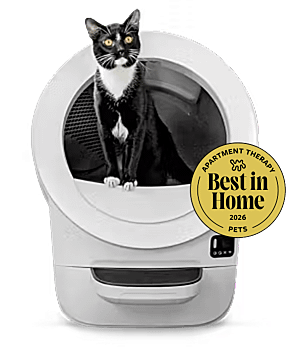
A self-cleaning litter box like Litter-Robot can help keep the litter area cleaner between visits, reduce scooping responsibilities for sitters, and maintain a more consistent bathroom experience for your cat.
It’s not a substitute for checking on your cat, but it can make caring for them during your absence much easier.
A simple rule of thumb: move with your cat, vacation without them
While every cat is different, a useful rule of thumb is this: Move with your cat, vacation without them.
Major life changes like relocating to a new home usually justify the effort required to travel safely with your cat. Optional vacations are different.
For many cats, remaining in their familiar environment with reliable care is less stressful than enduring transportation, hotels, and constant changes in routine.
If your cat truly enjoys travel, that’s wonderful! But for the average cat, familiar territory often wins.
If you do need to travel with your cat, make the trip as stress-free as possible
Before leaving, run through this checklist:
- Carrier training completed
- Veterinary consultation scheduled
- Trial medications tests at home (if prescribed)
- Familiar blanket packed
- Food and water plan prepared
- Portable litter setup ready
- Identification tags updated
- Microchip information verified
- Medical records accessible
- Climate-safe transportation arranged
A little preparation can make a huge difference in your cat’s comfort and safety.
So, is it cruel to travel with a cat? Not necessarily. Some cats handle travel well and can safely accompany their families on major moves and certain trips. Others find travel highly stressful and are much happier staying home.
The best choice depends on your cat’s personality, health, and experience. When in doubt, focus on what creates the least stress and the most stability for your cat — not what’s most convenient for you. In many cases, that means keeping your cat comfortable at home while you travel.