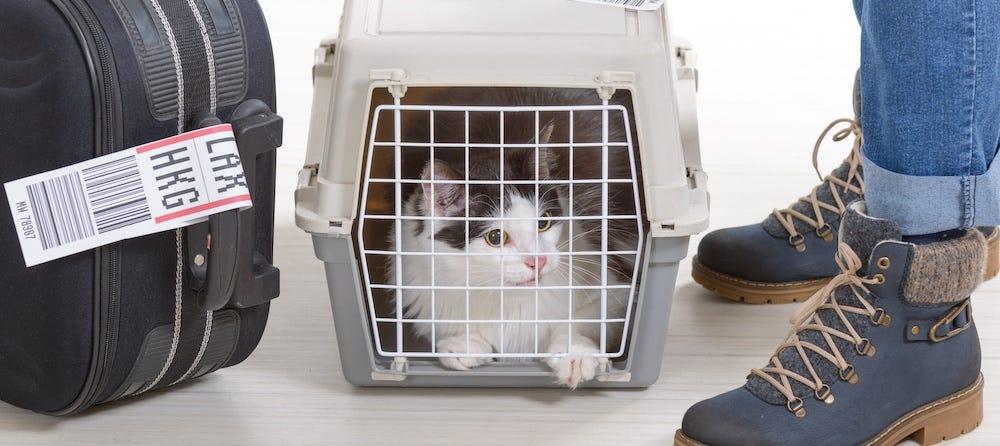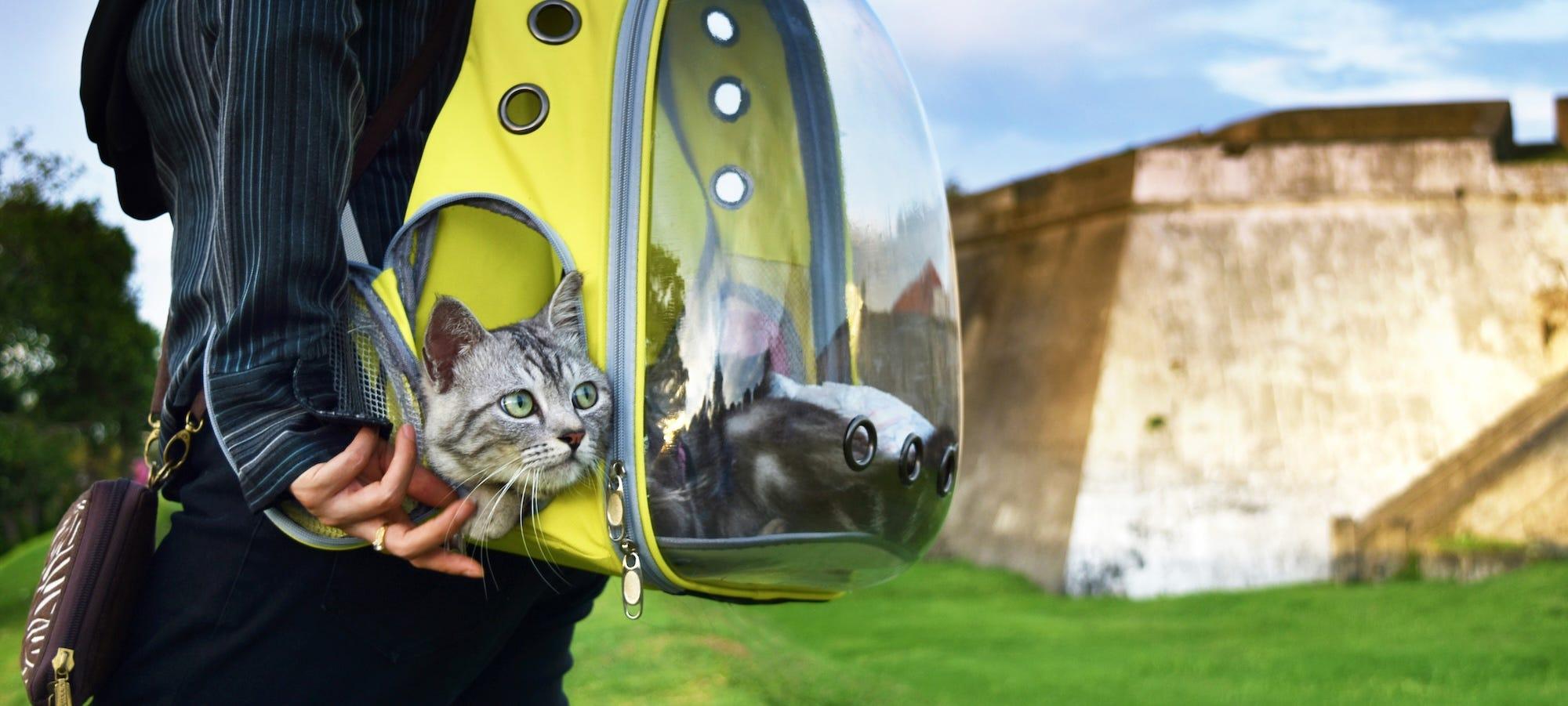
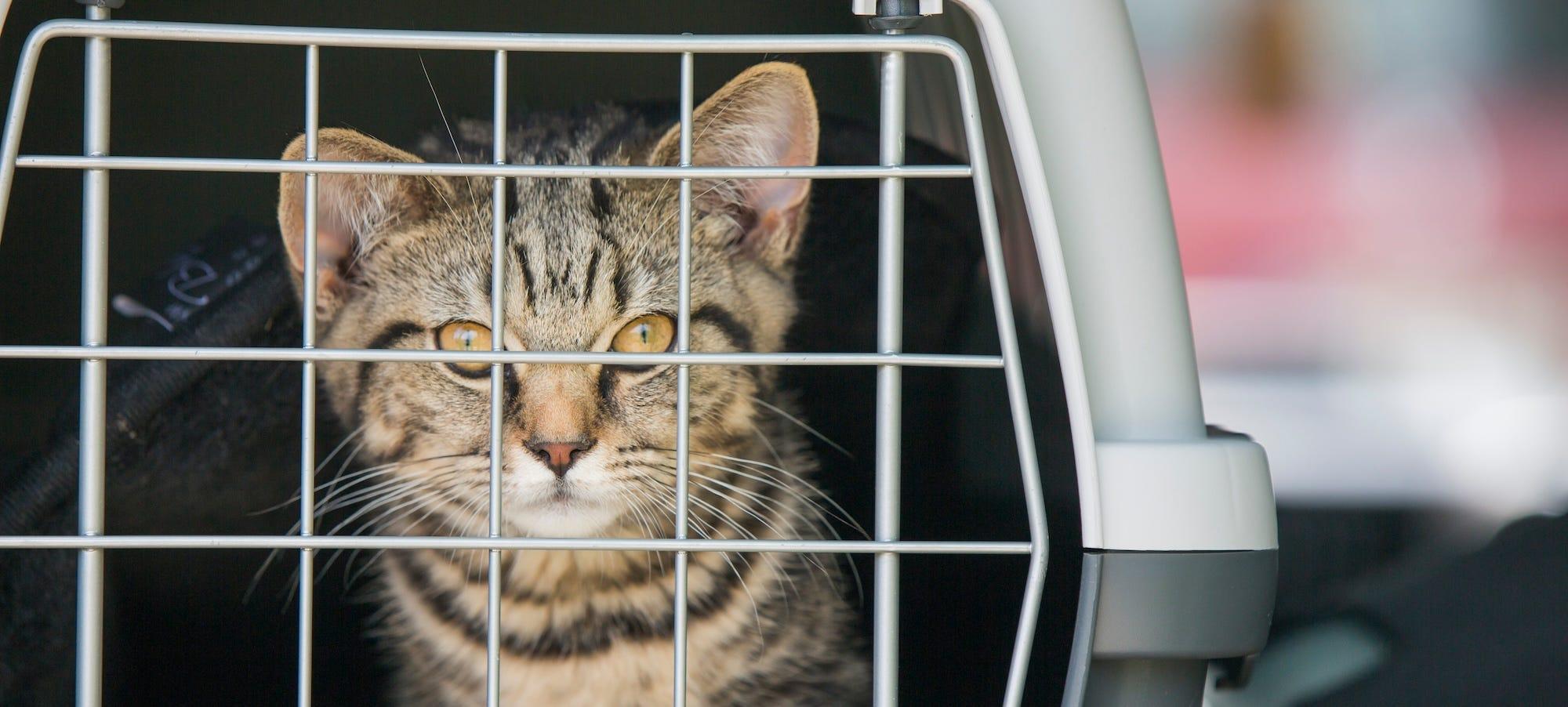


Flying with a cat is possible, but it takes more planning than simply putting your cat in a carrier and heading to the airport. From airline restrictions to security procedures and carrier requirements, many of the biggest challenges happen when pet parents wait too long to prepare.
With the right preparation, some cats can handle air travel safely and comfortably. The key is knowing your cat’s personality, understanding the rules for your specific airline and route, and deciding whether flying is truly the best option for your cat.
This guide covers what to know before flying with a cat, how to prepare, what to pack, and when staying home may actually be the kinder choice.
In this article
- Flying with a cat: What to do before you book
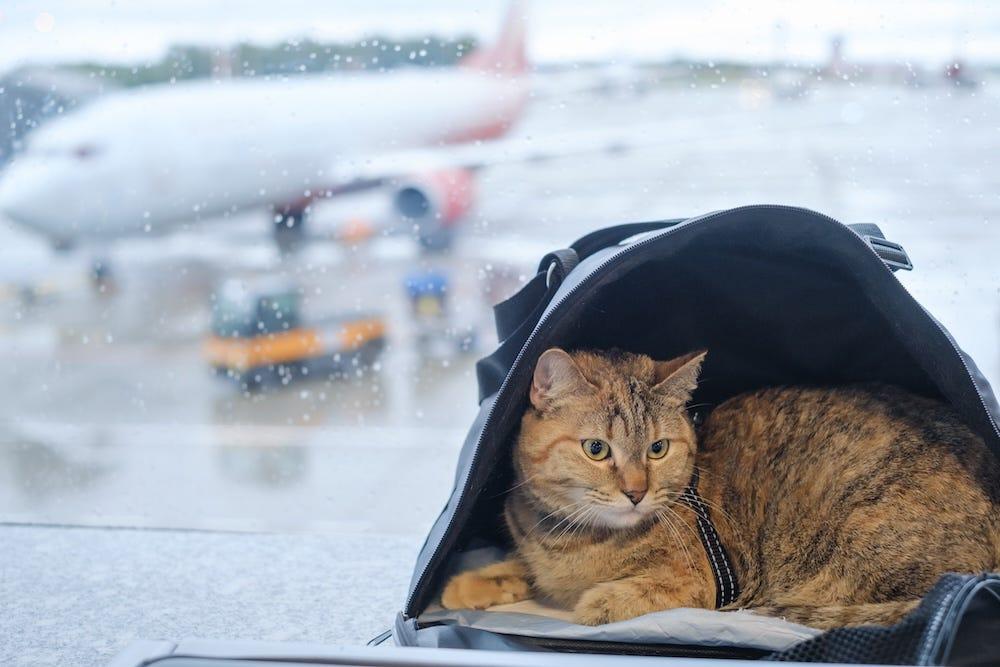
- Airline guidelines for flying with a cat
- How to prepare your cat for a flight
- What to pack when flying with a cat
- What happens at the airport when flying with a cat?
- What to expect on the plane
- When not to fly with a cat
- Common mistakes people make when flying with a cat
- When leaving your cat at home is the kinder choice
- A simple rule of thumb: move with your cat, vacation without them
- If you do need to fly with your cat, make the trip as stress-free as possible
- FAQ
Flying with a cat: What to do before you book
Before you buy your ticket, make sure flying is the right choice for your cat and your specific trip. Some cats adjust well to travel with proper training, while others experience significant stress from carriers, unfamiliar sounds, crowds, and changes to their routine.
Start by asking:
- Has your cat handled short carrier trips well in the past?
- Does your cat become extremely stressed during car rides or vet visits?
- Is this a necessary trip, such as a move, or an optional vacation?
- Will your destination be calm, safe, and cat-friendly?
- Would a trusted pet sitter allow your cat to stay comfortable at home instead?
You’ll also need to check airline requirements before booking. Airlines have their own rules about pet availability, carrier size, fees, age requirements, and whether cats can travel in the cabin.
Don’t assume that because one airline allows cats, another will have the same policies.
Airline guidelines for flying with a cat
|
Airline |
In-cabin cats |
Notable current guidelines |
What to verify before booking |
|
Delta |
Yes |
Small cats can travel in-cabin on eligible routes. Delta recommends a soft-sided kennel up to about 18" x 11" x 11" for many aircraft, and lists a $150 each-way domestic pet fee for qualifying itineraries issued on or after April 8, 2025. Pet spots are limited and some seats/cabins are restricted. |
Route eligibility, seat restrictions, destination exceptions, pet-space availability |
|
United |
Yes |
United allows cats in-cabin under its pet rules. Its current official snippet says kittens must be 4 months old to meet vaccination requirements. Because United’s pet page is JS-heavy, the article should direct readers to confirm current route, carrier, and seating restrictions before purchase. |
Pet-space availability, carrier fit, route-specific restrictions, age/document rules |
|
American Airlines |
Yes |
American says carry-on pets are limited to cats and dogs that meet size, age, and destination requirements. It also notes checked pets are generally limited, with exceptions for certain official military / Foreign Service travel. |
Destination eligibility, carry-on size rules, airport payment/check-in details, any route limits |
|
Southwest |
Yes |
Southwest’s pet policy allows pets with a reservation and requires them to stay secured in the carrier in the gate area and for the entire flight. Southwest’s optional-fees page lists a $125 one-way U.S. mainland carry-on pet charge and $35 between Hawaiian Islands. Exit rows and seats without under-seat stowage are not allowed for pet travelers. |
Pet reservation availability, under-seat carrier fit, seating restrictions, airport process |
|
Alaska Airlines |
Yes |
Alaska accepts small pets including house cats in the cabin for $100 each way per kennel/carrier and $35 wholly within Hawaiʻi, subject to space availability. It notes pets are first come, first served, and only dogs/cats may travel in-cabin to or from Hawaiʻi and international locations. |
Space availability, Hawaii/international limits, carrier requirements, booking timing |
|
JetBlue |
Yes |
JetBlue says it accepts small dogs and cats in the cabin, does not carry pets in cargo, and lists a pet-carrier maximum of 17" x 12.5" x 8.5" on the referenced page. International requirements vary by route and timing. |
Carrier dimensions, international paperwork, route restrictions, pet add-on availability |
How to prepare your cat for a flight
The carrier is often the first major source of stress for cats, especially if they only see it when it is time for a stressful event like a vet visit or travel day.
Preparing your cat well before your flight can make the experience much smoother.
Start carrier training early
Instead of bringing out the carrier only before travel, make it part of your cat’s normal environment.
Try:
- Leaving the carrier open at home so your cat can explore it
- Adding familiar bedding or a blanket
- Rewarding your cat for calmly entering the carrier
- Feeding treats or meals near the carrier
The goal is to help your cat view the carrier as a safe space rather than a warning that something stressful is about to happen.
Practice short trips first
Before a flight, take short practice rides in the carrier. Start with brief trips and slowly increase the length if your cat stays comfortable.
This can help you identify problems early, such as:
- Motion sickness
- Excessive vocalization
- Panic behaviors
- Extreme stress responses
If your cat struggles with travel, talk with your veterinarian before the flight. They can help you decide whether additional support, such as medication for anxiety or nausea, may be appropriate.
What to pack when flying with a cat
A little preparation can prevent a lot of stress on travel day. Your cat’s travel bag should include:
- Airline-approved soft-sided carrier (if required by your airline)
- Absorbent carrier liner or extra pads
- Health records and required travel documents
- Harness and leash for security during airport screening
- Small cleanup kit with wipes and waste bags
- Familiar blanket or bedding
- Food and water plan for before and after the flight
- Any medications your cat needs
Remember that your cat will likely spend the majority of the airport and flight experience inside the carrier, so comfort and safety matter more than packing lots of extra items.
What happens at the airport when flying with a cat?
Airports can be one of the most stressful parts of flying with a cat. New smells, loud announcements, crowds, and unfamiliar handling can overwhelm some cats.
Plan to arrive early. Many airlines recommend arriving several hours before departure when traveling with a pet because check-in procedures may take longer.
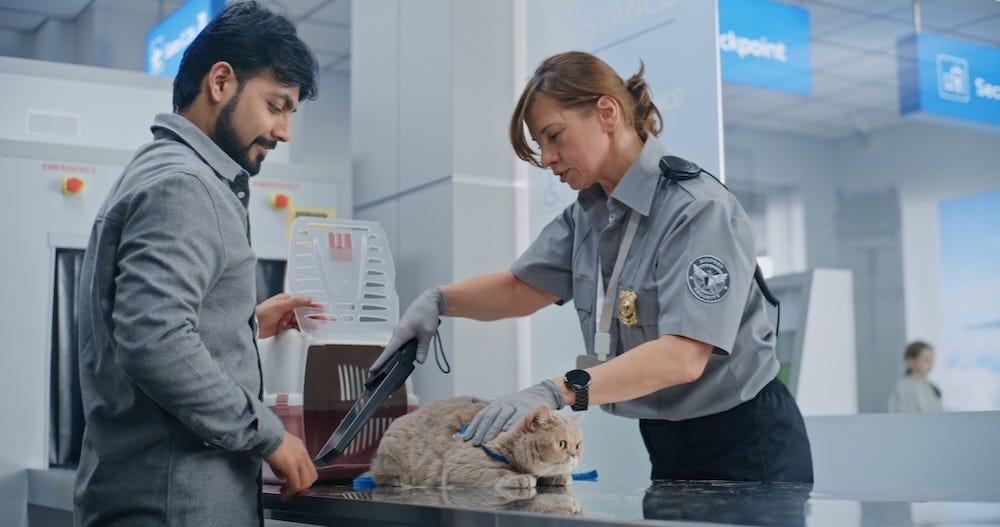
At security, you should expect that you may need to remove your cat from the carrier while the carrier goes through screening.
Because airports are unfamiliar environments, keep your cat secure:
- Use a harness and leash before removing them from the carrier
- Avoid opening the carrier unless you are in a secure location
- Return your cat to the carrier immediately after screening
Never assume your cat will calmly stay in your arms in a busy airport. Even normally relaxed cats can panic when surrounded by unfamiliar sights and sounds.
What to expect on the plane
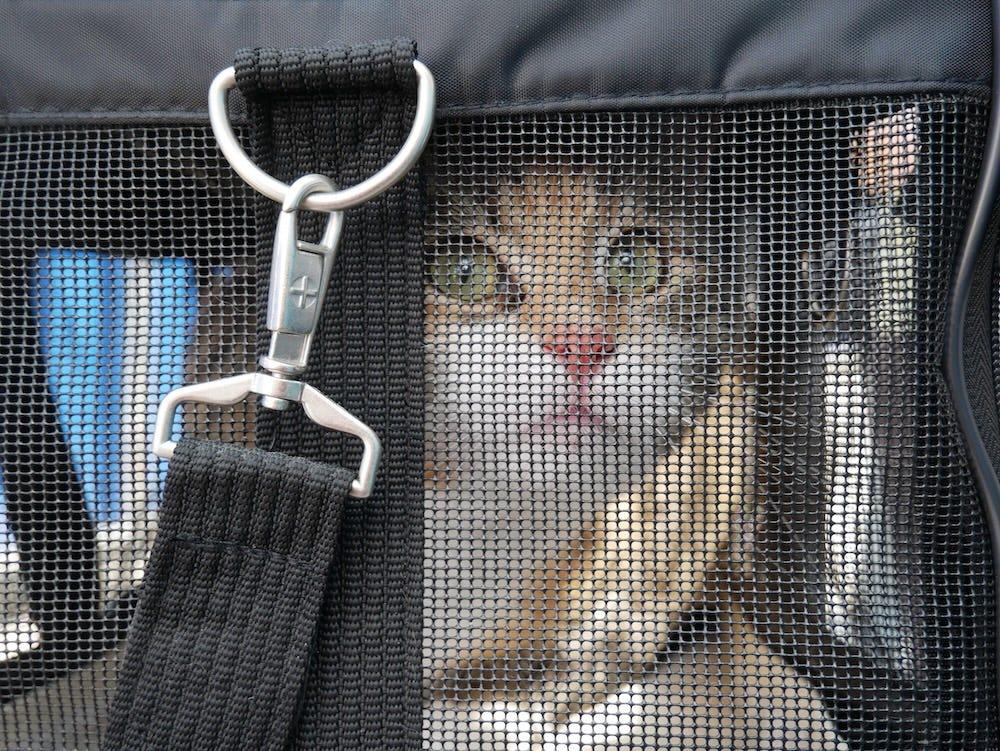
Most cats traveling in the cabin will remain inside their carrier for the entire flight.
Before booking, confirm:
- Your airline allows cats on your route
- Your carrier meets size requirements
- Your seat location allows an in-cabin pet
- Your cat will be comfortable remaining inside the carrier
Airline policies can vary significantly. For example, both Delta Air Lines and United Airlines have specific requirements for in-cabin pets, including carrier rules and availability limitations.
A cat who is comfortable in their carrier at home is much more likely to handle the flight experience successfully.
When not to fly with a cat
Not every cat should travel by plane. For some cats, staying home with reliable care is less stressful than navigating airports, flights, and unfamiliar locations.
Flying may not be the best choice if your cat:
- Becomes extremely fearful in a carrier
- Has severe motion sickness
- Hides, stops eating, or shows prolonged stress after changes
- Has medical conditions that make travel risky
- Would be traveling through a long, complicated route with multiple connections
A necessary move is a different situation than a short vacation. For many optional trips, keeping your cat in their familiar environment may provide better overall comfort.
Common mistakes people make when flying with a cat
Many travel problems can be avoided with earlier planning. Common mistakes include:
Booking before confirming pet availability
Some airlines limit the number of pets allowed in the cabin, so your cat’s spot may need to be confirmed before you finalize your plans.
Skipping carrier training
A carrier that only appears on stressful days can make your cat more anxious about travel.
Assuming all airlines have the same rules
Carrier sizes, fees, documentation, and pet policies vary between airlines and destinations.
Choosing the wrong carrier
Your favorite everyday carrier may not meet airline requirements. Always check your airline’s current size restrictions before traveling.
Waiting too long on paperwork
Some destinations require health certificates, vaccinations, or additional documentation. Waiting until the last minute can create unnecessary stress.
When leaving your cat at home is the kinder choice
Although flying with a cat is possible, many cats are happiest staying in familiar surroundings.
Cats are creatures of habit. Their home has familiar smells, hiding spots, feeding routines, and their preferred litter setup. For some cats, those comforts matter more than joining a trip.
If you leave your cat home, focus on maintaining their routine:
- Hire a trusted pet sitter or arrange daily check-ins
- Keep feeding schedules consistent
- Make sure fresh water is always available
- Keep litter care simple and predictable
- Leave emergency contact information for your caregiver
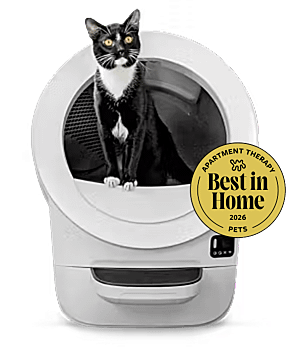
A self-cleaning litter box can also help reduce daily scooping responsibilities while you are away. It can keep the litter area cleaner and make care easier for a sitter, but it should always be part of a larger care plan — not a replacement for human check-ins.
A simple rule of thumb: move with your cat, vacation without them
For major life changes like relocating, flying with your cat may be the best option because your cat needs to transition with your household. For short vacations, many cats are better off staying home with dependable care.
The best travel decision depends on your cat’s personality, health, comfort level, and the type of trip you are taking.
If you do need to fly with your cat, make the trip as stress-free as possible
If flying is the right choice, preparation is your best tool.
Before travel day:
- Practice carrier time well in advance
- Schedule a veterinary check if needed
- Confirm airline and destination requirements
- Bring familiar bedding
- Plan food, water, and bathroom needs
- Pack health records and identification
- Keep your cat secure throughout the journey
- Monitor your cat for signs of stress
With thoughtful preparation, flying with a cat can be manageable. The goal is not simply getting your cat from one place to another, it’s making sure the journey is as safe and comfortable as possible.
FAQ
Can cats fly on airplanes?
Yes, many cats can fly on airplanes, especially in the cabin. However, airline policies vary, and not every cat will tolerate air travel well.
Is flying stressful for cats?
Flying can be stressful because of carriers, crowds, unfamiliar sounds, and changes to routine. Some cats adapt better than others.
What is the best carrier for flying with a cat?
The best carrier is one that meets your airline’s size requirements, provides ventilation, and allows your cat to remain comfortable during travel.
Should I sedate my cat before flying?
Never give your cat medication for travel unless your veterinarian recommends it. Some medications can have risks, and your vet can help determine the safest option.
Is it better to leave my cat home while I travel?
For many cats, yes. If the trip is optional, a trusted caregiver and a familiar home environment may be less stressful than traveling.