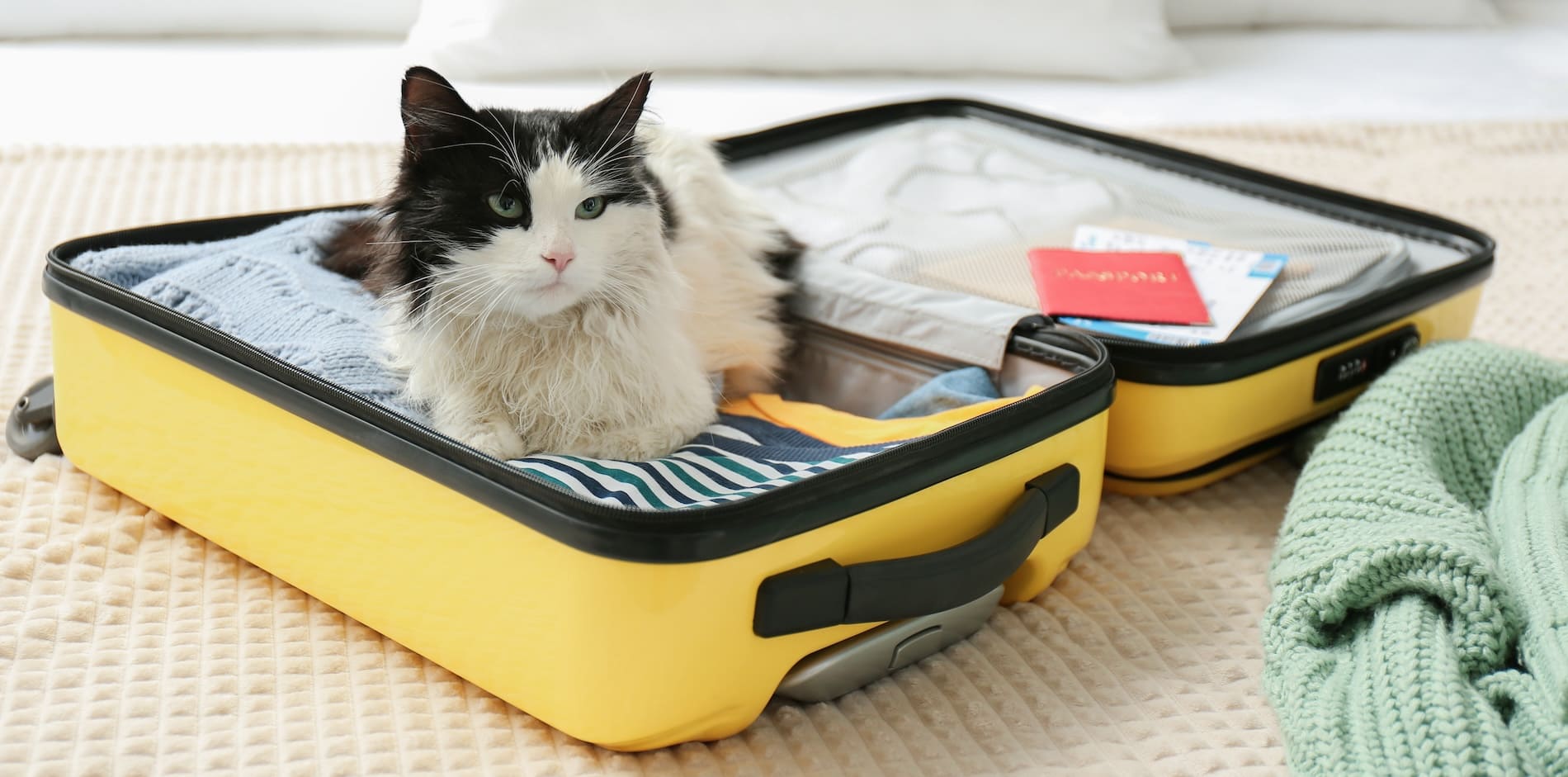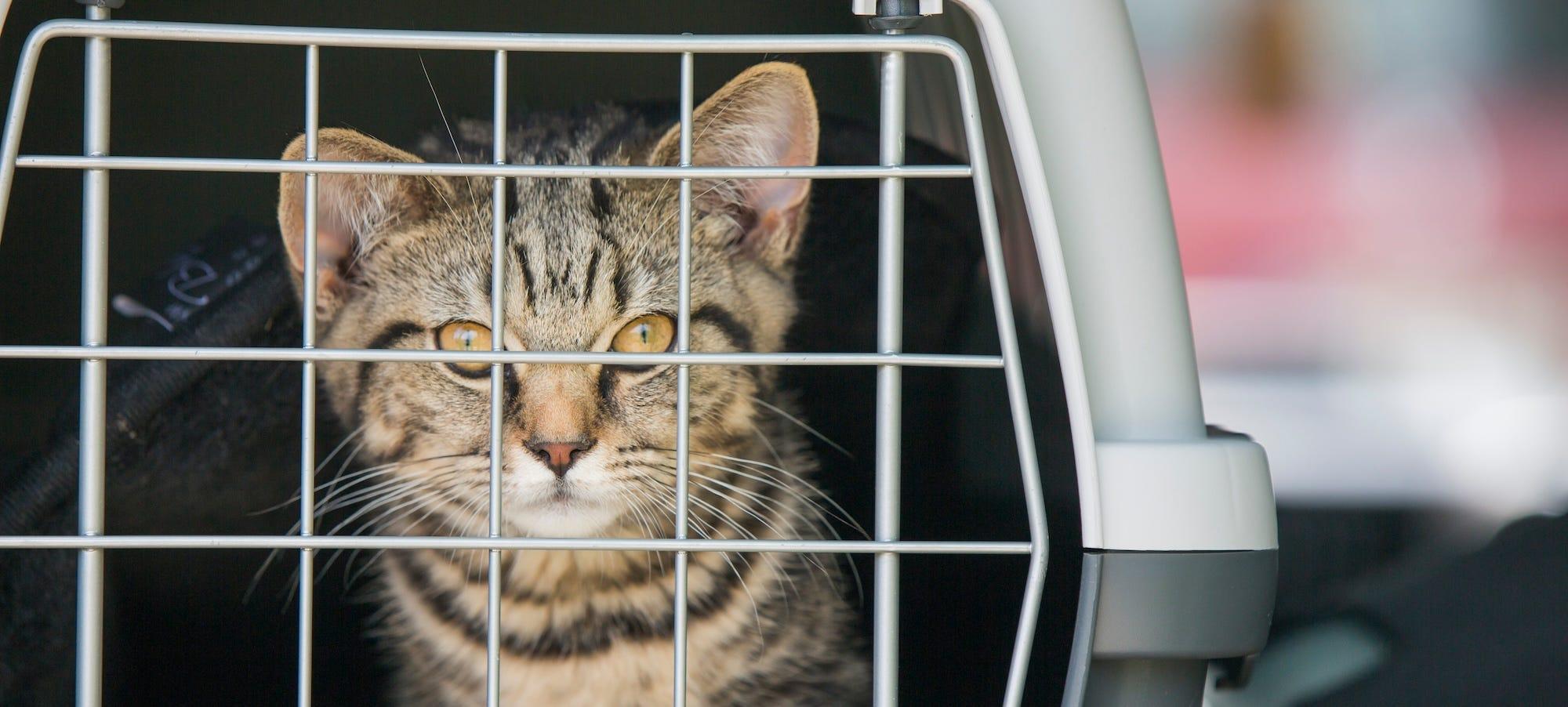


Some cats ride in the car like it's nothing. They sit in the carrier, watch the scenery, and go back home like it was only a minor inconvenience. Most cats are not those cats.
If you're trying to decide whether to bring your cat on a trip, this article is a decision guide, not a checklist of gear to buy. The honest answer is that travel suits some cats and genuinely stresses others. Knowing which category your cat falls into is the most useful thing you can figure out before you book anything.
In this article
- Why travel is hard for many cats
- Signs your cat will tolerate travel
- Signs your cat won't tolerate travel well
- Cat travel tolerance: Green, yellow, and red flags
- How to test whether your cat can handle travel before the actual trip
- Factors that affect whether a cat can learn to tolerate travel
- When to talk to your vet before traveling
- Travel may be the wrong goal for some cats – and that's okay
- If the trip is unavoidable, how to improve the odds
Why travel is hard for many cats
Cats are routine-driven and territory-oriented
Cats are not wired for novelty the way dogs often are. They're territorial animals who derive a lot of their sense of security from familiar smells, predictable routines, and knowing the layout of their environment. Home is not just comfortable for a cat. It's functional. They know where everything is, they feel in control, and their stress baseline stays low.
Travel dismantles most of that at once.
What actually stresses cats during travel
It's rarely just one thing. Motion sickness is real, but it's often layered on top of other stressors: confinement in a carrier, unfamiliar sounds, unfamiliar smells, breaks in routine, and a strong association between the carrier and the vet. By the time you're pulling out of the driveway, your cat may already be stressed before the car moves at all.
That combination is worth taking seriously. Chronic or repeated stress in cats isn't just unpleasant in the moment. It can suppress immune function, trigger urinary issues, and cause behavioral changes that outlast the trip itself.
Signs your cat will tolerate travel
Some cats genuinely do fine. The indicators worth looking for:
- They recover quickly when routines get disrupted
- They enter the carrier without a fight, or at least without panic
- They handle car rides to the vet without major distress
- They stay curious rather than shutting down in new environments
- They keep eating, drinking, grooming, and using the litter box normally during disruptions
- Their body language stays loose: normal posture, relaxed tail, no constant hiding
No cat loves travel. But cats who tolerate it tend to show resilience across the board. Disruption doesn't derail them for long.
Signs your cat won't tolerate travel well
These are the signs I take seriously:
- Panic in the carrier– not just protest, but genuine distress
- Intense vocalizing, drooling, open-, or vomiting from stress
- Freezing, hiding, or escape attempts when routines shift
- Stopping eating, drinking, or using the litter box in unfamiliar settings
- Aggression or hypervigilance that isn't typical at home
- A history of short trips going badly
If your cat checks multiple boxes here, that's meaningful information. It doesn't mean travel is impossible, but it does mean you need to go in with a plan and realistic expectations.
Cat travel tolerance: Green, yellow, and red flags
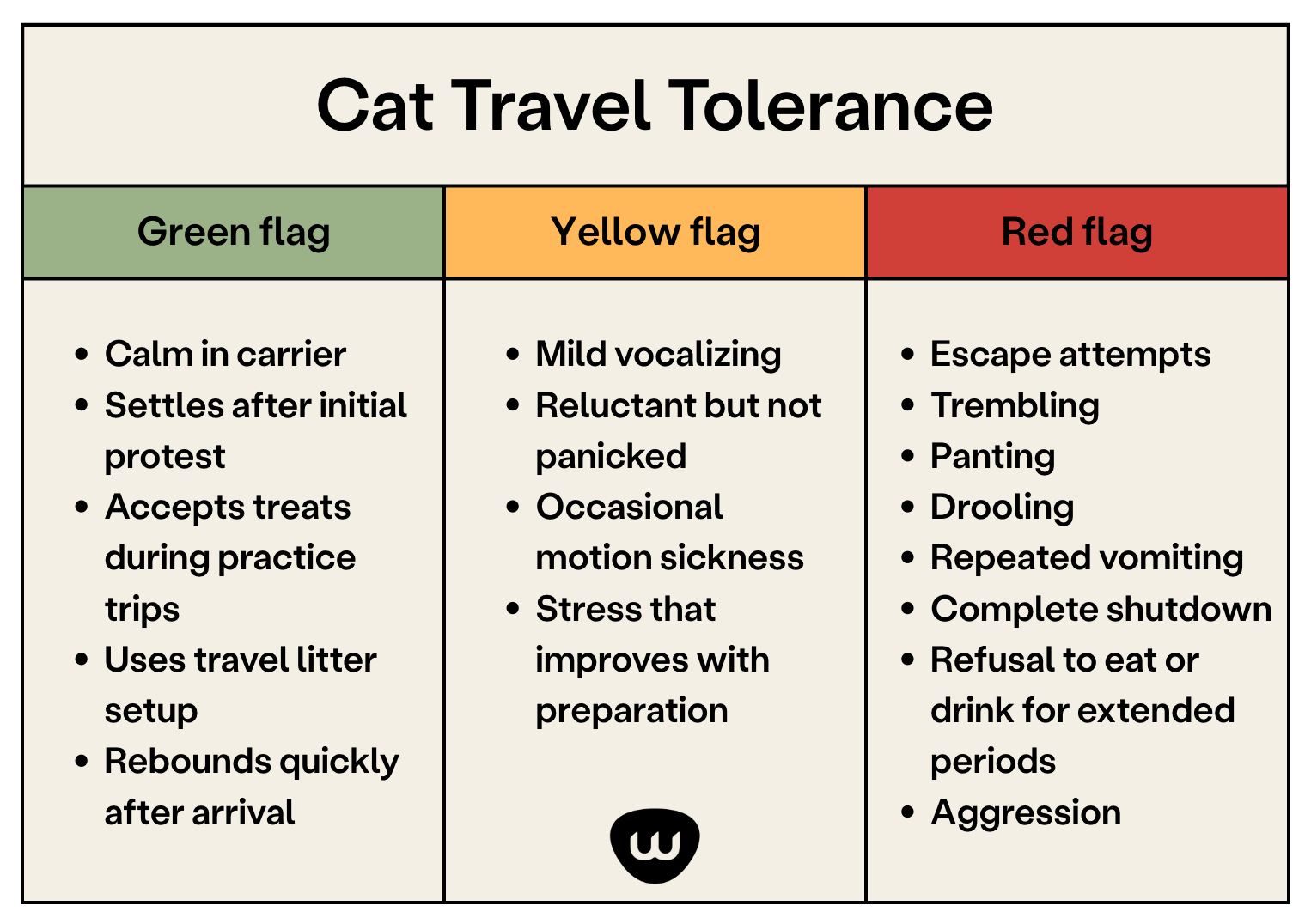
- Green flags: Calm in carrier, settles after initial protest, accepts treats during practice trips, uses travel litter setup, rebounds quickly after arrival. Green flags don't mean effortless.
- Yellow flags: Mild vocalizing, reluctant but not panicked, occasional motion sickness, stress that improves with preparation. Yellow flags mean travel may be possible with the right prep.
- Red flags: Escape attempts, trembling, panting, drooling, repeated vomiting, complete shutdown, refusal to eat or drink for extended periods, aggression. Red flags are a signal to seriously consider whether the trip is worth it for your cat.
How to test whether your cat can handle travel before the actual trip
Don't skip this step! A trial run tells you more than any checklist.
Start with carrier time at home. Leave it out, let your cat explore it on their own terms, and work up to closing the door for short periods. Hint: snacks help here! Then try sitting in a parked car. Then a 10- to 15-minute drive. Track how your cat responds and how long it takes them to return to normal afterward.
Recovery time is the real indicator. A cat who's back to eating and acting like themselves within an hour or two is a different situation than one who hides for the rest of the day. Escalate only if your cat is handling each step reasonably well.
When you're working on carrier comfort, finding the right cat carrier matters more than most people realize. And before any trip, a pre-travel vet visit is worth building into the timeline.
Factors that affect whether a cat can learn to tolerate travel
Not all cats start from the same baseline. A few things that influence travel tolerance:
Age and life stage. Kittens exposed to travel early tend to adapt more easily (ie starting at <6 months). Older cats with established routines and no travel history are harder to acclimate, though not impossible.
Personality and baseline anxiety. An already anxious or skittish cat is going to find travel harder. If your cat startles easily, hides from visitors, or tends toward stress-related symptoms at home, travel amplifies all of it.
Past exposure. A cat who has traveled before, even if it wasn't perfect,has a reference point. A cat who has never left the house is starting from zero.
Type and length of trip. A two-hour car ride is a different ask than a cross-country flight. Longer trips with layovers, multiple environments, and inconsistent schedules compound stress in ways a short drive doesn't.
Underlying health conditions. Cats with heart disease, respiratory issues, or chronic illness may be poor candidates for travel even if their temperament is otherwise calm. This is a conversation worth having with your vet before you commit to anything.
When to talk to your vet before traveling
Signs stress may be severe
If your trial runs involve panting, drooling, pooping, urinating, repeated vomiting, or complete behavioral shutdown, that's beyond normal travel reluctance. Those are signs of significant stress, and they warrant a vet conversation before you go anywhere.
Motion sickness vs. anxiety
These can look similar but have different solutions. Motion sickness tends to show up as drooling and vomiting specifically in the car, often improving when the car stops. Cat anxiety is broader – it often starts before the car moves and lingers after it stops. Distinguishing between them matters because the interventions differ.
Trialing medications or calming aids before travel day
If your vet recommends medication or a calming supplement, trial it at home first. You want to know how your cat responds before you're in an airport or three hours into a road trip. Some cats do beautifully with gabapentin or other options. Some don't respond the way you'd expect. Find out ahead of time.
How often to take your cat to the vet is a good read if you're overdue.
Travel may be the wrong goal for some cats – and that's okay
This is the part most travel guides skip. Not every cat should travel, and choosing to leave your cat home isn't a failure. For a lot of cats, it's the kindest option.
Cats who usually do better staying home
Cats who are highly routine-dependent, already anxious, elderly, or medically fragile tend to do better in their own environment with a trusted caretaker than they do accompanying you somewhere new. The stress of travel can genuinely outweigh the convenience of having them with you.
When a pet sitter is kinder than bringing them along
A good pet sitter in a familiar environment gives your cat routine, minimal disruption, and their own space. Pair that with a self-cleaning litter box and automatic pet feeder, and your cat has a consistent, clean setup even when you're not there to manage it. For many cats, that's a better week than the alternative.
Exceptions: Moves, emergencies, long relocations
Some trips aren't optional. A permanent move, a family emergency, an extended relocation – these are situations where your cat comes with you regardless of their travel temperament. In those cases, the goal shifts from "will my cat enjoy this" to "how do I get them through it as safely and comfortably as possible."
If the trip is unavoidable, how to improve the odds
Carrier acclimation
Start weeks ahead, not the night before. The carrier should be a normal piece of furniture your cat is comfortable in before travel day arrives. Leave it in the living room. Use treats to make it feel like a safe space.
Familiar scents and items
Bring something from home, like a blanket, a worn t-shirt, a familiar toy. Scent is enormously grounding for cats. It's a small thing that genuinely helps.
Travel litter setup
Use the same litter your cat uses at home. This isn't the moment to switch to a travel-specific brand. Familiar smell and texture reduce one more variable.
Practice runs
Short trips first. Build up. Don't skip this even if you're short on time.
Calm arrivals and decompression time
When you arrive, let your cat decompress in a quiet room before giving them access to a new space. Don't force interaction. Give them time to investigate on their own terms. Most cats settle faster when they're not being watched and hovered over. Also, be mindful of other animals in the space that they can be sensitive to.
For more detail on the logistics, how to travel with a cat is a practical read.
The bottom line
Some cats can learn to tolerate travel with the right preparation. Many are genuinely happier at home. Figuring out which cat you have before the trip ( not during it!) saves everyone a lot of stress.