

If you’re asking yourself, “Why is my cat hiding?”, the answer depends on whether this is normal behavior for your cat or a sudden change.
Cats naturally seek out quiet hiding spots to nap, relax, or escape stressful situations. But if your cat is hiding more than usual, especially if there have also been changes in appetite, energy, or litter box habits, it could be a sign of stress, pain, or illness.
Here’s how to tell when cat hiding is perfectly normal, when it deserves closer attention, and what you can do to help.
In this article
Why do cats hide?
Hiding is completely normal cat behavior. In the wild, cats survived by finding sheltered places where they could rest without attracting predators or competing animals. Even today’s pampered house cats still have those instincts.
Cats often hide because they:
- Feel safest in enclosed spaces
- Want uninterrupted sleep
- Need a break from people or other pets
- Feel startled by unfamiliar activity
- Prefer warm, dark, quiet environments
That’s why common hiding places include:
- Under the bed
- Inside closets
- Behind furniture
- Inside boxes
- Covered cat beds
- High shelves or enclosed cubbies
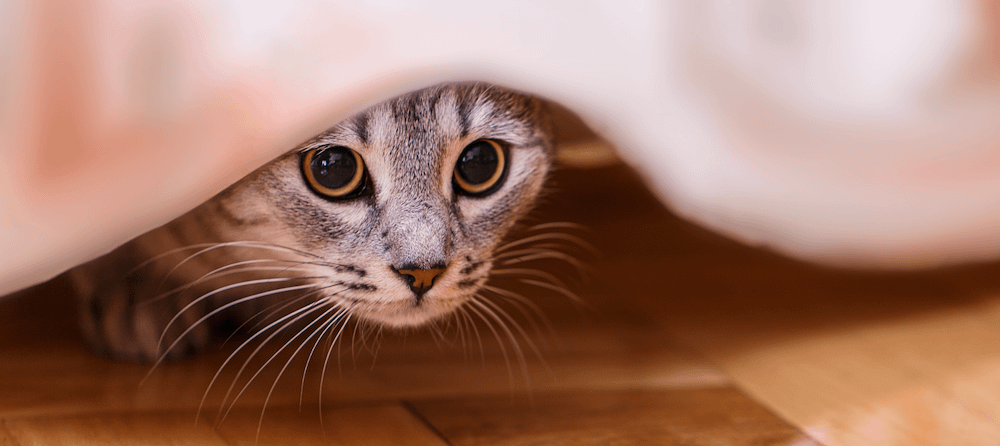
The space under your bed is dark, enclosed, quiet, and difficult for other animals or people to access. From your cat’s perspective, it’s the perfect safe room. Many cats retreat there during thunderstorms, fireworks, parties, home renovations, or whenever they simply want uninterrupted rest.
Occasional cat hiding under bed behavior isn’t usually a cause for concern. The important question is whether it’s new, excessive, or accompanied by any other changes.
Normal cat hiding vs. hiding that needs attention
|
What you notice |
Most likely explanation |
What to do |
|
Hiding during naps or when guests visit |
Normal cautious behavior |
Give your cat space and let them come out on their own |
|
Hiding for a few hours after fireworks or loud noises |
Temporary stress or startle response |
Keep the home quiet and monitor them |
|
Cat hiding under bed after moving or bringing home a new pet |
Environmental stress |
Maintain routines and provide multiple safe hiding places |
|
Hiding plus refusing food or water |
Possible illness or pain |
Contact your veterinarian promptly |
|
Hiding with vomiting, diarrhea, or litter box changes |
Medical concern |
Schedule a veterinary exam as soon as possible |
|
Hiding with a hunched posture or difficulty jumping |
Pain or injury |
Have your cat evaluated by a veterinarian |
|
Indoor cat suddenly "missing" and hiding for over 24 hours with other symptoms |
Red flag |
Seek veterinary guidance immediately |
Why is my cat hiding all of a sudden?
A sudden increase in hiding deserves closer attention. If your cat normally spends time with the family but is now disappearing for hours or days, something in their environment or health might have changed.
Stress and fear
Cats often respond to stress by becoming less visible. Possible stressors include:
- Thunderstorms
- Fireworks
- Construction noise
- Vacuum cleaners
- Visitors
- Holiday gatherings
Some cats return to normal within hours, while others may need several days to feel comfortable again.
Changes in the home
Cats thrive on routine. Even positive changes can temporarily cause your cat to hide, such as:
- Moving to a new home
- Rearranging furniture
- Bringing home a baby
- House guests
- New smells
- Renovations
Giving your cat predictable feeding times and quiet spaces to retreat can help them adjust.
New pets or conflict with another cat
Even subtle tension between pets can cause one cat to hide more often. Watch for:
- Blocking access to food or litter boxes
- Chasing
- Staring
- Swatting
- Competition over favorite resting spots
Cats may simply hide to avoid uncomfortable interactions.
Pain or illness
Sometimes the answer to “Why is my cat hiding all of a sudden?” is a medical problem. Cats instinctively conceal illness, making hiding one of the earliest signs that something isn’t right.
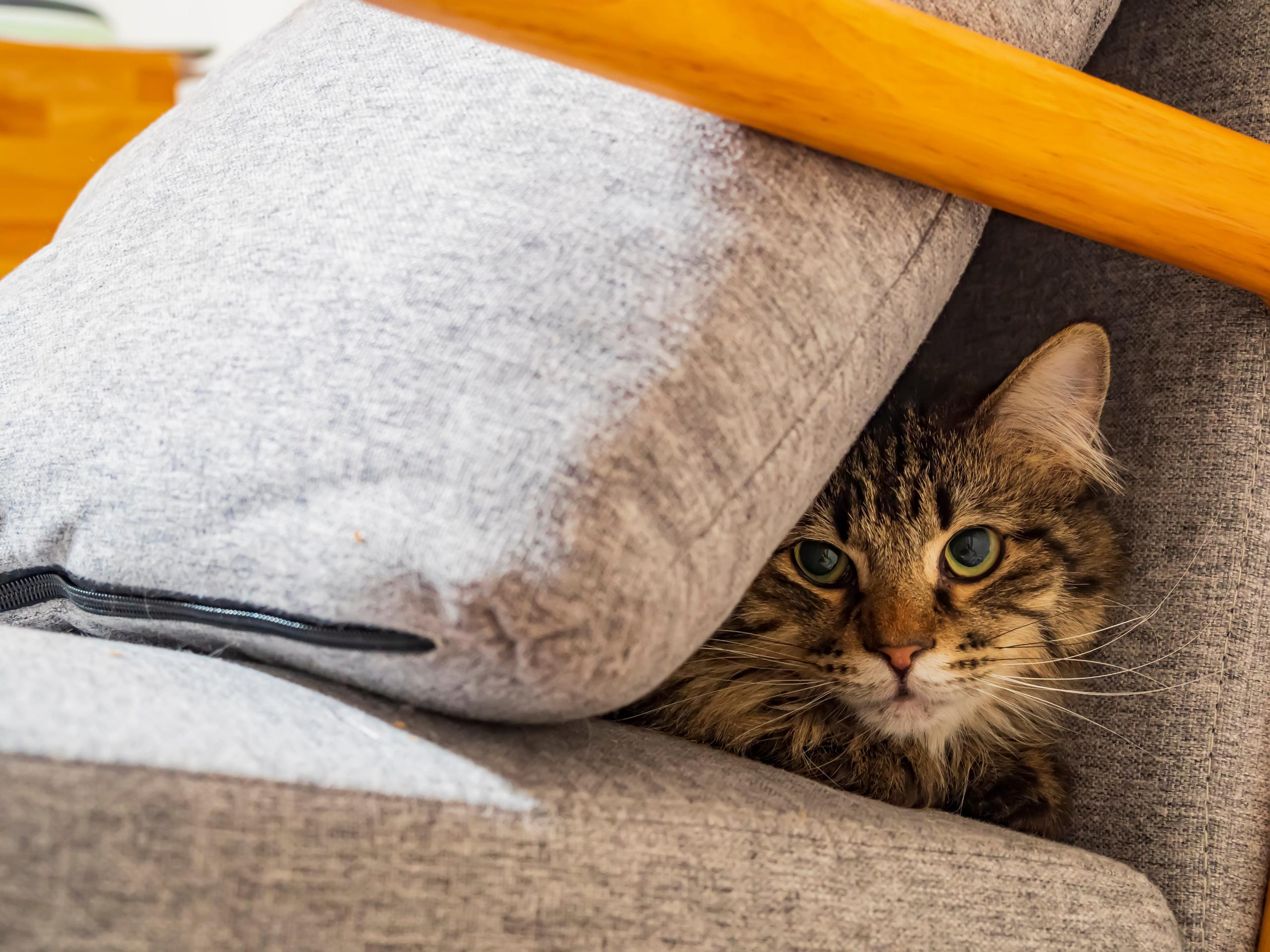
Why is my cat hiding under the bed?
Finding your cat under the bed isn’t automatically a reason to worry.
When under-the-bed hiding is harmless
It’s usually normal if your cat:
- Sleeps there occasionally
- Comes out for meals
- Uses the litter box normally
- Plays as usual
- Greets family members
- Returns to favorite resting spots throughout the day
Many cats simply enjoy having a quiet retreat.
When under-the-bed hiding is new or excessive
Take a closer look if your cat:
- Suddenly spends most of the day under the bed
- Won't come out for meals
- Avoids interacting with the family
- Seems frightened without an obvious reason
- Refuses treats or play
These changes suggest your cat may be experiencing pain, stress, or illness.
What else to check
Along with the hiding behavior, pay attention to:
- Appetite
- Water intake
- Litter box habits
- Energy level
- Grooming
- Body posture
- Mobility
These clues can provide a clearer picture than hiding alone.
Signs something is wrong
Hiding becomes more concerning when it’s accompanied by other symptoms. Watch for:
- Not eating or drinking
- Vomiting
- Diarrhea
- Constipation
- Changes in urination
- Litter box avoidance
- Weight loss
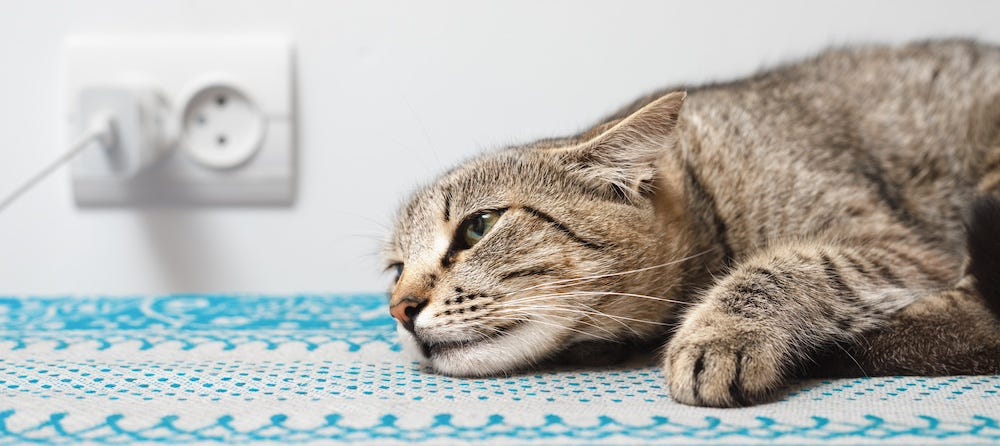
- Lethargy
- Personality changes
- Difficulty walking or jumping
- Hunched posture
- Labored breathing
- Crying or vocalizing
The more symptoms your cat has, the more important it is to contact your vet.
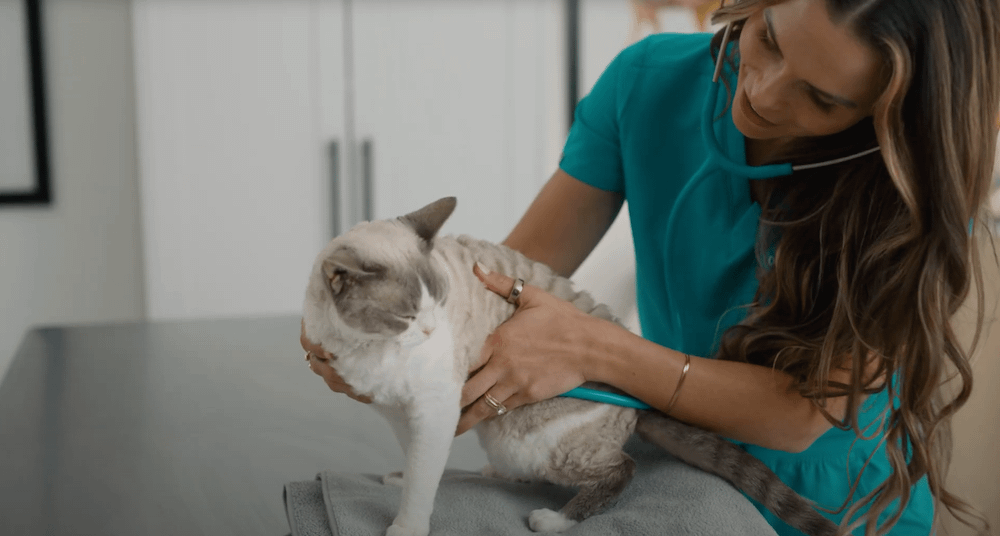
When to call the vet
Schedule a same-day vet visit if your cat:
- Suddenly begins hiding and won't come out
- Refuses food for more than 24 hours
- Shows vomiting or diarrhea alongside hiding
- Appears painful or uncomfortable
- Stops using the litter box normally
- Is hiding much more than usual without an obvious cause
Seek emergency care if your cat has difficulty breathing, collapses, can’t urinate, experiences repeated vomiting, or appears severely distressed.
Before your appointment, try to note:
- When the hiding started
- Any recent household changes
- Eating and drinking habits
- Litter box changes
- Vomiting or diarrhea
- Current medications
- Exposure to toxins or injuries
These details can help your vet narrow down possible causes more quickly.
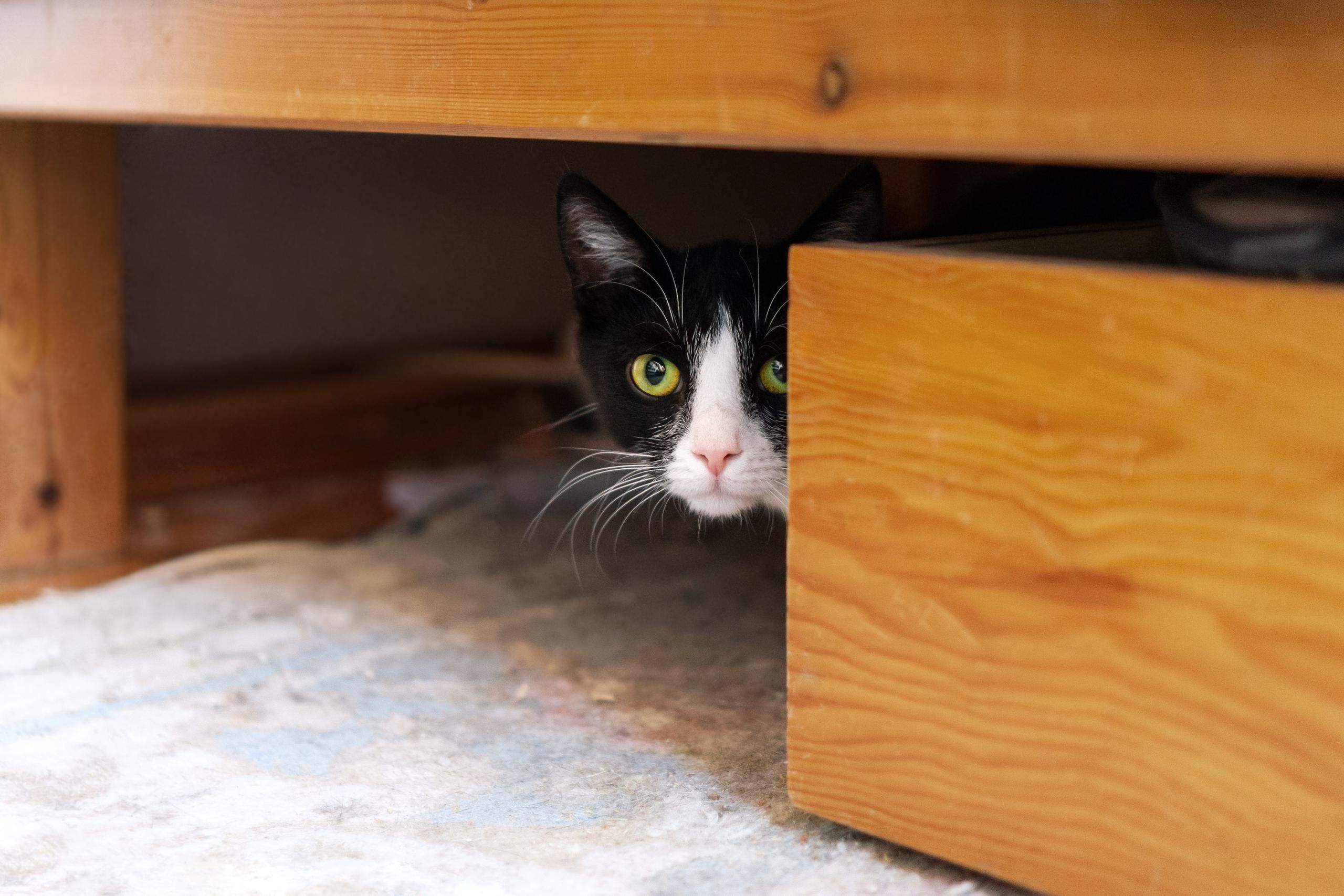
How to get a cat out of hiding
If you’re wondering how to get a cat out of hiding, the answer is usually not to force them.
Pulling a frightened cat from a hiding place often makes stress worse and makes them less likely to trust you the next time they’re scared.
Instead:
- Keep the room quiet
- Speak softly
- Leave food and fresh water nearby
- Offer favorite treats
- Use familiar bedding or blankets
- Stick to normal feeding routines
- Allow your cat to emerge on their own
Many cats feel confident enough to come out once they realize the environment is calm again. If you absolutely must move your cat, like during an emergency, do so as gently and calmly as possible. Patience is often the fastest way to rebuild confidence.
Do cats hide when they are dying?
Yes, some cats withdraw and seek secluded places near the end of life. This behavior likely reflects their instinct to protect themselves when they’re feeling vulnerable.
However, hiding alone doesn’t mean your cat is dying. Many perfectly healthy cats hide every day for naps or quiet time.
More concerning signs include hiding along with:
- Little or no appetite
- Refusing water
- Severe weakness
- Weight loss
- Poor grooming
- Difficulty walking
- Changes in breathing
- Incontinence
- Obvious pain
- Little interest in family members or favorite activities
If your cat is hiding and showing several of these symptoms, contact your vet quickly to discuss their condition and next steps.
The bottom line on cat hiding
Cats hide because it’s part of their natural survival instinct. Most of the time, cat hiding is simply your pet looking for a quiet, comfortable place to rest or feel secure.
The important distinction is whether the behavior has changed. Look for other clues like changes in appetite, litter box habits, energy, or posture. Those additional signs can help you determine whether your cat is simply stressed or whether it’s time for a vet visit.
When in doubt, let your cat have their safe space, monitor them closely, and don’t hesitate to call your vet if the hiding is sudden, prolonged, or accompanied by other symptoms.